







The Great Economic Rebalancing
India's economic narrative is no longer solely dominated by Mumbai, Delhi, and Bengaluru. A significant rebalancing is taking place, with cities like Jaipur, Lucknow, Coimbatore, and Indore emerging as dynamic centres of commerce and consumption. For
years, businesses focused on the saturated metro markets, but the landscape in 2026 shows that the most exciting growth is happening elsewhere. This isn't just about decentralisation; it's about the birth of a new, more distributed economic model. Companies are drawn to these locations by lower operational costs, a better quality of life for employees, and access to a growing pool of local talent. This shift is reducing the immense pressure on metropolitan hubs and fostering more balanced regional development across the nation.
Digital Connectivity as the Engine
The single biggest catalyst for this transformation has been the digital revolution. The widespread availability of affordable smartphones and high-speed internet has effectively democratised access to everything from e-commerce to education. Digital payment platforms, especially the Unified Payments Interface (UPI), have been a game-changer, building confidence and enabling seamless transactions for millions of first-time digital users. Reports show that over 60% of all e-commerce transactions now originate from Tier-2 and Tier-3 cities, a clear indicator of where the new consumer base lies. This digital awakening has created new channels for businesses to engage with a previously untapped audience, fueling demand for fashion, electronics, and lifestyle products that were once the preserve of metro dwellers.
A Boom in Housing and Aspirations
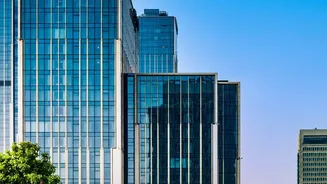
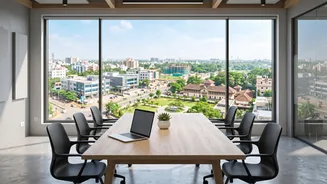
Nowhere is this rising demand more visible than in the real estate sector. A recent report from CII and Knight Frank India highlighted that residential property prices in 11 key Tier-2 cities grew by 63% over the last five years, significantly outpacing the 42% growth seen in the top eight metro cities. Cities like Goa, Lucknow, Jaipur, and Coimbatore are witnessing a surge in demand for quality housing. This boom is driven by a combination of factors: rising disposable incomes, the flexibility of remote work models that allow professionals to move back to their hometowns, and a growing desire for a better quality of life with less congestion and pollution. The demand extends beyond housing to commercial real estate, with warehousing and organised retail footprints expanding rapidly to service this new consumer base.
The New Indian Consumer
This economic shift has given rise to a new class of aspirational consumers. No longer just a market for entry-level goods, smaller cities are now driving sales for branded apparel, automobiles, and even luxury items. Consumers in these cities are spending more on international travel and overseas education, reflecting a significant increase in purchasing power and global exposure. This change in behaviour is forcing brands to rethink their strategies, moving from a metro-centric approach to a more localised one that caters to regional tastes and preferences. The growth is so significant that some reports project that by 2030, non-metro cities will contribute a substantial portion of India's overall economic output.
Infrastructure and the Path Forward
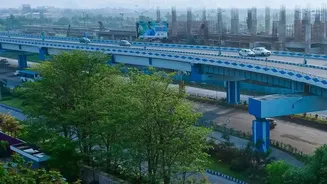
This rapid growth is underpinned by a massive government-led push in infrastructure development. The construction of new highways, airports under the UDAN scheme, and improved railway connectivity are integrating these smaller cities into the national economic mainstream. Government initiatives like the Urban Challenge Fund aim to further unlock investment in these areas. However, this expansion is not without challenges. To ensure this growth is sustainable, planning must stay ahead of demand to avoid the congestion and infrastructure strain that plagues the current metros. The key will be to build complete ecosystems—combining industrial clusters with robust urban services—to ensure these emerging hubs can support long-term, resilient economic activity.