

The Science of Soggy: Why Crispiness Fades
To understand how to keep food crispy, we first need to understand why it gets soggy. When you drop food into hot oil, the intense heat rapidly boils and drives out moisture from the surface, creating a dry, rigid crust. This is what we perceive as 'crisp'.
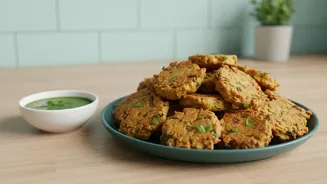
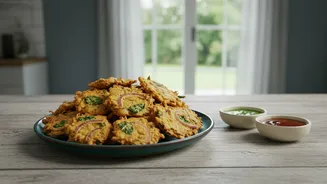
However, the inside of the food remains moist. Once you remove the food from the fryer, that internal moisture doesn't just disappear. It turns into steam, which wants to escape. If that steam gets trapped, it condenses back into water droplets, and those droplets are the enemy of a crunchy crust. They settle on the surface, making your perfectly fried pakoras or samosas disappointingly soft.
The Paper Towel Myth
For generations, the go-to move for home cooks has been to transfer freshly fried food directly onto a plate lined with paper towels. The logic seems sound: the paper will absorb all that excess surface oil. While it does soak up some grease, it creates a much bigger problem. By laying the food on a flat, absorbent surface, you are trapping steam directly underneath it. The bottom of your fried chicken or bhaji now sits in a pocket of its own self-generated moisture. The paper towel becomes saturated with both oil and water, steaming the crust from below and turning it limp. This method actively works against the crispiness you worked so hard to create.
The Wire Rack: Your Secret Weapon
The solution is simple and used by professional kitchens everywhere: a wire rack. By placing your fried items on a wire cooling rack set over a baking sheet, you allow air to circulate freely around the entire surface of the food. This critical airflow wicks away the escaping steam, preventing it from condensing on the crust. The excess oil drips down onto the sheet below, leaving the surface dry and crunchy. There's no contact with a soggy surface and no trapped steam. This single, simple step is the most effective way to preserve that satisfying crunch long after the food has left the oil.
Tips for Perfect, Lasting Crunch
Beyond the cooling rack, a few other techniques can help you achieve maximum crispiness. First, ensure your oil is at the correct temperature, typically between 160°C and 190°C. Oil that's too cool will lead to greasy, oil-logged food. Also, avoid overcrowding the fryer. Frying in small batches keeps the oil temperature stable, ensuring each piece cooks evenly and crisps up properly. If you're frying multiple batches, you can place the wire rack with the already-cooked food into a warm oven (around 95°C) to keep everything hot and crisp until you're ready to serve.
Reheating for a Second Chance at Crisp
What about leftovers? The worst way to reheat fried food is in the microwave. It essentially steams the food from the inside out, guaranteeing a soggy result. The best method is to use an oven or an air fryer. Preheat your oven to around 200°C and place the food on a wire rack. Heat for a few minutes until it's warmed through and the exterior has crisped up again. This method helps to drive off any moisture that the crust may have absorbed during storage. If you plan to freeze fried foods, ensure they are completely cool before packing them tightly. The freezer is a dry environment, which is better for crispiness than the humid fridge.