

A Village That Sells the Stars
Deep within the Surgana taluka of Nashik district, the remote tribal hamlet of Udmale is challenging the very definition of a tourist attraction. There are no grand monuments, bustling markets, or sprawling resorts here. Instead, visitors come for what
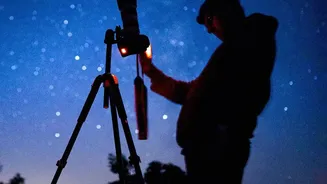
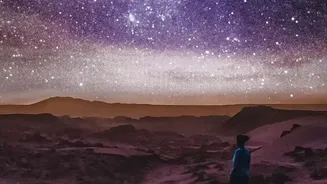
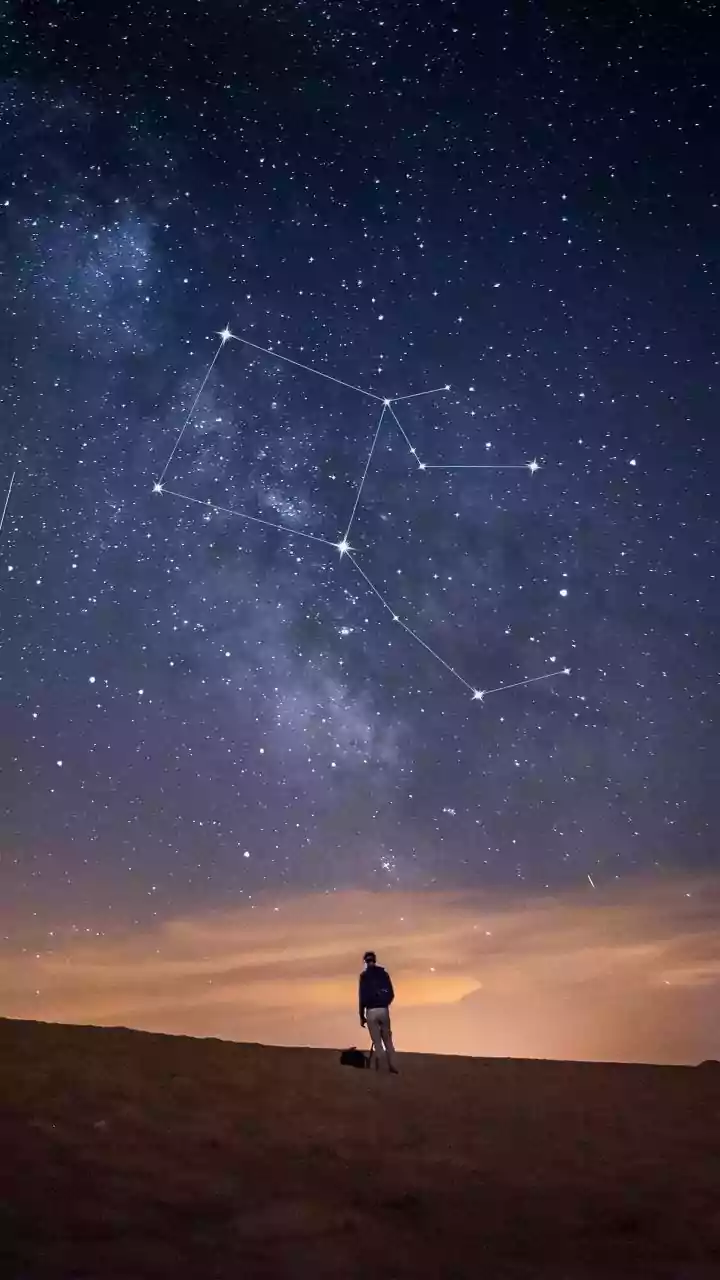
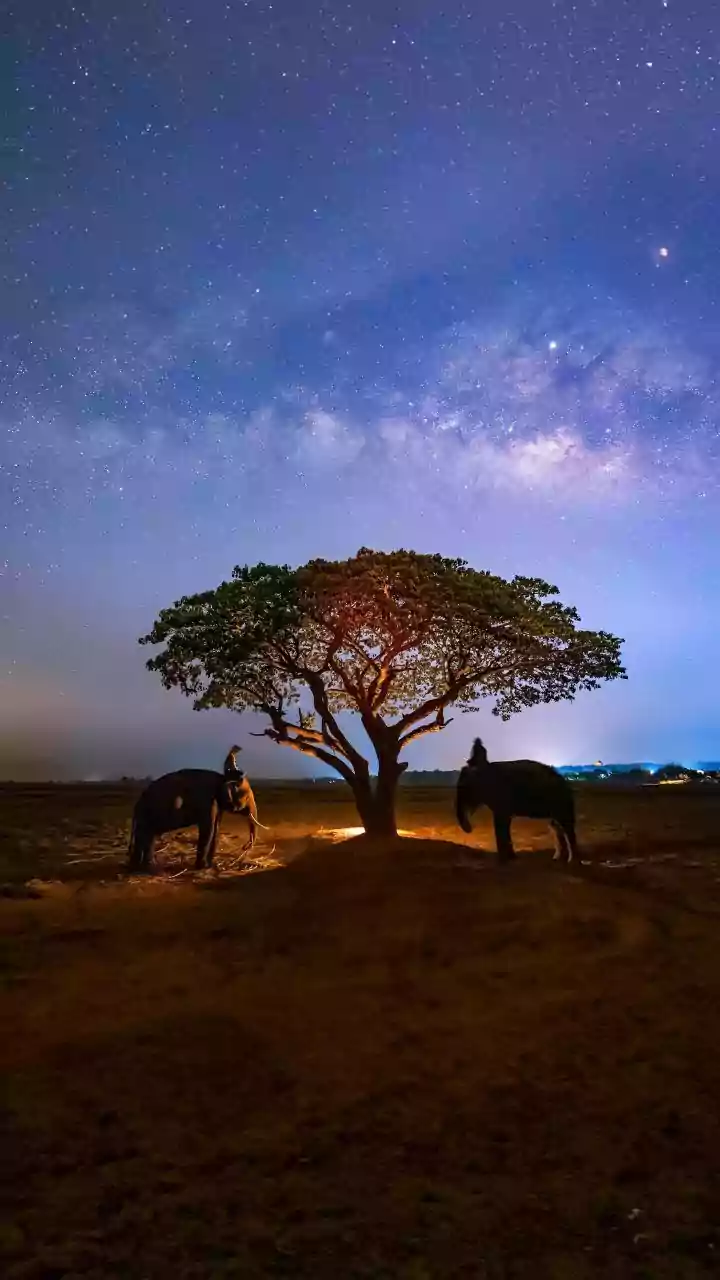
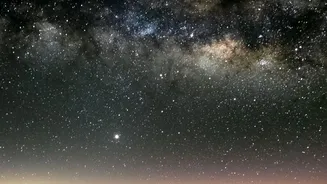
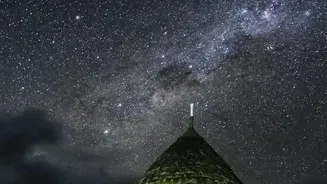
the village has in abundance: darkness. Thanks to its remote location and minimal light pollution, Udmale offers a breathtaking view of the cosmos. On clear, moonless nights, the Milky Way arches across the sky in a spectacle that most urban dwellers have never witnessed. This natural asset, once a simple fact of life for the Kokna tribal community, is now the foundation of an innovative tourism venture that is putting the village on the national map.
The Spark of an Idea
The journey to becoming an astro-tourism destination began with a powerful realization: what many consider a sign of underdevelopment—the lack of bright, pervasive artificial light—could be a unique strength. The idea was to transform this pristine darkness into an economic opportunity. The concept gained formal traction when the Udmale Gram Sabha passed a landmark resolution under the Panchayats (Extension to Scheduled Areas) Act to actively conserve the village's dark skies. This was not a move to reject development, but to pursue it on their own terms. The message, as officials noted, was 'not less light, but wiser light'. The community committed to adopting scientifically planned, responsible outdoor lighting that minimizes glare and protects the celestial view. This community-led decision laid the groundwork for becoming what is poised to be Maharashtra's first certified 'Dark Sky Community'.
Community at the Core
This initiative is fundamentally a story of community empowerment. The project, implemented with support from the district administration and NGOs like Astronera, places the tribal residents at its center. The Nashik district administration sanctioned ₹42.1 lakh under the District Annual Tribal Sub-Plan to fund the initiative. This funding supports crucial steps like assessing the night-sky quality, installing responsible lighting, and, most importantly, training local youth. Members of the community are being equipped with the technical skills to manage the tourism venture, from guiding stargazing sessions to explaining the constellations. This ensures that the economic benefits flow directly back into the village, creating sustainable livelihoods that are in harmony with their environment and culture. The 232 villagers of Udmale have collectively embraced the vision of a future where tourism creates opportunities without compromising their land or heritage.
An Economy Built on Stars
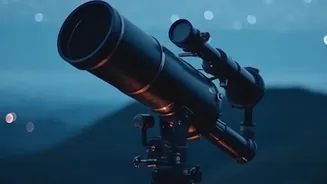
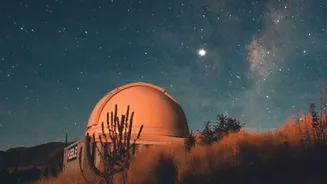
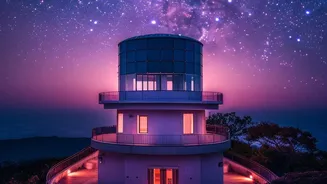
The astro-tourism model in Udmale is holistic. It goes beyond just setting up telescopes. The plan includes the development of eco-friendly stays, interpretation centers, and viewing stations. Visitors get a complete cultural experience, enjoying local tribal cuisine and learning about the community's way of life, all under a canopy of billions of stars. For tourists weary of crowded destinations, Udmale offers an authentic escape. It attracts a specific, dedicated crowd: photographers chasing the perfect shot of the Milky Way, families wanting to show their children a truly starry night, and anyone seeking a moment of cosmic wonder. This low-impact, high-value form of tourism generates income for the local community while preserving the very asset—the darkness—that makes the experience possible.
A Blueprint for the Future
Udmale's success is being watched closely as a potential model for other rural and tribal areas across India. It demonstrates that economic development does not have to come at the cost of environmental and cultural integrity. By leveraging a unique natural feature, the village has created a new narrative for itself, one of innovation, self-reliance, and sustainability. The Maharashtra government has already identified astro-tourism as a key policy area, with Udmale being one of 11 sites marked for development. The project also serves an important educational purpose, aiming to spark interest in astronomy and science among local students and visitors alike. It is a powerful reminder that sometimes, the greatest assets are not those that are built, but those that are preserved.