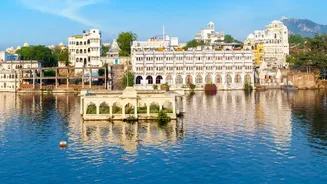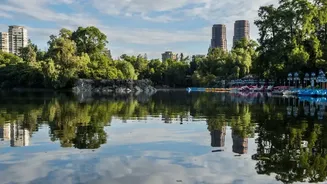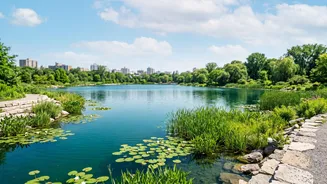







Once neglected and polluted, urban lakes across India are being reborn. This revival is not just a government mandate; it is a powerful movement gaining momentum, fueled by a unique partnership between passionate citizens and forward-thinking local authorities.
More Than Just a Pretty View
For decades, many of India’s urban lakes were treated as little more than dumping grounds for sewage and solid waste, leading to severe pollution and encroachment. However, a growing understanding of their ecological importance is shifting this perspective. Restored lakes are crucial for urban water security, acting as natural sponges that absorb excess rainwater during monsoons to prevent flooding and recharge groundwater aquifers. In cities like Bengaluru and Chennai, where groundwater is a primary source of drinking water, healthy lakes are a critical defence against water scarcity. Furthermore, these revived water bodies play a vital role in combating the urban heat island effect, moderating city temperatures and making them more liveable. The return of biodiversity, from native fish to migratory birds, is another key driver, signaling a restored ecological balance.
The Power of People
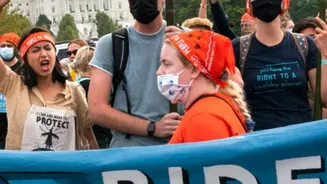
A significant force behind this movement is the active and organised involvement of local residents. Citizen groups across the country have become the 'first responders' and 'watchdogs' for their local lakes, raising alarms about illegal encroachments and pollution. In cities like Bengaluru, programs such as 'Kere Mitra' (Friend of the Lake) formalise this by involving citizen volunteers in the monitoring and upkeep of lakes. This community participation fosters a powerful sense of ownership, which experts believe is crucial for the long-term sustainability of restoration projects. When residents are directly involved, lakes transform from neglected patches of water into vibrant community hubs, used for recreation, social gatherings, and exercise, which in turn improves public well-being and social cohesion.
A Ripple Effect on Health and Wealth
The benefits of lake restoration extend far beyond the shoreline, creating tangible economic and health advantages. Revived lakes often lead to an increase in surrounding property values and can spur local economies by creating new opportunities for eco-tourism, boating, and food stalls. In Hyderabad, the government is even exploring the concept of 'lake economies' centred around these restored water bodies. Restoring a lake also means reviving traditional livelihoods for communities like fisherfolk, who depend on healthy aquatic ecosystems. From a public health perspective, access to clean, green, and blue spaces has a direct positive impact on mental and physical well-being, providing serene environments for relaxation and activity away from the urban hustle.
A New Wave of Urban Governance
Local and national authorities are increasingly recognizing these multi-faceted benefits and are shifting their approach. Instead of topdown mandates, many government bodies are now collaborating with citizen groups, NGOs, and corporations. This partnership model has proven highly effective. Government schemes like the National Lake Conservation Plan (NLCP), AMRUT 2.0, and Mission Amrit Sarovar are providing the framework and funding for these efforts. The success of projects in cities like Coimbatore under the Smart Cities Mission and the citizenled revival of Kaikondrahalli and Jakkur lakes in Bengaluru have created replicable models. This collaborative governance, which combines public funds, corporate social responsibility (CSR) capital, and community expertise, is proving to be the most effective strategy for sustainable revival.
Challenges on the Path to Revival
Despite the growing momentum, the path to restoring India's urban lakes is not without obstacles. Ongoing pollution from untreated sewage and industrial effluents remains a primary challenge, as stopping these inflows is a complex and costly task. Illegal encroachment for real estate development continues to threaten lake boundaries, requiring constant vigilance and strong legal action. Furthermore, ensuring the long term maintenance and funding for these projects after the initial rejuvenation is complete can be difficult. The success of these programs often hinges on the sustained cooperation between government agencies and local communities, which can be challenging to maintain. Addressing these issues requires a holistic approach that integrates waste management, urban planning, and continuous community engagement.