




The Allure of the Wild Harvest
Foraging, the practice of gathering edible wild plants, is experiencing a resurgence. In India, this isn't a new trend but a timeless practice rooted in traditional food systems and Ayurveda. For generations, communities have supplemented their diets
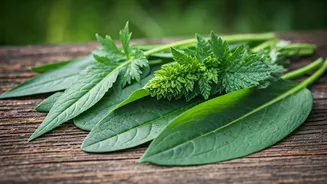
with greens that grow freely in backyards, grasslands, and forests. People are drawn to foraging for many reasons. It’s a chance to reconnect with nature, to understand the seasons, and to add unique flavours and potent nutrients to your diet that you won't find in a supermarket. Wild greens like amaranth (chaulai), purslane (kulfa), and stinging nettle (bichu buti) are packed with nutrition and have been part of regional cuisines for centuries. The act of finding and preparing these plants is meditative and empowering, offering a taste of sustainability and self-reliance.
The Unmistakable Risk of Look-Alikes
The single most important rule in foraging is simple: if you are not 100% certain of a plant's identity, do not eat it. Many delicious and safe wild edibles have dangerous twins—poisonous plants that look strikingly similar. For example, edible wild carrot (Queen Anne's Lace) has a deadly doppelgänger in poison hemlock. Both have feathery leaves and clusters of small white flowers, but hemlock is fatally toxic. Similarly, the leaves of wild garlic can be confused with those of the toxic lily of the valley before they flower. A simple mistake can lead to severe illness, organ damage, or worse. This isn't meant to scare you away, but to instil a deep respect for the knowledge required. The thrill of the find can never outweigh the risk of a misidentification.
How to Begin Your Foraging Journey Safely
Your foraging adventure should start with learning, not picking. Begin by focusing on one or two common, easily identifiable plants in your area, like dandelions or amaranth. Invest in a good regional field guide with clear pictures and descriptions of Indian wild plants. Better yet, find a local expert or join a foraging workshop. Hands-on learning is invaluable. As you learn, use plant identification apps like PlantNet or PictureThis as a helpful starting point, but never rely on them completely for confirmation. An app's suggestion should always be cross-referenced with your field guide and, ideally, an expert's opinion. Keep a journal with notes and sketches to track plants through the seasons and solidify your knowledge.
The Golden Rules of Ethical Foraging
Responsible foraging ensures that plant populations remain healthy for years to come. First, understand the local rules and always ask for permission before foraging on private land. Avoid protected areas like nature reserves. A core ethical guideline is to harvest sustainably. A common rule is to take no more than one-third of the plants you find in a patch, leaving plenty for wildlife and for the plants to regenerate. Whenever possible, harvest only leaves, flowers, or seeds, and avoid uprooting the entire plant. Be mindful of your surroundings; avoid harvesting from roadsides, industrial areas, or anywhere that might be contaminated with pesticides or pollutants. Finally, leave the area as you found it, treading lightly and respecting the ecosystem you are a guest in.