






From Avoidance to Adaptation
For decades, the conventional wisdom for travel in India was simple: avoid the monsoon season. The months from June to September were seen as a dead zone for tourism, marked by unpredictable downpours, potential flooding, and disrupted transport. But
that mindset is rapidly changing. Instead of cancelling trips, a growing number of Indian travellers are adapting. Online travel agencies report a significant surge in bookings for monsoon travel, with searches for destinations known for their rainy-season beauty hitting all-time highs. This isn't about ignoring the weather; it's about working with it. The new approach is strategic, flexible, and tech-enabled, turning a potential obstacle into the main event.
Your Digital Raincoat
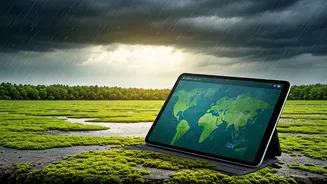
The single biggest driver of this trend is the smartphone in your pocket. Basic weather forecasts have been replaced by a sophisticated toolkit of digital aids that offer hyper-local, real-time information. Travellers are no longer just checking if it will rain tomorrow; they are using apps with minute-by-minute precipitation maps to see exactly when a rain band will pass over their hotel. Apps like AccuWeather, The Weather Channel, and Skymet Weather provide detailed radar views, wind speed data, and even 'real feel' temperatures. This granular level of detail empowers travellers to plan their day with unprecedented precision—scheduling a trek during a dry window of a few hours or knowing to book an indoor activity when a heavy spell is forecast for the afternoon.
The Rise of Flexible Planning
This technological empowerment has led to a major shift in booking behaviour. The era of planning a detailed, rigid itinerary months in advance is giving way to more spontaneous, flexible travel. Many are now booking trips just days or even hours ahead, capitalising on favourable short-term weather forecasts. This has also put pressure on the hospitality industry to adapt, with travellers actively seeking hotels and homestays that offer flexible cancellation or rescheduling policies. The modern monsoon itinerary is less of a fixed script and more of a flexible framework, with backup plans for indoor activities like spa sessions, cooking classes, or museum visits ready to be deployed when the heavens open.
Destinations That Shine in the Rain
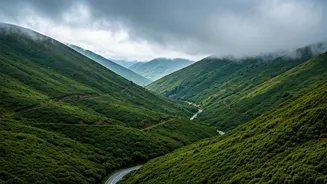
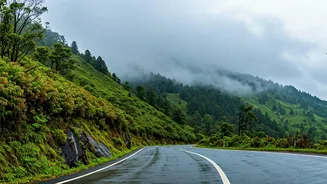
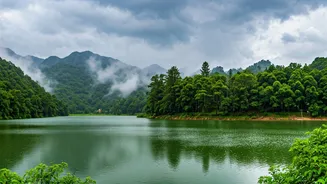
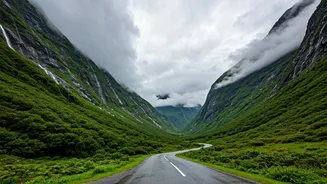
Instead of flocking to dry regions, smart travellers are heading directly to places that come alive during the monsoon. The focus has shifted to destinations where the rain enhances the landscape. Think of the misty, emerald-green hills of Lonavala and Mahabaleshwar in Maharashtra, the lush tea plantations of Munnar in Kerala, or the dramatic, cloud-covered vistas of Coorg in Karnataka. The waterfalls of the Goan hinterland, often a trickle in the dry season, become roaring spectacles that are destinations in themselves. Even states like Rajasthan, typically associated with arid landscapes, are seeing a rise in monsoon visitors who come to see its lakes fill and its cities, like Udaipur and Bundi, reflect a fresher, greener version of themselves.
Tips for the Smart Monsoon Traveller
Ready to plan your own rainy-day adventure? Keep these tips in mind. First, pack smart: prioritise quick-dry clothing, a reliable waterproof jacket, and non-slip footwear. A dry bag for your electronics is non-negotiable. Second, travel safer: if driving, be aware of landslide-prone areas, check road conditions before you leave, and avoid crossing swollen streams. Add buffer time to your travel schedule for potential delays. Third, stay healthy: carry mosquito repellent and be mindful of water-borne illnesses by drinking only bottled or boiled water. Finally, book accommodations wisely. Look for properties with good reviews for cleanliness and maintenance, and check if they offer amenities like power backup, which can be crucial during storms.