








An Unseen Contaminant
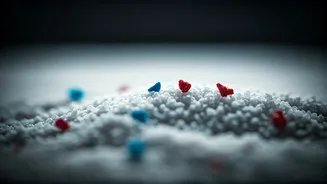
Microplastics are tiny plastic fragments, fibres, and particles less than five millimetres in size. They are not a single type of plastic but come from a vast range of sources, including the breakdown of larger plastic waste like bottles and bags, synthetic
fibres from clothing shed during washing, and microbeads from personal care products. Due to their minuscule size, they easily spread through the environment, contaminating our oceans, soil, and air. This widespread contamination means they can inevitably find their way into the food chain, and as research shows, into essential staples like salt. India, being one of the world's largest salt producers, sources much of its salt from seawater, making it a direct indicator of marine plastic pollution.
The Evidence in Indian Salt
Several studies have confirmed the presence of microplastics in commercially available salt in India. A pioneering study by IIT Bombay in 2018 analysed popular salt brands and found microplastics in all tested samples. The study identified both fragments (63%) and fibres (37%) of plastics. The researchers detected 626 particles in their samples, calculating an average of about 63 micrograms of microplastic per kilogram of salt. Subsequent research has reinforced these findings. A 2020 study looking at salts from Tamil Nadu and Gujarat found that sea salt contained significantly more microplastics (35-72 particles/kg) than salt from borewell water (2-29 particles/kg), highlighting the role of polluted seawater. More recently, a 2024 study by Toxics Link reported finding microplastics in all 10 salt brands they tested, with concentrations ranging from around 7 to 89 pieces per kilogram. The most common types of plastics found include polyethylene terephthalate (PET), often used in bottles, and polyamide, which is used in fishing nets and industrial fabrics.
Is Any Salt Safer?
The source of the salt appears to play a crucial role in the level of contamination. Studies consistently show that sea salt tends to have higher concentrations of microplastics due to the vast amount of plastic waste in our oceans. In contrast, salts derived from terrestrial sources like rock salt or borewell water generally show lower, though not zero, levels of contamination. For example, the 2024 Toxics Link study found the highest concentration of microplastics in iodised salt (likely from a marine source) and the lowest in organic rock salt. However, contamination can also occur during the manufacturing and packaging processes, meaning no salt can be guaranteed to be completely free of microplastics.
What Are the Health Risks?
This is the critical question, and the scientific community is still working on a definitive answer. The concern is twofold: the physical presence of the plastic particles and the chemical toxins they carry. Microplastics are known to absorb harmful pollutants from the environment. When ingested, these particles could potentially cause damage to the gut or release toxic additives into the body. Animal studies have shown that microplastic ingestion can lead to intestinal inflammation, oxidative stress, and metabolic disturbances. However, the direct impact on human health from the levels currently consumed through salt is not yet well understood, and researchers caution that more comprehensive studies are needed. An Indian adult, consuming a recommended 5 grams of salt per day, could be ingesting around 117 micrograms of microplastic annually from this source alone, according to the IIT Bombay study's estimates.
Beyond the Salt Shaker
While the presence of microplastics in salt is concerning, it's a symptom of a much larger global problem of plastic pollution. These particles are not just in our salt; they are in our water, beer, seafood, and even the air we breathe. Therefore, focusing solely on avoiding contaminated salt misses the bigger picture. Reducing exposure requires a broader approach. This includes minimizing the use of single-use plastics, choosing natural fibres over synthetic ones, and being mindful of food packaging. Using glass or stainless steel food containers, avoiding heating food in plastic, and opting for wooden cutting boards can also help reduce overall microplastic intake. The ultimate solution lies in tackling plastic pollution at its source, through better waste management, corporate responsibility, and global policies aimed at reducing plastic production.