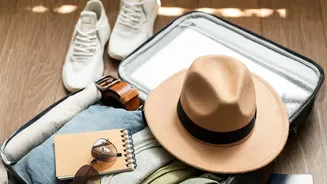





Choose Your Gear Wisely
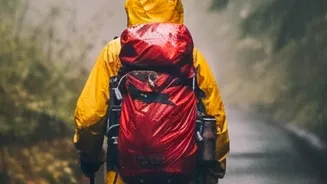
The secret to light packing begins before you even touch your suitcase. Instead of your heaviest winter-style raincoat, opt for a modern, lightweight, and packable waterproof jacket. Many high-quality rain shells can be rolled into their own hood or a small
pouch, drastically reducing their footprint. For footwear, consider if you truly need heavy, rigid rain boots. Unless you're expecting serious flooding or trekking through mud, waterproof hiking shoes or even stylish waterproof sneakers can offer enough protection for city travel and are far easier to pack. If boots are a must, look for flexible, packable models made from materials like foldable rubber.
Wear Your Heaviest Items
This is the oldest trick in the carry-on traveller's book for a reason: it works. Your bulkiest items should be on your body, not in your bag. Wear your rain jacket and your heaviest pair of shoes or boots on the plane. While it might feel a bit cumbersome going through security, you’ll free up an enormous amount of luggage space. Once you're on the plane, you can easily take the jacket off and use it as a blanket or store it in the overhead bin. This single move can be the difference between easily closing your carry-on and having to check it at the gate.
Master the Art of Rolling and Folding
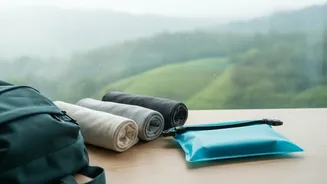
How you pack your rain jacket matters. For most waterproof shells, a tight roll can damage the waterproof membrane over time. A better method is to fold the jacket. One effective technique is to zip it up, lay it flat, fold the arms over the centre, and then fold the body into thirds or quarters. Another popular method involves tucking the folded jacket into its own hood to create a neat, compact bundle. For other clothing, like quick-dry shirts and trousers, rolling tightly is still the best way to save space and minimise wrinkles.
Use Packing Cubes and Compression Bags
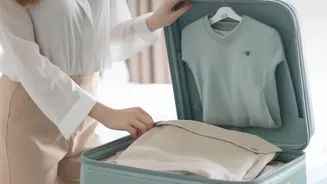
Packing cubes are essential for organisation, allowing you to compartmentalise your clothing and keep wet or dirty gear separate from your clean, dry items. For bulky items like a fleece mid-layer or a puffer-style raincoat, compression bags are even better. These bags allow you to squeeze out all the excess air, reducing the volume of soft garments by half or more. This can turn a bulky jacket into a dense, slim package that slides easily into your bag. Just be aware that this adds density, so keep an eye on your carry-on weight limit.
Utilise Every Inch of Space
Carry-on packing is a game of inches. Think of your bag as a puzzle and eliminate empty spaces. If you must pack boots or a second pair of shoes, stuff them completely. Fill them with socks, underwear, or even small electronic chargers and adapters. This not only uses otherwise wasted space but also helps your shoes keep their shape. The small, awkward gaps around larger packed items can be filled with smaller rolled items like scarves, belts, or extra pairs of socks. A spare pair of dry socks kept in a sealed waterproof bag can be a lifesaver.
Adopt a Layering Strategy
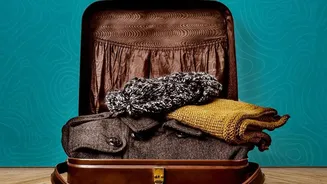
Instead of one heavy, thick coat, think in layers. A layering system is more versatile and much easier to pack. A typical rainy weather system includes a base layer (like a t-shirt), a thin fleece or wool mid-layer for warmth, and a waterproof outer shell. Each of these individual items is far less bulky than a single insulated parka. This approach allows you to adapt to changing temperatures throughout the day and means each piece of clothing takes up minimal space in your bag. Quick-drying fabrics are your best friend here, as they are often lighter and can be washed and dried overnight if needed.