








Why We Overlook This Crucial Step
In fitness culture, the spotlight is almost always on the grind. We celebrate pushing our limits, sweating through one more rep, and adding more weight to the bar. Rest, by comparison, can feel passive or even lazy. This mindset can lead to a state of
overtraining, where the body is pushed so hard without adequate recovery that performance declines and the risk of injury skyrockets. Symptoms of overtraining include persistent fatigue, mood swings, difficulty sleeping, and a weakened immune system. The irony is that by skipping rest, you actively sabotage the very goals you're working so hard to achieve. Instead of viewing rest as a break from training, it's time to reframe it as a strategic and non-negotiable part of the training process itself.
The Science of Gains
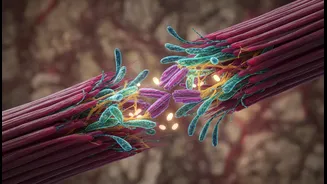
So, what actually happens when you rest? It’s not just about letting the soreness fade. When you perform resistance exercises, you create tiny microscopic tears in your muscle fibers. This is the necessary stimulus for growth. However, the repair and rebuilding process—which makes the muscles stronger and larger—happens exclusively during periods of rest. This process, called muscle protein synthesis, is most active in the 24 to 48 hours following a workout. During this time, your body is busy repairing the damaged tissue, replenishing its energy stores (glycogen), and adapting to the stress you've placed on it. Without sufficient downtime, you interrupt this crucial cycle, effectively cutting your progress short.
Sleep: The Ultimate Performance Enhancer
Of all the forms of rest, sleep is the most powerful. It is a highly active biological process, not just passive downtime. During deep sleep, the body releases a significant amount of human growth hormone, which is essential for repairing tissues and building muscle. Quality sleep also helps regulate hormones like cortisol (the stress hormone) and testosterone. Chronic sleep deprivation can lead to elevated cortisol levels, which can inhibit muscle growth and promote fat storage. Furthermore, a well-rested brain is better at decision-making, reaction time, and motor coordination—all critical for athletic performance. Studies show athletes who get enough sleep see improvements in speed, accuracy, and overall performance while reducing their risk of injury.
Active vs. Passive Rest
Not all rest days mean lying on the couch. There are two main types of recovery: passive and active. Passive recovery is complete rest from strenuous activity, which is crucial after very intense workouts or when you feel run down. Active recovery, on the other hand, involves low-intensity movement like walking, gentle yoga, or light cycling. This type of activity can be more beneficial than complete stillness for reducing muscle soreness because it increases blood flow to the muscles, which helps clear out metabolic waste products and delivers nutrients needed for repair. Active recovery also provides a great opportunity to focus on mobility and proper form without the stress of a heavy workout.
How to Build a Smarter Rest Strategy
The right amount of rest depends on your fitness level, age, and the intensity of your training. A good starting point for most people is to schedule one to two rest days per week. On these days, you can choose between passive or active recovery based on how your body feels. Listening to your body is key. Signs that you need a rest day include prolonged soreness (lasting more than 72 hours), decreased performance, nagging injuries, or a general feeling of fatigue and low motivation. Remember that consistency is more important than intensity. Building scheduled rest into your routine allows your body to adapt, grow stronger, and keeps you mentally fresh, ensuring that fitness remains a sustainable and enjoyable part of your life for years to come.