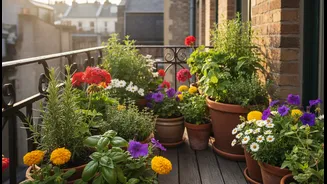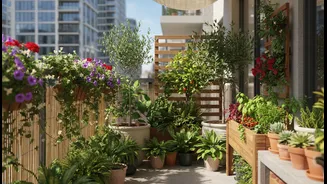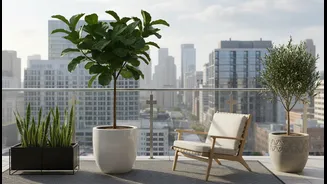



Become a Balcony Light Detective
Before anything else, you must understand the light in your space. This is the single most important factor that will determine what you can grow. Most edible plants, especially those that produce fruit like tomatoes or peppers, need at least six to eight
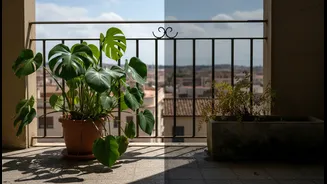
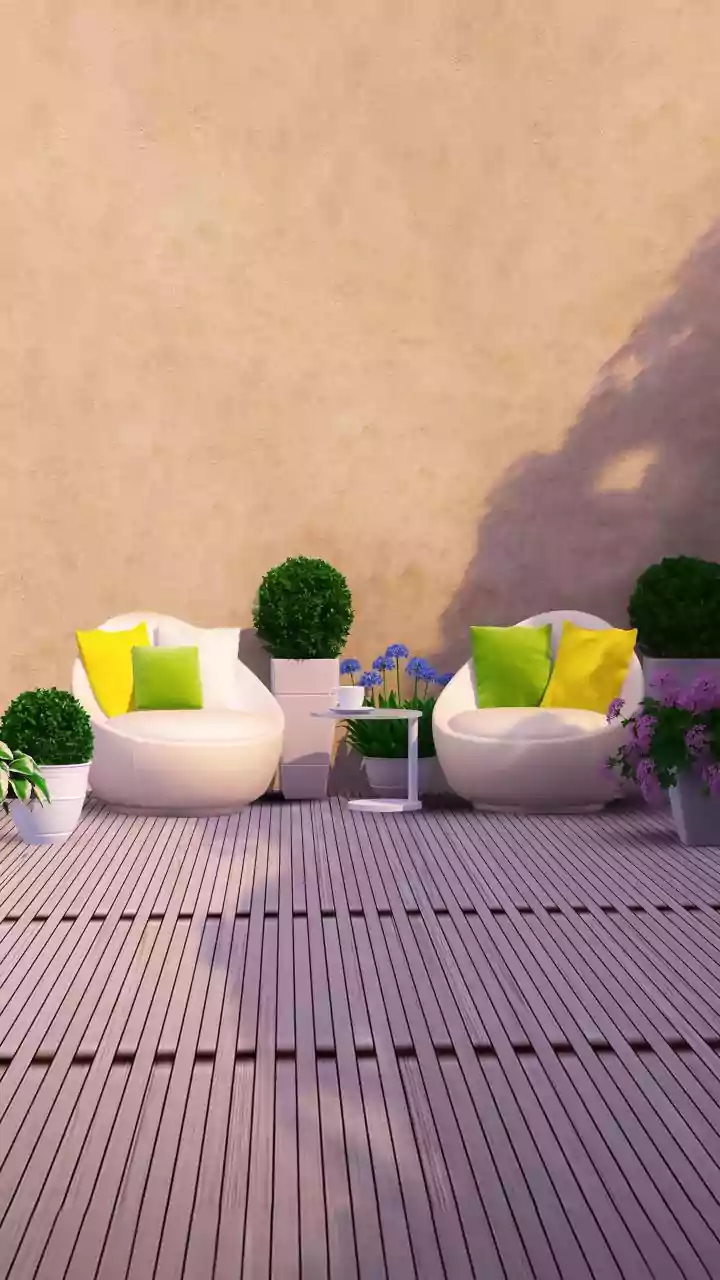
hours of direct sunlight. To figure out what you have, spend a day observing your space. Note when the sun first hits your balcony or window and when it leaves. A simple way to check for 'direct sun' is to look for sharp, well-defined shadows. If you have soft shadows or just general brightness, you have indirect light, which is suitable for different kinds of plants. A south-facing balcony will get the most intense sun, while east-facing spots get gentler morning light. West-facing areas get hot afternoon sun, and north-facing spaces receive the least direct light. This quick audit is non-negotiable; getting it wrong leads to sad, stretched-out plants that fail to thrive.
The Critical Role of Drainage
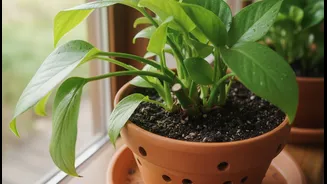
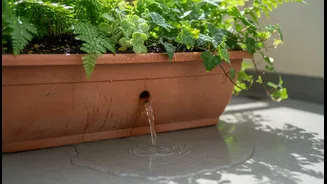
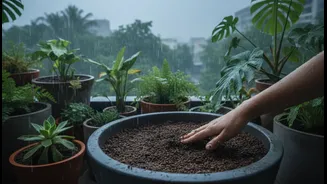
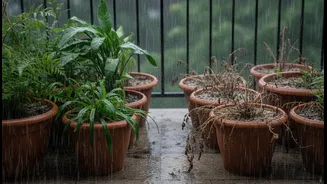
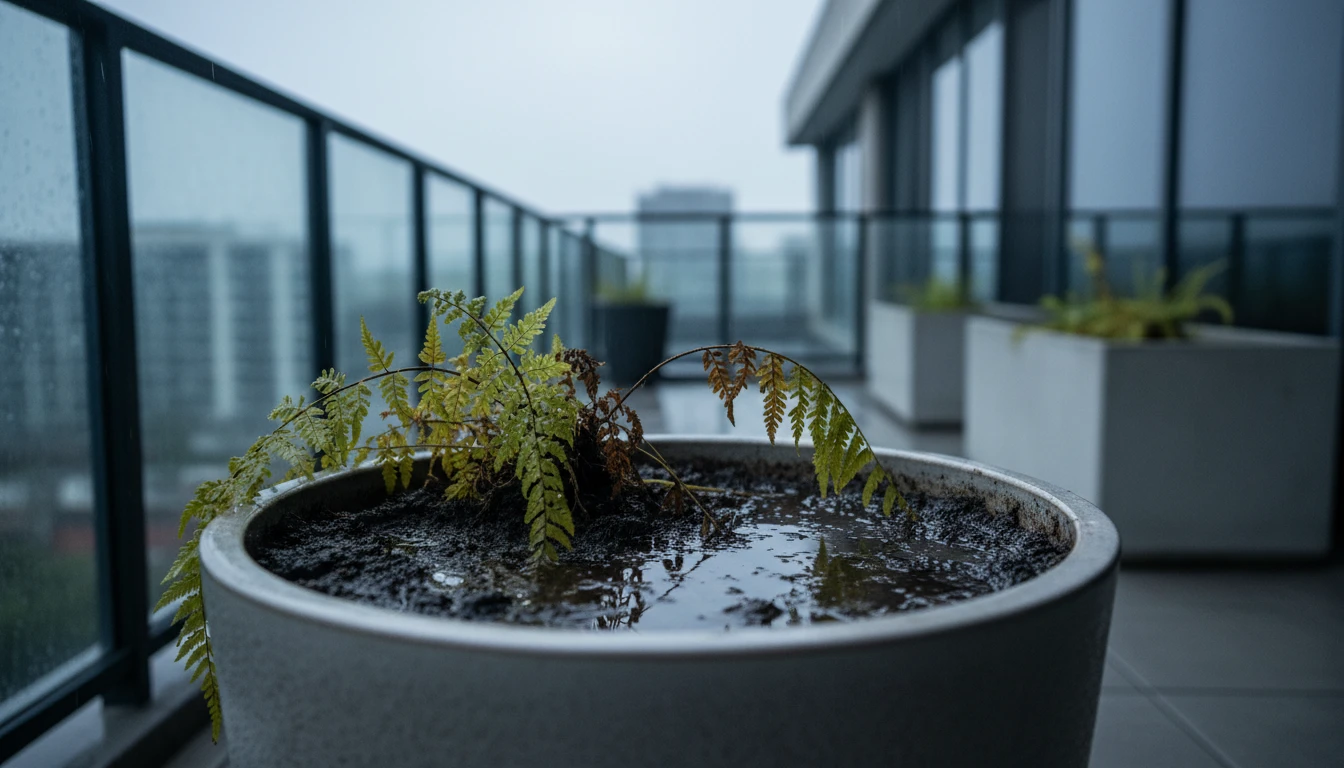
In container gardening, proper drainage is not a suggestion—it's a requirement. When water has no way to escape, it saturates the soil, cutting off oxygen to the roots. This leads to root rot, a condition that quickly kills plants. The easiest way to ensure good drainage is to use pots with holes in the bottom. If you fall in love with a decorative pot that has no holes, use it as a 'cachepot'. Plant your plant in a slightly smaller plastic pot with holes, and place it inside the decorative one. After watering, simply lift the inner pot out and discard any excess water that has collected in the outer pot. A common myth is that adding a layer of gravel to the bottom of a pot improves drainage. In fact, it does the opposite by creating a layer of stagnant water just above the gravel, which can drown your plant's roots.
Choose Your Containers Wisely
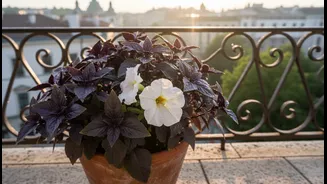
The right container does more than just hold soil; it supports your plant's entire ecosystem. The size of the pot matters. While it’s tempting to start with small pots, they dry out very quickly, especially in full sun, and can restrict root growth. As a general rule, bigger is often better, providing more stable moisture and room for roots to develop. The material also plays a part. Porous containers like unglazed terracotta allow air and moisture to pass through the walls, which means the soil dries out faster. This makes them great for drought-tolerant plants like succulents but means you'll have to water more frequently for others. Non-porous containers like plastic, glazed ceramic, or fibreglass retain moisture longer. Whatever you choose, always ensure it has adequate drainage holes to prevent the dreaded root rot.
Set Realistic Expectations for a Joyful Start
Perhaps the most overlooked aspect of gardening is managing your own expectations. Your homegrown carrots may not look as perfectly straight as the ones in the supermarket, and that’s perfectly okay. Commercial produce is grown under highly controlled conditions, a standard that is unrealistic for a home garden. The goal is not perfection, but learning and enjoyment. Start small. It's better to successfully care for two or three plants than to become overwhelmed by twenty. Don't try to grow sun-worshipping tomatoes on a shady north-facing balcony; you'll only end up frustrated. Instead, match the plant to the light you actually have. Every gardener, no matter their experience level, has plants that fail. See these moments not as failures, but as learning opportunities that will make you a better gardener next season.
Easy First Plants for Guaranteed Green
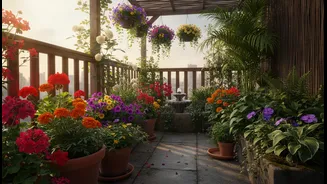
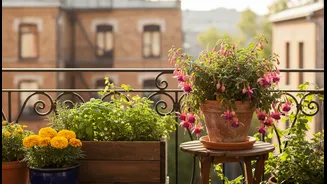
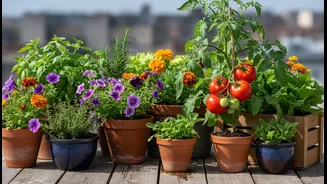
To build confidence, start with plants that are known for being forgiving and productive in small spaces. For a sunny spot (6+ hours of sun), try herbs like basil, rosemary, and thyme. Compact or 'bush' varieties of cherry tomatoes and peppers are also great choices. For spaces with partial sun (3-6 hours), leafy greens like lettuce, spinach, and kale are excellent options. Many herbs like mint and parsley will also do well. If you have a shady spot with less than three hours of direct sun, don't despair. You can grow beautiful foliage plants like ferns or impatiens. For edibles, you could try growing microgreens on a windowsill. Choosing the right plant for your specific conditions is the secret to a rewarding first harvest.