

The Papaya Seed Problem
One of the most common adulterants mixed with whole black pepper is dried papaya seeds. They look strikingly similar but cost much less, making them an easy way for dishonest sellers to increase their profits. While they may look the same at a glance,
papaya seeds offer none of the pungent flavour or health benefits of true pepper. Consuming them can also lead to stomach issues. Luckily, telling them apart is easy with a glass of water.
The Water Float Test
This is the simplest and most reliable method, recommended by the Food Safety and Standards Authority of India (FSSAI). Fill a clear glass with plain water and drop a spoonful of your whole black pepper into it. Stir gently and wait a minute. Pure, dense black peppercorns will sink to the bottom. Papaya seeds, being lighter, will float on the surface along with any hollow or poor-quality pepper berries. If you see a significant number of 'peppercorns' floating, your batch is likely adulterated.
A Closer Look: Texture and Shape
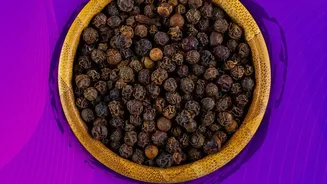
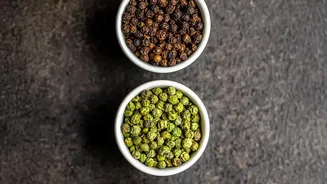
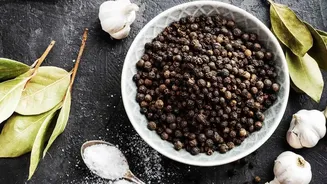
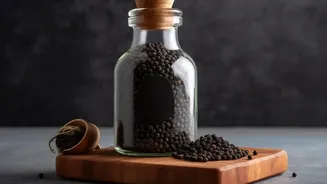
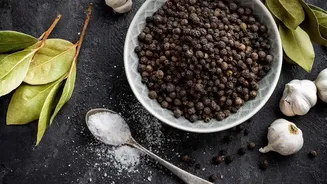
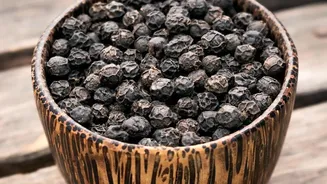
Once you separate the floaters, you can examine them more closely. True black peppercorns have a distinctly wrinkled, almost net-like surface and are typically round. Papaya seeds, in contrast, are often more oval-shaped with a shrunken but smoother surface. They may also appear greenish-brown or blackish-brown. FSSAI also notes that when you crush a papaya seed, it turns into a tasteless mush, whereas a real peppercorn is hard to crush and breaks into aromatic, pungent fragments.
Spotting Unwanted Shine: Mineral Oil
Another common fraudulent practice is coating old or low-quality peppercorns with mineral oil. This gives them an unnatural, glossy black shine to make them look like a premium product. Mineral oil is a petroleum derivative and is harmful if consumed, potentially causing gastrointestinal problems. To check for this, rub a few peppercorns vigorously on a plain white sheet of paper. If you see a greasy, oily stain that doesn't disappear, the pepper is likely coated. You might also detect a faint kerosene-like smell from the batch.
What About Powdered Pepper?
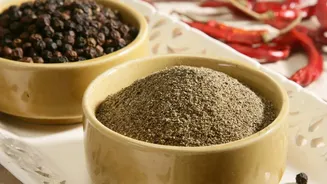
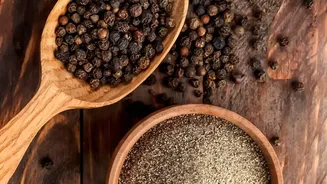
Ground pepper is much harder to verify visually, as it can be mixed with fillers like sawdust, bran, or husk. A quick test for powdered pepper is to sprinkle a small amount onto the surface of a glass of water. Pure pepper powder will mostly settle, though some fine particles might float. However, sawdust and bran will float conspicuously on the surface. If you feel a gritty texture when rubbing the settled residue between your fingers, it may be adulterated with sand or brick powder. To be completely sure, the best practice is to buy whole peppercorns from a trusted source and grind them at home as needed.
General Rules for Buying Quality Pepper
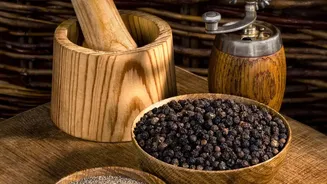
Beyond these tests, use your senses when shopping. Pure black pepper has a strong, sharp, and pungent aroma; a weak or non-existent smell is a red flag for old or poor-quality stock. Be wary of peppercorns that are sold at an unusually low price or those that look overly shiny. Always try to purchase spices from reliable brands and shops that have proper FSSAI or Agmark certifications, ensuring a higher standard of quality and purity.