




The Shifting Tides of Goan Tourism
For years, Goa's tourism model was simple: sun, sand, and sea. While the beaches remain a major draw, there's a noticeable shift in travel preferences. Recent tourism trends show an increasing interest in experiential and nature-based holidays. This evolution
is part of a broader "Goa Beyond Beaches" narrative being championed by tourism officials, aimed at showcasing the state's rich hinterlands, heritage, and wellness offerings. Factors like overcrowded beaches, a search for more authentic local experiences, and a desire for peace and quiet are driving travellers inland. This push aligns with a global move towards sustainable and regenerative tourism, where visitors seek deeper connections with nature and culture. The Goan government is actively promoting these hinterland experiences to position the state as a year-round destination, moving beyond its peak season appeal.
Into the Wild: Goa’s Green Sanctuaries
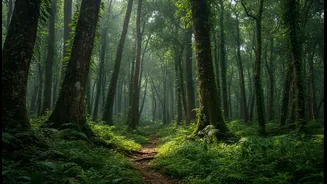
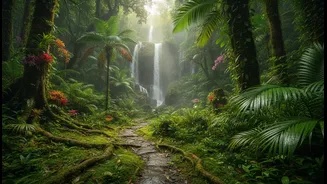
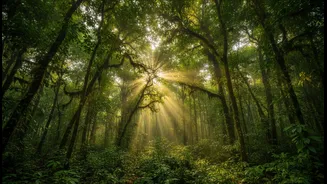
The state's interior is home to dense, protected forests that offer a stark contrast to the coastal buzz. The largest of these is the Bhagwan Mahavir Wildlife Sanctuary and Mollem National Park, a 240-square-kilometre expanse in the Western Ghats. This protected area is a biodiversity hotspot, teeming with wildlife like deer, gaur (Indian bison), and even elusive big cats. For nature enthusiasts, the sanctuary offers numerous hiking trails that wind through pristine vegetation, so dense in places that sunlight barely touches the forest floor. The sanctuary is becoming an increasingly popular destination for eco-tourists and birdwatchers drawn to its rich variety of flora and fauna. It represents a core part of Goa's strategy to develop and promote eco-tourism and nature-based holidays.
Chasing Waterfalls, Not Just Waves
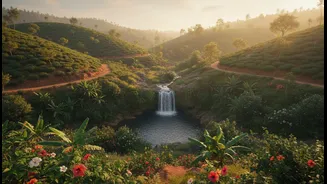
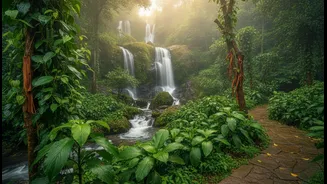
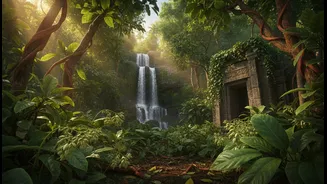
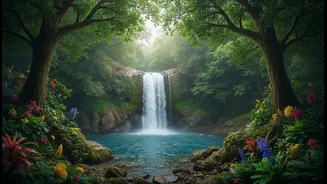
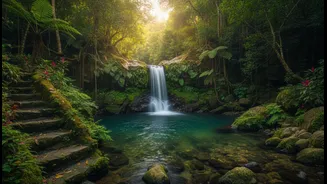
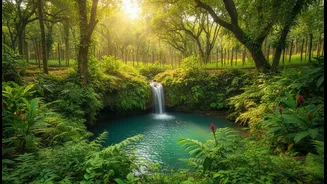
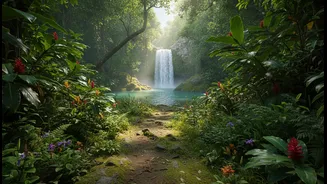
Deep within these forests are some of Goa's most spectacular natural wonders: its waterfalls. The most famous is Dudhsagar Falls, a magnificent four-tiered cascade that means 'Sea of Milk'. Located within the Bhagwan Mahavir Sanctuary, its powerful beauty, especially during the monsoon, attracts thousands of visitors annually. But beyond the famous Dudhsagar, a number of smaller, seasonal waterfalls in talukas like Sattari and Sanguem have become local attractions, especially during the rainy season. The government has recognized this interest and plans to promote these waterfalls as official tourist destinations, improving accessibility and ensuring visitor safety while preserving their natural state. These cascades offer a refreshing and adventurous alternative to a day at the beach.
The Spice of Life: Aromatic Plantation Tours
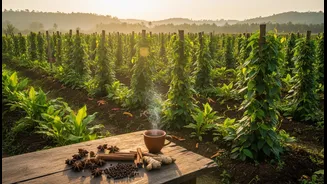
Another major draw of inland Goa is its fragrant spice plantations, found primarily around the Ponda region. These estates offer a peaceful and educational experience, allowing visitors to see how spices like black pepper, cardamom, nutmeg, and vanilla are grown. A typical tour involves a guided walk through the lush gardens, where you can touch, smell, and taste the spices directly from the plants. These visits often conclude with a traditional Goan buffet lunch, prepared with fresh, farm-grown ingredients. More than just a tour, it's an immersion into the region's agricultural heritage and a sensory journey that connects travellers to the land in a profound way. For those seeking a tranquil escape, the calm and shaded environment of a spice farm is the perfect antidote to bustling beach towns.
Wellness and Slow Travel Find a Home Inland
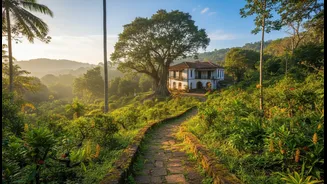
The move inland also aligns with the growing demand for wellness and slow travel. Away from the party hubs, the Goan hinterland provides a serene backdrop for yoga retreats, meditation centres, and wellness resorts. Travellers are increasingly seeking out these quiet corners to disconnect, rejuvenate, and focus on well-being. This trend attracts a different kind of visitor—one who is more conscious, values meaningful experiences, and is often willing to spend more for them. The rise of homestays and eco-friendly accommodations in these areas further supports this shift, allowing for a more intimate and sustainable form of travel that directly benefits local communities.