




Why Monsoon is a Gardener's Friend
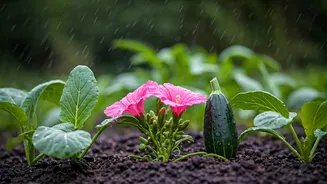
The rainy season in India, typically from June to September, presents a golden opportunity for urban gardeners. The headline claim that gardening gets easier is rooted in several environmental factors. The most obvious benefit is natural watering, which
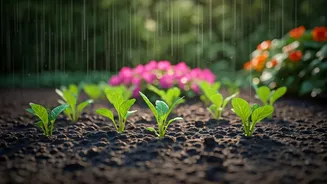
saves you time and effort. Cooler temperatures and higher humidity create a nurturing environment where many plants, especially tropical varieties, flourish. This combination encourages faster growth and lusher foliage. The constant moisture softens the soil, making it easier for roots to grow and access nutrients. While the season brings many advantages, it's not entirely hands-off. Success lies in understanding how to harness these benefits while mitigating the challenges.
The Right Soil and Potting Setup
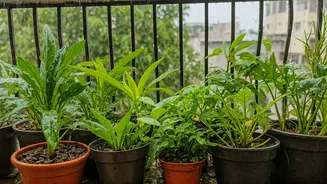
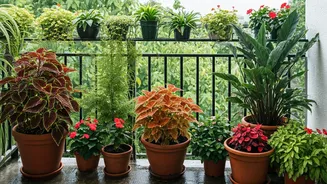
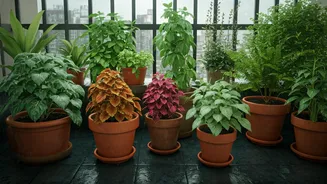
The single most critical factor for monsoon balcony gardening is drainage. Heavy rainfall means the primary risk is not dehydration but waterlogging, which can suffocate roots and cause them to rot. To prevent this, start with the right foundation. Choose pots with multiple, clear drainage holes. Elevating your pots on stands, bricks, or small stones is a simple but highly effective trick to ensure excess water can escape freely. Your soil mix should also be designed to drain well. Avoid heavy, clay-like soils. Instead, use a porous potting mix. A good combination is garden soil, compost, and a material like cocopeat or perlite, which helps with aeration and prevents compaction. This light, well-draining soil gives your plants' roots the oxygen they need to thrive even during downpours.
Choosing Your Monsoon Plant Champions
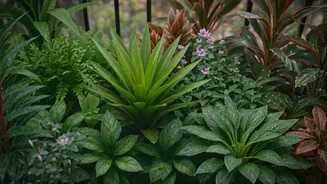
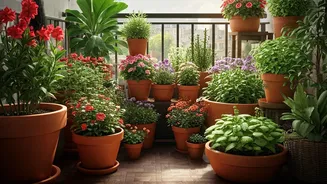
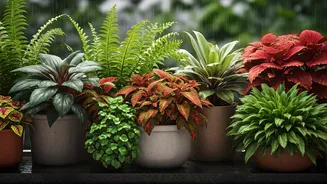
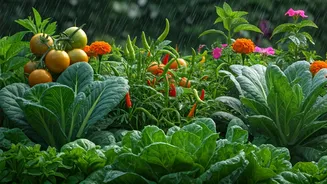
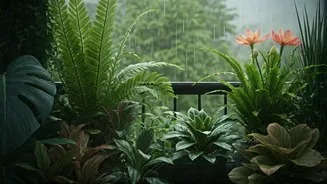
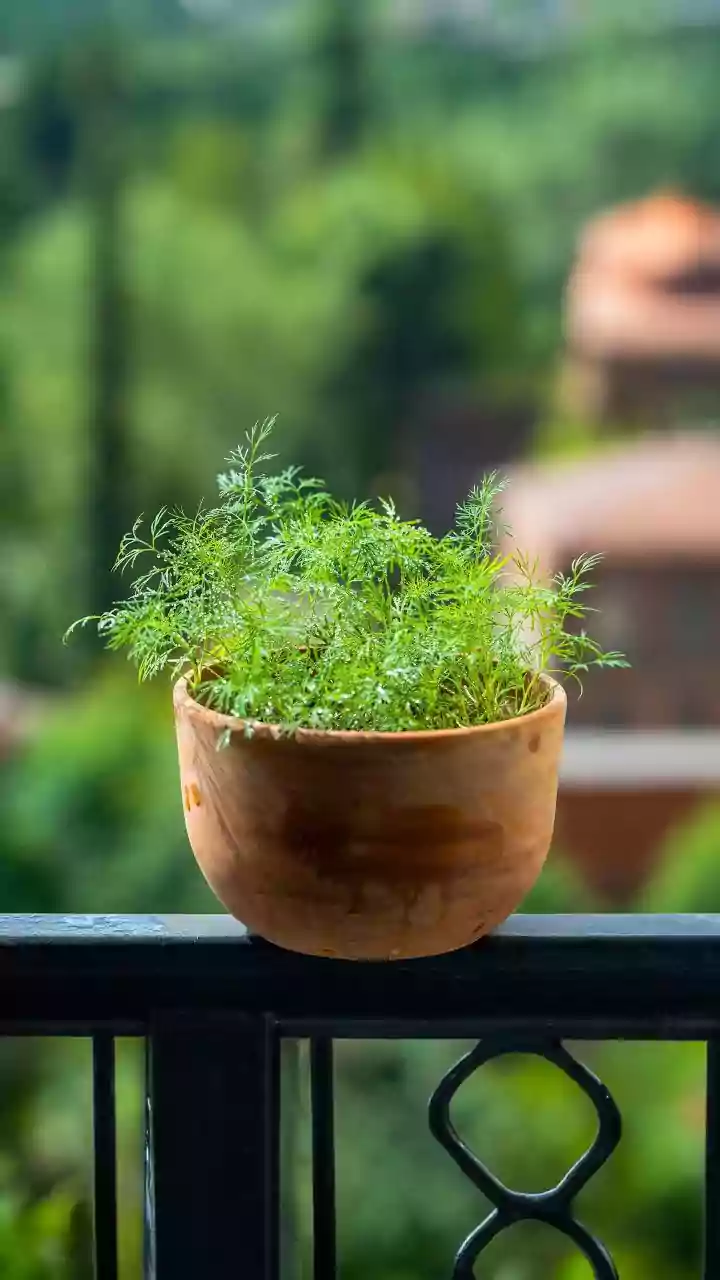
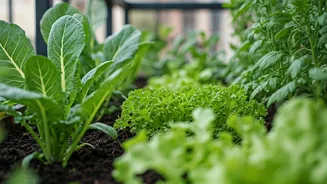
Not all plants enjoy a daily drenching. Selecting species that thrive in humid, moist conditions is key. For a vibrant, flowering balcony, consider monsoon favourites like hibiscus, jasmine (mogra), and rain lilies, which often bloom spectacularly after a shower. Many lush foliage plants, such as ferns, peace lilies, and money plants, also do exceptionally well. If you're interested in growing your own food, the monsoon is the perfect time to start a small vegetable patch. Leafy greens like spinach (palak) and amaranth (chaulai) grow quickly. Gourds like bottle gourd (lauki) and bitter gourd (karela) are prolific growers, though they will need a trellis for support. Herbs such as mint and coriander also flourish in these conditions.
Essential Care and Maintenance
While nature handles much of the watering, some mindful care is needed. Adjust your watering schedule based on rainfall; always check if the top inch of soil is dry before adding more water. Overwatering is a common mistake during this season. High humidity also creates a welcoming environment for pests and fungal diseases. Snails, slugs, and mealybugs become more active. To manage this, ensure good air circulation by not overcrowding your plants. Regular pruning of dead or yellowing leaves helps improve airflow and reduces disease risk. A preventive spray of neem oil solution every 10-15 days is an excellent organic way to keep common pests and fungal issues at bay. Finally, be mindful of strong winds, which can damage taller plants. Grouping pots together or moving them to more sheltered spots during storms can provide protection.