



The Classic Choice: Sabudana
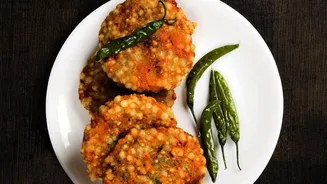
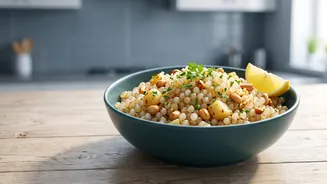
Sabudana, or tapioca pearls, is almost synonymous with Navratri fasting. These small, starchy pearls are a great source of carbohydrates, providing a quick energy boost. While popular, they are low in protein and fibre, so it is best to combine them with other
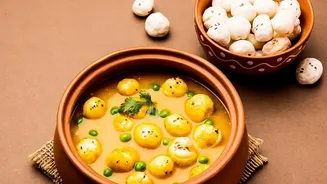
ingredients. The most beloved preparation is Sabudana Khichdi, a savoury dish made by tossing soaked pearls with roasted peanuts, boiled potatoes, and mild spices like cumin and green chillies. For a sweet treat, Sabudana Kheer, cooked in milk until translucent and creamy, is another comforting option.
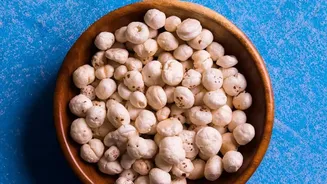
The Crunchy Snack: Makhana
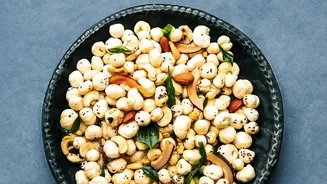
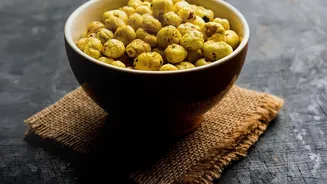
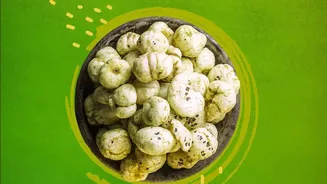
Makhana, or fox nuts, have gained immense popularity as a healthy fasting snack. Light and crunchy, they are packed with protein, antioxidants, and essential minerals like magnesium and calcium. The simplest way to enjoy them is roasted in a teaspoon of ghee until crisp and seasoned with a sprinkle of rock salt (sendha namak). They also form the base for a delicious kheer, where they are simmered in milk with nuts and cardamom to create a dessert that is both rich and light. For a savoury twist, you can make makhana cutlets or add them to a mixed nut trail mix.
The Versatile Flours: Kuttu and Singhara
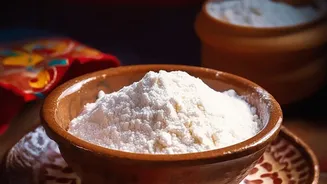
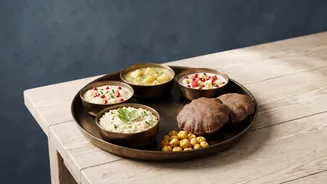
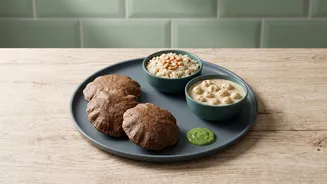
During Navratri, regular grains like wheat and rice are avoided. Instead, special flours take their place. Kuttu ka atta (buckwheat flour) is a powerhouse of high-quality plant protein and fibre. It's commonly used to make deep-fried puris or savoury pancakes called cheelas. Another popular option is singhare ka atta (water chestnut flour), which is lighter and known for its cooling properties. This flour is ideal for making rotis, puris, and even a dense, sweet halwa.
The Healthy Grains: Rajgira and Samak
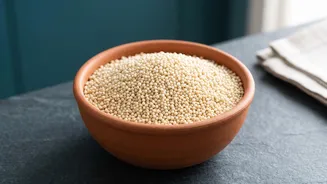
Beyond the common flours, two other grains are central to the Navratri diet. Rajgira (amaranth) is a protein-rich pseudo-grain that can be used as a flour to make parathas and pooris. Its flour is also used to make laddoos and a thick porridge. Samak ke chawal (barnyard millet) serves as an excellent substitute for rice. Despite its name, it is a type of millet, not rice. It's light, easy to digest, and can be used to make a simple pulao, a comforting khichdi, or even idlis and dosas.
The Essential Vegetables
The list of vegetables permitted during Navratri is specific. Potatoes are the most versatile, used in everything from simple stir-fries (jeera aloo) to curries and tikkis. Other staples include pumpkin (kaddu), bottle gourd (lauki), sweet potato (shakarkandi), and arbi (colocasia root). These vegetables are typically used to prepare simple sabzis, soups, or snacks. Raw bananas and yams are also popular choices, often used to make chips or curries.
Fruits, Nuts and Dairy
All fruits are permitted during Navratri and are an excellent source of vitamins, minerals, and natural energy. A simple fruit chaat can be a refreshing meal or snack. Dairy products like milk, yogurt (curd), paneer (cottage cheese), and buttermilk are also essential. They provide necessary protein and calcium, making meals more balanced and satisfying. Nuts and dry fruits such as almonds, walnuts, cashews, and raisins are perfect for snacking and provide sustained energy.