
The Myth of the Flawless Finish
Many hosts fall victim to the fantasy of the dramatic, last-second culinary flourish. We envision ourselves calmly plating a complex dish as the doorbell rings. The reality is often a chaotic sprint, leaving us flustered and sweaty just as our friends
walk in. The final thirty minutes before a gathering should be for decanting wine, lighting candles, and taking a deep breath—not for starting a key component of the main course. The pressure to create a 'wow' moment often leads to poor planning, where too many tasks requiring active cooking are crammed into this final, critical window. This is a recipe for stress, not success.
Rethink Your Menu Strategy
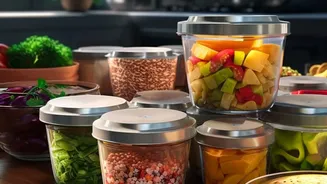
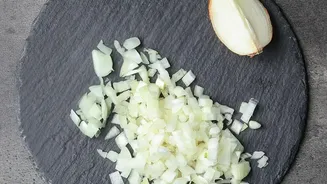
The key to reclaiming your sanity is to shift your menu strategy from last-minute execution to thoughtful preparation. Instead of choosing dishes that demand your full attention right before serving, build your menu around components that can be made partially or completely in advance. This approach is not about serving a less impressive meal; it is about serving a smarter one. Professional chefs call this 'mise en place'—having everything in its place. For a home host, this means chopping vegetables, making sauces, or even fully cooking and assembling dishes hours or even a day before the event. This way, your work is spread out, and the final stretch becomes a simple matter of assembly and reheating.
The 'Mostly Done' Menu
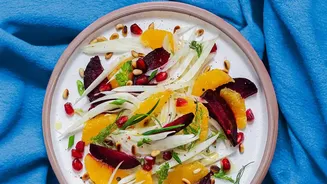
Aim for what could be called a 'mostly done' menu. Your main course should be something that requires little more than being taken out of the oven to rest, like a roast chicken or a braised lamb shank. Side dishes can be chosen for their ability to be served at room temperature, such as a hearty grain salad or roasted vegetables that are just as delicious when not piping hot. Casseroles and baked pastas are champions of this approach; they can be assembled the day before and simply baked before guests arrive. A good rule of thumb is that nothing on your menu should require you to be standing over a hot stove, actively stirring, frying, or whisking, while your guests are mingling.
What a Realistic Final 30 Minutes Looks Like
Let's paint a picture of a well-planned final half-hour. The main dish, a lasagna or a beef bourguignon, is already bubbling away gently in the oven, filling the house with a welcoming aroma. Your salad greens are washed and ready, waiting for a final toss with a dressing you made that morning. The bread just needs to be warmed. Your dessert is a make-ahead cake or tart that is already complete. Your tasks now include: putting on your party playlist, pouring yourself a drink, tidying the entryway, and perhaps lighting a few candles. You are not cooking; you are transitioning from chef to host, ready to greet your friends at the door with a genuine smile, not a stressed-out grimace.
Building Your Stress-Free Menu
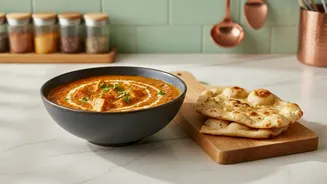
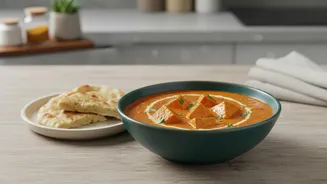
When planning, actively avoid dishes that can't be prepped. A menu featuring pan-seared steaks, a delicate, last-minute pan sauce, and a flash-fried side is a recipe for anxiety. Instead, embrace the world of make-ahead marvels. Braises, stews, and chilis often taste better the next day. Soups can be made entirely in advance and gently reheated. For appetizers, a well-curated cheese board requires assembly, not cooking. And for dessert, think about cheesecakes, tiramisu, or fruit crumbles that can be baked ahead and served warm or at room temperature. The goal is to design a meal that allows you to be present. As hosts often find, if you are at ease, your guests will be too.