



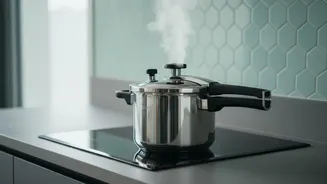
The Heart of the Machine: Understanding the Steam Vent
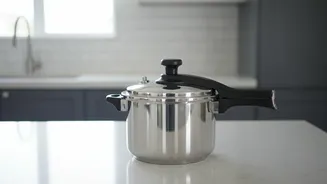
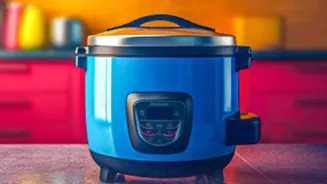
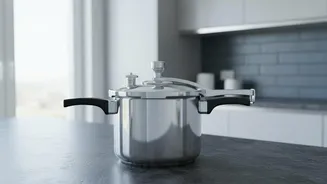
Every pressure cooker, whether a modern electric multi-cooker or a classic stovetop model, relies on a critical component: the vent pipe, or steam vent. This small opening in the lid serves as the primary gateway for regulating internal pressure. As the liquid
inside heats up and turns to steam, pressure builds. The vent, often working with a weighted regulator or a release valve, allows excess steam to escape in a controlled manner. This process is what maintains a stable, high-pressure environment, allowing food to cook at temperatures hotter than boiling point. Without a clear path for this steam to exit, the entire system is compromised.
Why a Blocked Vent Is a Big Problem
The most common cause of a blocked vent is food debris. Starchy or foamy foods like beans, lentils, pasta, and oatmeal can bubble up during cooking and force small particles into the vent pipe. As this residue cools, it can harden and create a stubborn plug. When the vent is blocked, the pressure inside the cooker has nowhere to go. This can prevent the appliance from reaching the correct cooking pressure, but more dangerously, it can lead to an excessive buildup of pressure. While modern pressure cookers have multiple backup safety features, including secondary release valves and gaskets designed to give way under extreme pressure, the primary vent is the first line of defense. A blockage forces the machine to rely on these emergency measures, increasing the risk of malfunction and creating a hazardous situation where hot food and steam could be released unexpectedly.
The Five-Second Pre-Cook Safety Check
Making a vent check part of your routine is simple and takes only a moment. Before you place the lid on the pot for cooking, hold it up to a light source. Look directly through the vent pipe from the inside of the lid. You should be able to see a clear, unobstructed circle of light. If you see anything blocking the path, it needs to be cleaned before you proceed. This quick visual inspection is the single most effective habit you can adopt to ensure your pressure cooker operates as intended. It's a small step that prevents the vast majority of pressure-related problems.
How to Clean a Dirty or Blocked Vent
If you discover a blockage during your pre-cook check, cleaning it is straightforward. First, try to dislodge any visible debris. A toothpick, a thin skewer, or a specialized small brush can be gently inserted into the vent pipe to clear it. For more thorough cleaning, remove the steam release valve or regulator from the top of the lid according to your manufacturer's instructions. This will give you better access. Wash the valve and the area around the vent pipe with warm, soapy water. Use a small brush to scrub away any residue. Once clean, rinse thoroughly and ensure all parts are dry before reassembling. Regular cleaning after each use, especially after cooking foamy foods, will prevent significant buildup over time.
Beyond the Vent: Other Key Safety Habits
While the vent is critical, a few other habits contribute to overall pressure cooker safety. Always inspect the silicone or rubber gasket that seals the lid. It should be clean, free of cracks, and properly seated in its track. A damaged gasket can prevent the cooker from sealing properly, causing steam to leak from the edges. Also, be mindful not to overfill the pot. Most cookers have a maximum fill line, typically about two-thirds full. Overfilling doesn't leave enough space for steam to generate and can cause liquids to boil up into the lid's mechanisms, including the vent. Finally, always ensure you use enough liquid—usually at least one cup—as this is what creates the steam needed for the cooker to pressurize correctly.