



What Are Hyper-Palatable Foods?
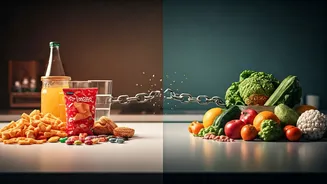
Hyper-palatable foods aren't just tasty; they're scientifically engineered to be irresistible. Food scientists design these products by combining fat, sugar, sodium, and carbohydrates in ways that are not found in nature. Think of classic combinations:
fat and sodium (chips, processed meats), fat and sugar (cakes, ice cream), or carbs and sodium (crackers, pretzels). This potent mix is designed to hit the 'bliss point,' a term the food industry uses for the peak of deliciousness that makes you want to keep eating. These foods essentially light up the reward centers in your brain, making them difficult to eat in moderation.
Understanding the Snacking Loop
The snacking loop is a cycle of craving, reward, and reinforcement. When you eat a hyper-palatable food, your brain’s reward system releases dopamine, a neurotransmitter associated with pleasure and motivation. This creates a powerful feeling of satisfaction. However, this system can be overstimulated by these engineered foods. Over time, your brain may become less sensitive to dopamine, meaning you need to eat more of the food to get the same pleasurable feeling, a process similar to tolerance. This disruption interferes with your body's natural hunger and fullness cues, leading to persistent cravings even when you’re not physically hungry.
Strategy 1: Identify Your Triggers
The first step to breaking the loop is awareness. Cravings are often tied to specific situations, emotions, or times of day. Are you reaching for snacks when you’re stressed, bored, or watching TV? Stress, in particular, can increase levels of the hormone cortisol, which boosts appetite for high-calorie foods. For a week, try to note when and why you crave these snacks. Recognizing these patterns is crucial. Once you know your triggers, you can find non-food related ways to address them, like taking a short walk to de-stress or calling a friend when you feel lonely.
Strategy 2: Engineer Your Environment
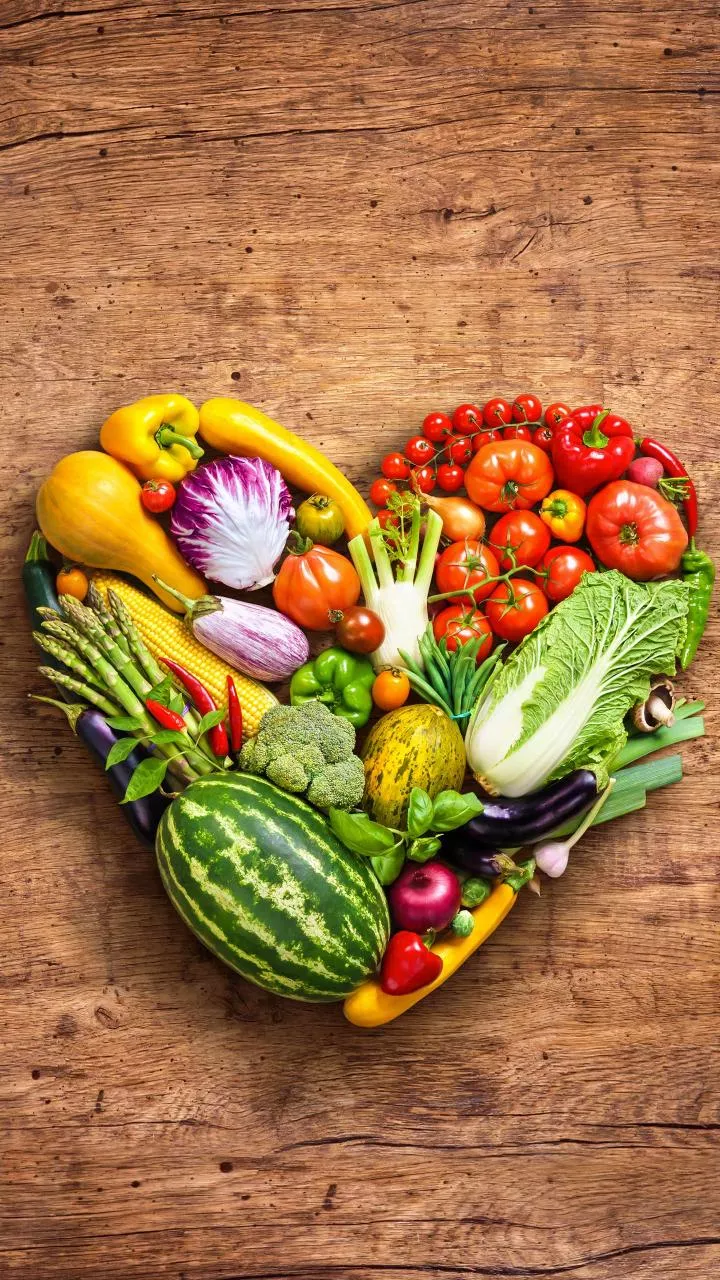
Out of sight, out of mind is a powerful tool. It's much harder to resist a craving when the object of your desire is sitting on your kitchen counter. Make your home a safe zone by not buying the hyper-palatable snacks that you find most tempting. If you do have them, store them in an inconvenient place—on a high shelf or in the back of the pantry—and keep healthier options front and center. Place a bowl of fresh fruit on the counter and keep cut vegetables and hummus at eye-level in the fridge. This simple act of making healthy choices easier and unhealthy choices harder can make a significant difference.
Strategy 3: Don't Just Restrict, Replace
Telling yourself you can never have a certain food can often backfire, making you crave it even more. Instead of focusing on cutting foods out, focus on crowding them out with nutritious alternatives. When a craving hits, try a 'healthy swap' first. Craving something salty and crunchy? Try air-popped popcorn, a handful of almonds, or roasted chickpeas. Need something sweet? Fresh berries, a piece of dark chocolate, or Greek yogurt with a drizzle of honey can satisfy that urge. The goal isn't perfection, but progress. By filling up on nutrient-dense foods, you'll have less room and desire for the hyper-palatable options.
Strategy 4: The Power of the Pause
Mindless eating is a major component of the snacking loop. You grab a bag of chips while watching a show, and before you know it, it's empty. To counter this, practice mindful eating. When a craving strikes, take a moment to pause and check in with your body. Are you truly hungry, or just thirsty? Sometimes, our brains mistake thirst for hunger. Try drinking a large glass of water and waiting 15-20 minutes. This simple pause gives you time to assess your actual needs and decide if you still want the snack. If you do, serve yourself a small portion in a bowl instead of eating from the bag. This helps with portion control and makes the act of eating more intentional.