






Your Body's Master Clock
Every cell in your body operates on a 24-hour internal schedule known as the circadian rhythm. Primarily governed by light and darkness, this master clock dictates everything from your sleep-wake cycle to hormone release and, crucially, your digestion.
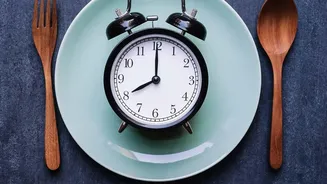
Think of your digestive system as a factory with peak operating hours. During the day, it's fully staffed and primed to efficiently break down food and absorb nutrients. As evening approaches, the system naturally winds down, preparing for a period of rest and repair overnight. This rhythm isn't just in your brain; your gut has its own local clock that coordinates its functions, including gut motility (the movement of food) and the release of digestive enzymes. When your lifestyle aligns with this clock, your body functions optimally. However, when behaviours like late-night eating clash with this natural schedule, you send confusing signals that can throw the entire system out of sync.
When Mealtime Clashes With Bedtime
Eating a large meal close to bedtime forces your digestive system to work overtime when it should be resting. This misalignment between your body's clock and your eating habits is known as circadian disruption. It can lead to a host of immediate issues, like acid reflux and bloating, because digestion slows down at night. But the effects run deeper. Studies show that a single meal eaten in the evening can produce a higher blood sugar spike than the exact same meal consumed in the morning, as your body's sensitivity to insulin is naturally lower at night. A consistent pattern of late eating disrupts the production of hormones that regulate appetite and metabolism. This creates a cycle where poor sleep and late eating can lead to increased cravings for high-sugar and high-fat foods, further challenging your gut.
Your Gut Has a Bedtime, Too
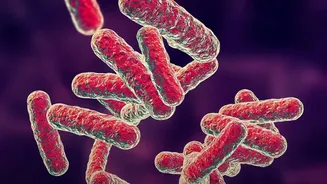
It’s not just your organs that follow a daily rhythm; the trillions of microbes in your gut do, too. This vast community, known as the gut microbiome, has its own predictable 24-hour cycle of activity. Research shows that the composition and function of these bacteria fluctuate throughout the day and night, influenced by your eating and fasting patterns. Some bacteria are more active during the day to help digest the food you eat, while others take over the 'night shift' for maintenance and repair tasks. When you eat late at night, you're providing food at a time when the 'day shift' bacteria are winding down. This can promote the growth of less beneficial or even harmful bacteria that thrive on this schedule, leading to an imbalance known as gut dysbiosis. This disruption has been linked to increased inflammation and a weakened intestinal barrier, a condition sometimes called 'leaky gut', which allows unwanted substances to pass into the bloodstream.
The Ripple Effects on Health
The consequences of a desynchronised gut extend beyond simple indigestion. This internal clash is increasingly linked to a higher risk of metabolic issues. A recent study published in the journal 'iScience' found that individuals with both a late sleep schedule and late eating habits were more likely to have a high burden of metabolic syndrome features, which include high blood pressure, high blood sugar, and abnormal cholesterol levels. The combination of chronic stress and late-night eating appears to create a 'double hit' on the gut, significantly increasing the likelihood of symptoms like constipation and diarrhea. A few nights of poor sleep can be enough to alter the diversity of your gut microbiome, potentially leading to gastrointestinal discomfort and inflammation. Over time, this chronic disruption can impair your immune system and make you more susceptible to gut-related conditions.
Syncing Your Gut and Your Sleep
The good news is that meal timing is a modifiable behaviour. Aligning your eating schedule with your body's natural rhythm can significantly improve gut health. The key is consistency. Aim to stop eating at least two to three hours before you go to bed. This gives your digestive system adequate time to process your last meal. Try to make lunch your largest meal of the day, as your digestive function is at its peak. If you're a shift worker or have an irregular schedule, try to have a lighter meal or snack during late hours and maintain a fasting window of at least 12 hours between your last meal of the night and your first meal of the day. This practice, known as time-restricted eating, can help restore the natural rhythm of your gut microbes and support metabolic health.