





What is the 'No PUC, No Fuel' Rule?
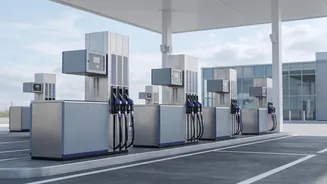
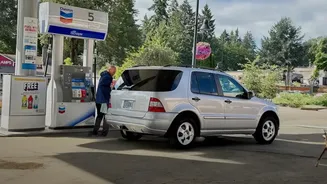
Starting October 1, 2026, fuel stations across Delhi-NCR have been directed to deny petrol, diesel, or CNG to any vehicle that does not have a valid Pollution Under Control (PUC) certificate. This measure, enforced by the Commission for Air Quality Management
(CAQM), is a critical component of the annual Graded Response Action Plan (GRAP) to combat winter pollution. To facilitate this, around 500 fuel pumps in Delhi and over 1,000 across the wider NCR are being equipped with Automatic Number Plate Recognition (ANPR) cameras. These cameras will automatically scan a vehicle's number plate, check its PUC status against the central VAHAN database, and prevent refueling if the certificate is invalid or expired.
Why is This Happening Now?
Vehicular emissions are a major contributor to the toxic smog that engulfs Delhi-NCR each winter. The 'No PUC, No Fuel' rule is a pre-emptive strike to ensure that vehicles on the road comply with emission standards before the air quality deteriorates to severe levels. By linking fuel purchase directly to pollution compliance, authorities aim to create a powerful incentive for vehicle owners to maintain their cars, bikes, and commercial vehicles. This is part of a broader strategy that includes restrictions on certain types of older vehicles, regulations on construction dust, and efforts to prevent stubble burning in neighbouring states. The enforcement drive is intended to be a year-round effort but is being significantly strengthened during the critical winter months.
Who is Affected and Who is Exempt?
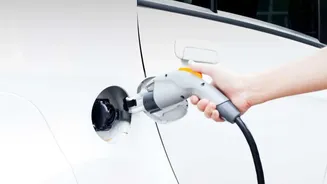
This rule applies to all petrol, diesel, and CNG-powered private and commercial vehicles, including two-wheelers. If your vehicle is required to have a PUC certificate, you will be affected. The only vehicles completely exempt from this rule are electric vehicles (EVs), as they have zero tailpipe emissions. It is important to note that even if your vehicle is within its age limit (typically 15 years for petrol and 10 years for diesel), you are still required to possess a valid PUC certificate to get fuel. New vehicles are generally issued a PUC certificate with a one-year validity by the dealer, after which they must undergo testing.
Your Guide to Getting a PUC Certificate
Obtaining or renewing a PUC certificate is a straightforward process. You must take your vehicle to an authorized emission testing centre, many of which are located at petrol pumps and service stations. A technician will insert a probe into the vehicle's exhaust pipe to measure emission levels. If your vehicle's emissions are within the prescribed limits, a certificate is issued on the spot. The cost is nominal, typically ranging from ₹60 to ₹100 depending on the vehicle type. For BS-IV and newer vehicles, the certificate is usually valid for one year, while for older models, it may be valid for three or six months. You can find a list of authorised centres and even download a copy of an existing certificate from the official Parivahan portal.
Penalties for Non-Compliance
The consequences of not having a valid PUC certificate extend beyond being denied fuel. Under the Motor Vehicles Act, driving without a valid PUC can result in a hefty fine of ₹10,000. In some cases, it can also lead to imprisonment for up to six months or suspension of your driving licence for up to three months. Authorities will be conducting stringent checks on the roads, and vehicles found without a valid certificate may be penalised on the spot. With the integration of ANPR cameras at fuel stations, non-compliant vehicles are now easier than ever to identify, making it crucial for all vehicle owners to ensure they are following the rules.