




The Unpredictable Power of the Rains
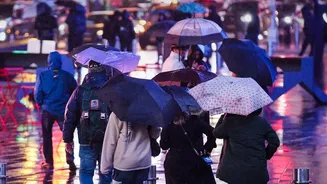
The monsoon season in India, roughly from June to September, is not just a period of consistent rain; it's a time of intense, unpredictable weather events. Heavy rainfall can lead to immediate and widespread disruption. Urban areas often face waterlogging
within hours, turning roads into rivers and bringing traffic to a standstill. In hilly regions, the risk of landslides becomes a serious concern, potentially closing major highways for days. This cascading effect means that the weather doesn't just delay you; it can disrupt the entire transportation and logistics network, making simple journeys unexpectedly complicated. Acknowledging this unpredictability is the first step toward building a resilient travel plan.
Navigating Turbulent Skies and Airports
Air travel is often seen as the fastest way to get around, but the monsoon presents unique challenges. Heavy rain, strong winds, and poor visibility frequently lead to flight delays, diversions, and even cancellations. Airports, particularly major hubs like Mumbai and Delhi, can see a significant increase in disruptions during peak monsoon months. A delay in one city can create a ripple effect across the country's flight network. Airlines may offer flexible rebooking policies, but this doesn't save your schedule. Flying a day early for a critical event isn't being overly cautious; it’s a practical strategy to ensure you arrive on time, even if your initial flight is cancelled or significantly delayed.
Challenges on Road and Rail
Ground transportation is equally, if not more, vulnerable to monsoon weather. Train services, the backbone of Indian travel, often face slowdowns, diversions, or cancellations due to waterlogged tracks or damage to railway lines. Recent monsoons have seen numerous services suspended, leaving passengers stranded. Road travel comes with its own set of risks. Wet roads reduce tyre grip and braking efficiency, making driving more hazardous. Beyond the immediate danger, waterlogged streets hide potholes and debris, while highways can be blocked by fallen trees or landslides. This makes road trips unpredictable; a journey that normally takes a few hours could stretch into an entire day.
The Ripple Effect on Important Events
Whether it's a wedding, a corporate conference, or a family gathering, the success of a critical event relies on timing. During the monsoon, event planners consider rain a serious factor affecting everything from venue choice to guest arrivals. Even if your venue is indoors, your guests, vendors, and suppliers still need to travel to get there. Widespread travel disruptions mean key people might arrive late or not at all. Deliveries of essential items like food, flowers, or technical equipment can be delayed. The best-laid plans can fall apart if there isn't a buffer to absorb these logistical hiccups. Building margin into the event schedule itself, perhaps by having key participants arrive a day early, can be a saving grace.
How Much Buffer Time Is Enough?
There is no single answer, but a good rule of thumb is to add at least half a day of buffer for short-distance travel and a full day for long-distance journeys or flights. For an unmissable event like your own wedding or a crucial business presentation, arriving a full 24 to 36 hours in advance is a wise investment in peace of mind. This margin allows you to accommodate a cancelled flight, a rerouted train, or a hopelessly blocked road without panicking. Use the extra time to relax, acclimatise, or make final preparations. For event hosts, communicating with guests and vendors about potential delays and having contingency plans, such as backup indoor spaces, is essential.