


Why Less Oil is More in Summer
The intense heat of an Indian summer places unique demands on our digestive system. Digestion is a metabolic process that naturally generates internal heat. When you consume heavy, fatty, and oil-laden foods, your body has to work much harder to break
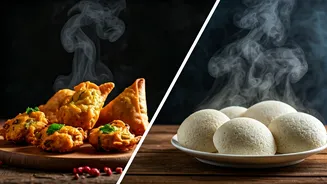
them down. This extra effort produces even more internal heat, leading to that familiar feeling of sluggishness, bloating, and discomfort. Fried foods like samosas, pakoras, and bhajis, while delicious, are particularly challenging for the body to process in hot weather. Reducing your oil intake is a simple and effective way to lessen this digestive load, helping your body stay cooler and more comfortable from the inside out.
Embrace Lighter Cooking Methods
Cutting back on oil doesn't mean your food has to be bland. Instead of deep-frying, explore other cooking techniques that enhance flavour without the excess fat. Steaming vegetables helps retain their nutrients and natural crunch. Grilling or using a tandoor imparts a smoky flavour to paneer, chicken, or vegetables with minimal oil. Sautéing with a splash of water or broth instead of a pool of oil (a technique called water-sautéing) is another excellent option. Even when you do use oil, choose lighter options like coconut oil or ghee in moderation, and focus on using just enough to coat the pan rather than submerging your ingredients.
Hydration Beyond Just Water
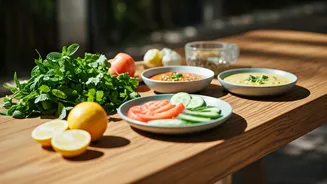
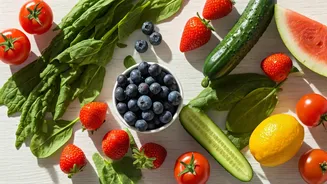
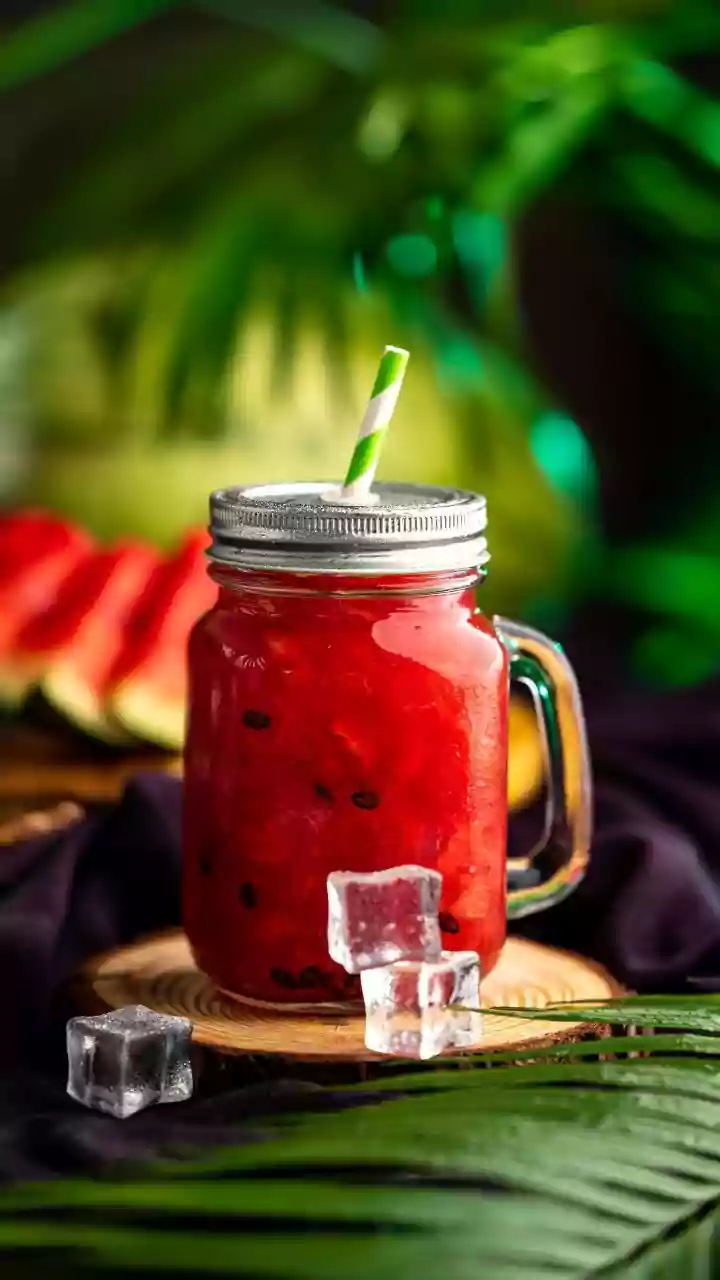
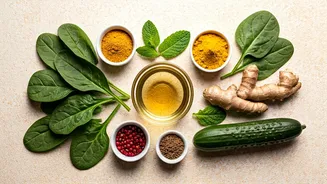
Balance in summer begins with hydration. While drinking plenty of water is crucial, you can also ‘eat’ your water. Incorporate fruits and vegetables with high water content into your daily diet. Cucumbers, watermelon, muskmelon (kharbuja), tomatoes, and leafy greens are all fantastic choices. They not only provide essential hydration but are also packed with vitamins, minerals, and electrolytes that are lost through sweat. A bowl of cucumber and tomato salad or a plate of juicy watermelon can be more refreshing and hydrating than a simple glass of water alone. Traditional drinks like chaas (spiced buttermilk) and coconut water are also superb for replenishing fluids and electrolytes.
The Wisdom of Cooling Foods
Traditional Indian wisdom has long recognized the power of 'cooling' foods to balance body temperature. Curd (dahi) is a probiotic-rich superstar; enjoy it plain, as raita, or in lassi. Mint (pudina) is another classic cooling agent, perfect for chutneys, drinks, or garnishes. Other cooling spices and herbs include fennel seeds (saunf), coriander, and cardamom. These ingredients not only add a refreshing flavour to your meals but also aid digestion and help counteract the heat. Including these elements in your diet is a simple, time-tested way to align your eating habits with the season.
Building a Balanced Summer Plate
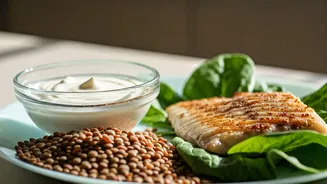
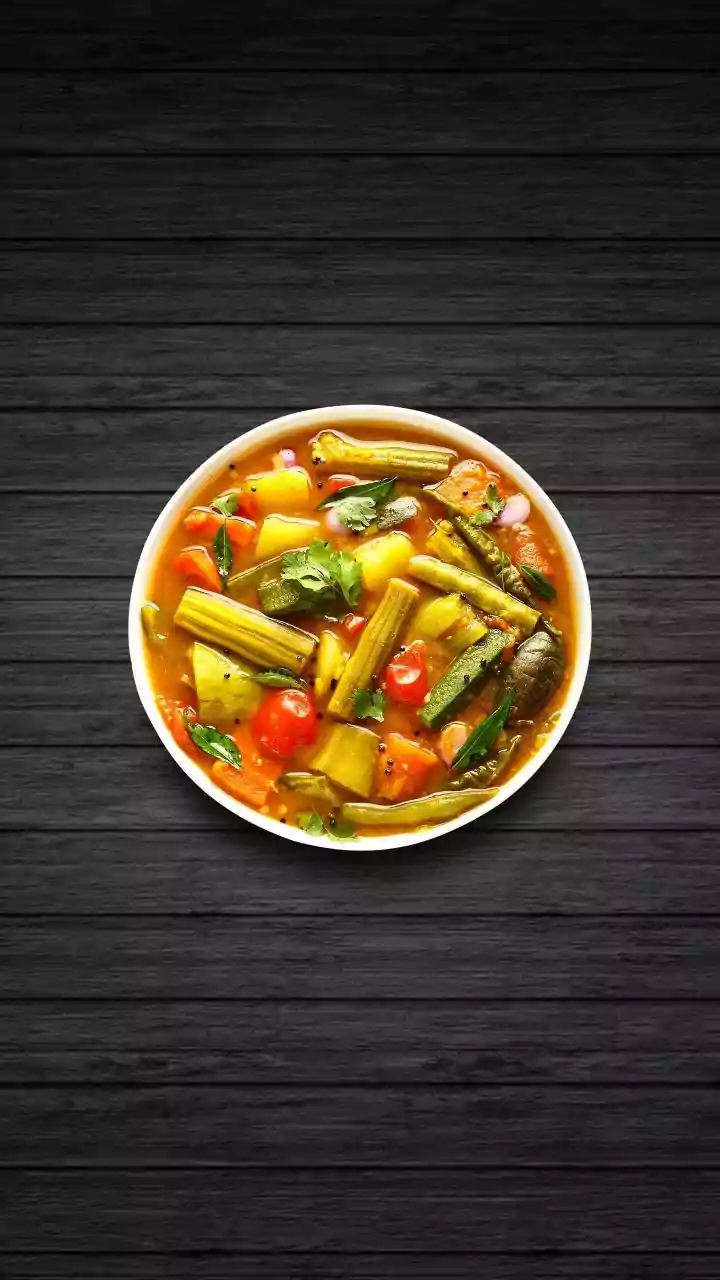
So, what does a balanced summer meal look like? Aim for a plate that is colourful and varied. Fill at least half your plate with non-starchy vegetables like leafy greens, beans, capsicum, and cauliflower. Dedicate a quarter of your plate to a lean protein source such as dal, lentils, chickpeas, grilled chicken, or fish. The final quarter can be for complex carbohydrates like whole wheat roti, brown rice, or millets, which provide sustained energy without a heavy feeling. This combination ensures you get a good mix of fibre, protein, vitamins, and energy, keeping you full and nourished without weighing you down.