




The Rise of Co-Living in Urban India
Across cities like Bengaluru, Mumbai, and Delhi-NCR, co-living is rapidly redefining the rental market for young professionals and students. Driven by skyrocketing real estate prices and the need for flexibility, this housing model offers a practical
solution to urban density. However, the model's success hinges on more than just affordability; it requires intelligent design. The primary challenge is balancing the need for a vibrant community with an individual's fundamental need for privacy and personal space. Traditional, bulky furniture fails in these environments, often consuming valuable square footage and offering no room for personal expression. This has created a clear demand for a new approach to furnishing that is as dynamic as the lives of the residents themselves.
What are Modular and Multi-Functional Designs?
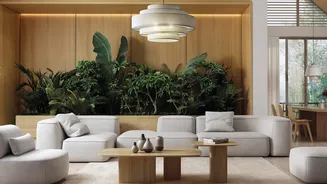
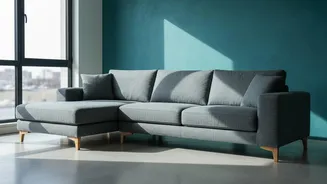
Though often used together, these concepts solve distinct problems. Modular furniture consists of separate, standardised units that can be combined in various configurations. Think of a sofa made of individual sections that can form a large L-shape, two separate small couches, or a long bench. Multi-functional furniture, on the other hand, is designed to serve two or more purposes. This includes classics like a sofa that folds out into a bed, a coffee table that rises to become a dining table, or an ottoman with hidden storage inside. When combined, they create a powerful toolkit for adapting a single room for multiple uses—living, working, sleeping, and socialising—without clutter.
Maximising Every Square Foot
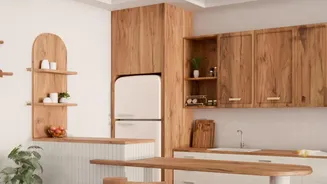
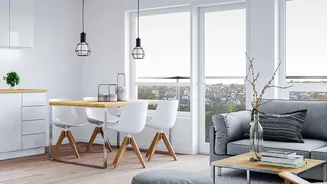
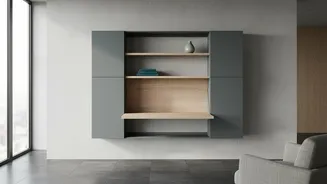
In a compact co-living unit, floor space is gold. The key advantage of modular and multi-functional decor is its ability to maximise utility. Instead of separate pieces of furniture for every activity, one smart item can do the work of three. A bed with built-in drawers eliminates the need for a separate chest, while wall-mounted desks or shelves can fold away when not in use, instantly clearing the floor. This approach also encourages the use of vertical space, drawing the eye upward and making a room feel larger than it is. By choosing furniture that works harder, residents can enjoy a more open, organised, and breathable living environment, which is crucial for well-being in a bustling city.
Enabling Personalisation in Shared Homes
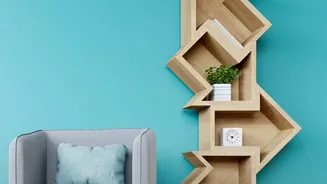
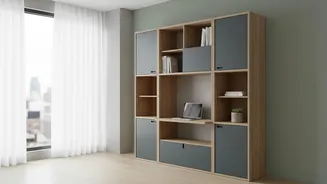
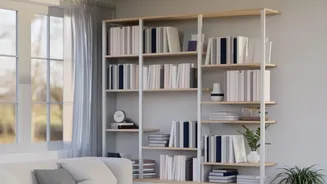
One of the biggest drawbacks of temporary or shared housing is the inability to make it feel like your own. Multi-functional and modular pieces offer a solution. A modular shelving unit can be configured to fit a specific nook, allowing a resident to display personal books and keepsakes. A movable planter can act as a natural room divider, creating a sense of a private corner within a larger shared area. This ability to customise and reconfigure allows residents to exert control over their immediate environment without making permanent, structural changes. It empowers them to carve out a personal identity in a space that is, by definition, communal.
A Smart, Sustainable Choice for Modern Renters
The appeal of this design ethos extends beyond aesthetics and functionality. For a generation that values mobility and sustainability, investing in adaptable furniture is a financially savvy decision. Unlike a traditional sofa that may not fit in a future apartment, a modular one can be reconfigured or downsized as needed. This longevity reduces waste and the need to repeatedly buy new furniture with every move. Furthermore, many modern modular designs are created with eco-friendly materials, aligning with a growing desire for sustainable living practices. It represents a shift towards conscious consumption—choosing items that are built to last and adapt, rather than to be disposed of.