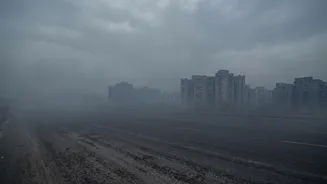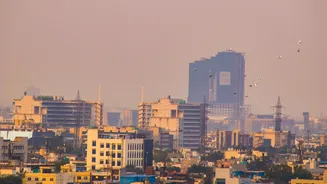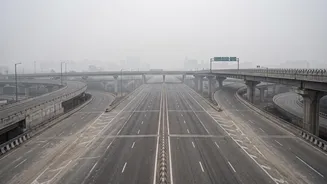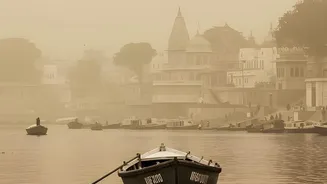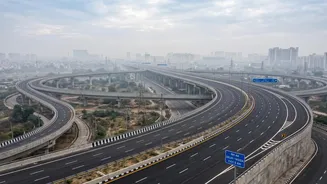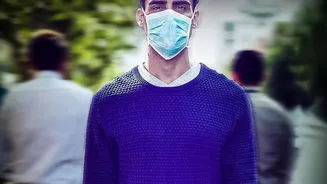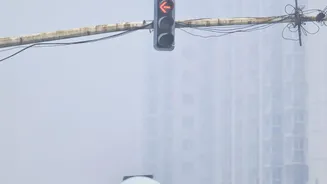





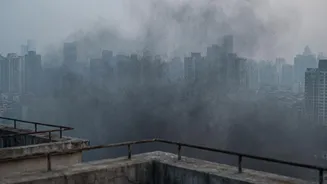
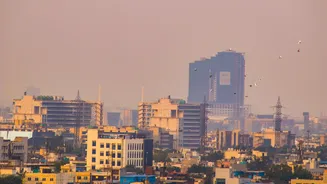
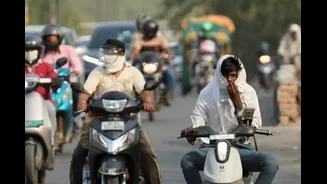
As winter's chill begins to settle over Delhi-NCR, the familiar haze has returned. Air quality has officially dropped into the 'poor' category, prompting authorities to implement the first stage of pollution control measures known as GRAP.
What is GRAP and Why Was It Activated?
The Graded Response
Action Plan, or GRAP, is a set of emergency measures that are enforced in stages to combat worsening air pollution in the Delhi-NCR region. Think of it as a preemptive rulebook designed to stop bad air from getting even worse. It was activated on October 21 after the city's average Air Quality Index (AQI) jumped from 179 ('moderate') to 244 ('poor'). This was Delhi's first 'poor' air day of the season, a threshold that automatically triggers Stage 1. The Commission for Air Quality Management (CAQM), the body that implements GRAP, acted because forecasts predict the air quality is likely to remain poor in the coming days due to weather patterns that trap pollutants.
The Rules of Stage 1 Explained
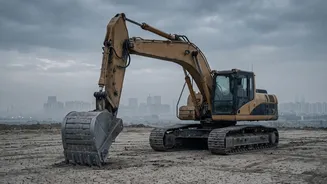
GRAP Stage 1 focuses on controlling key sources of coarse dust and particulate matter. The measures are less about restricting public movement and more about curbing specific polluting activities. Key restrictions now in effect across the entire NCR include a strict ban on all open burning of waste, including garbage and biomass. At construction and demolition sites, stringent dust control measures must be followed, such as regular water sprinkling and covering materials. There is also a ban on the use of coal and firewood in tandoors at hotels, restaurants, and other open eateries. Finally, the use of diesel generator sets is restricted, and they can only be operated for emergency and essential services.
How It Affects Your Daily Life
For the average citizen, GRAP Stage 1 doesn't impose major disruptions like a ban on private cars or widespread work-from-home mandates. However, you can expect to see increased enforcement on the roads. There will be a crackdown on visibly polluting vehicles and stricter checking for valid Pollution Under Control (PUC) certificates. The existing ban on diesel vehicles older than 10 years and petrol vehicles older than 15 years will be more rigorously enforced. While all construction is not banned, projects on plots of 500 square metres or more must adhere to approved dust management plans to continue operating. Authorities have urged citizens to do their part by keeping vehicle engines tuned, ensuring proper tyre pressure, and immediately reporting any instances of open burning or construction dust violations.
The Health Angle
Even at the 'poor' level, air pollution poses significant health risks. The tiny PM2.5 and PM10 particles that dominate the haze can penetrate deep into the lungs, irritating airways and worsening conditions like asthma and other chronic respiratory illnesses. Doctors emphasize that while these early measures won't purify the air overnight, they are crucial for reducing exposure before pollution levels climb to 'severe' or 'severe plus' categories. For vulnerable groups, including children, the elderly, and those with existing heart or lung conditions, it is advisable to limit strenuous outdoor activity and monitor real-time AQI levels before venturing out.
What Comes Next?
GRAP is designed to be incremental. If the air quality continues to deteriorate and crosses an AQI of 300 to enter the 'very poor' category, Stage 2 will be invoked. This would bring stricter measures, such as increasing parking fees to discourage private vehicle use and further restrictions on diesel generators. The CAQM, along with weather agencies like the IMD, will continuously monitor the situation. For now, the implementation of Stage 1 serves as a critical first line of defence and a clear warning sign that Delhi's long and challenging pollution season has officially begun.