






The Old Fitness Mantra: More Cardio, More Results
For years, the fitness gospel was simple: to lose weight, you needed to burn calories, and cardio was the most efficient way to do it. The logic was straightforward—an hour on the elliptical burns more calories than an hour of lifting weights, so cardio became
the default for anyone looking to shed fat. This created a culture where gym-goers would religiously clock their miles on the treadmill, believing that more sweat and more time spent in the “fat-burning zone” was the undisputed key to a leaner body. The focus was almost entirely on the calories burned during the workout itself, a metric that cardio machines conveniently displayed, reinforcing the idea that this was the most important number in your fitness journey.
The Metabolic Shift: Building a Stronger Engine
The new understanding of fitness pivots from short-term calorie burn to long-term metabolic health. The star player in this new approach is muscle. Unlike fat, muscle tissue is metabolically active, meaning it burns calories even when you are at rest. By engaging in strength training, you build more lean muscle mass, which in turn increases your resting metabolic rate (RMR). This means your body becomes a more efficient calorie-burning machine, 24/7, not just during the hour you spend exercising. Furthermore, intense strength training sessions trigger a phenomenon known as excess post-exercise oxygen consumption (EPOC), where your body continues to burn calories for hours, and sometimes even days, after your workout as it recovers and repairs muscle tissue.
More Than Muscle: The Longevity Equation
The benefits of prioritising strength training extend far beyond aesthetics and metabolism. It is a powerful tool for healthy aging. As we get older, we naturally lose muscle mass in a process called sarcopenia. Regular resistance training directly combats this, helping maintain functional strength for everyday activities and preserving independence in later life. Moreover, lifting weights puts beneficial stress on your bones, stimulating them to grow stronger and denser. This is a crucial defence against osteoporosis, a condition that makes bones brittle and prone to fractures. Strength training also improves insulin sensitivity, helps maintain better hormone balance, and can reduce age-related abdominal fat more effectively than cardio alone.
The Mental Reps: Strength, Confidence, and Well-being
The shift towards muscle-building is also fuelled by its significant psychological benefits. While all exercise is a known mood booster, the process of strength training offers a unique sense of accomplishment and empowerment. The tangible nature of progressive overload—lifting a little heavier or doing one more rep than last time—provides clear, measurable progress. This fosters a sense of competence and self-esteem that isn't tied solely to the number on a scale. For many, building physical strength translates directly into a feeling of mental fortitude and confidence, reshaping their relationship with their body from one of criticism to one of appreciation for what it can achieve.
So, Should You Ditch Cardio Completely?
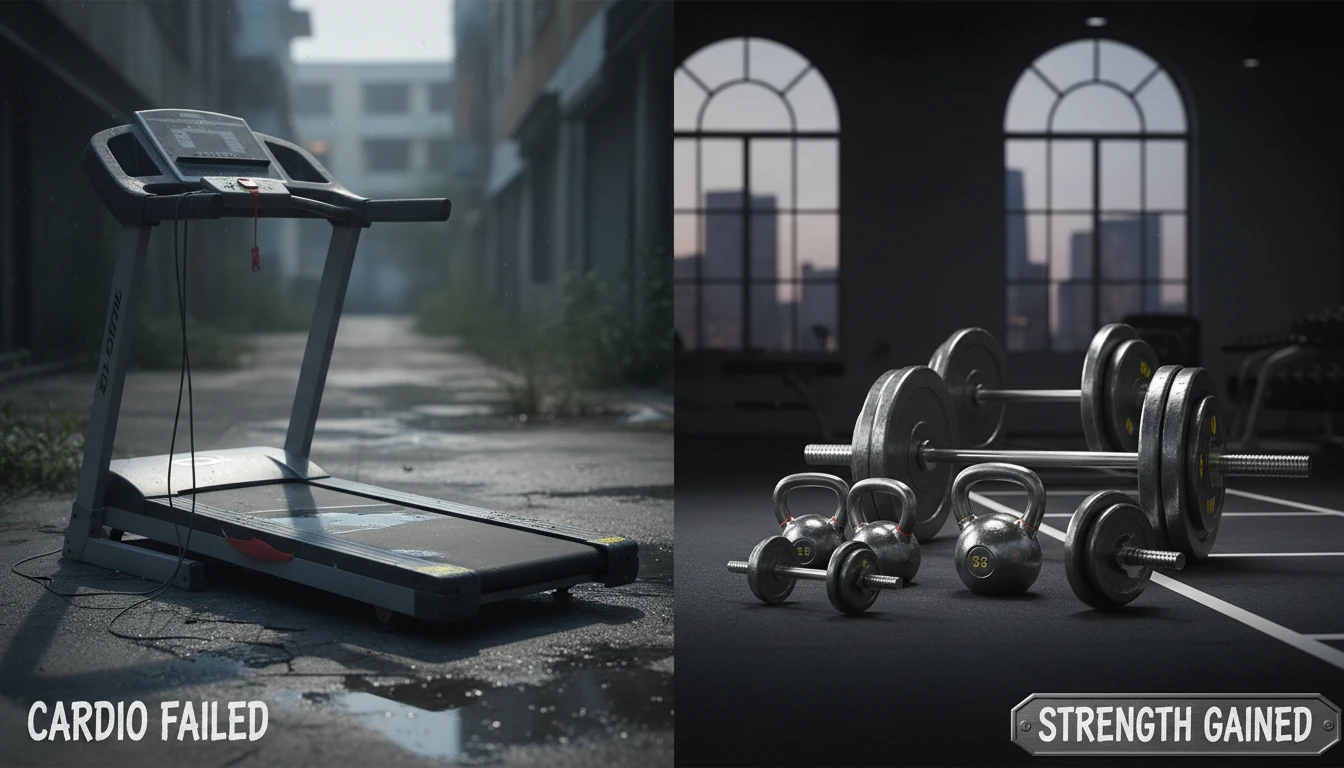
Absolutely not. The headline-grabbing idea of “replacement” is more accurately a reprioritisation. Experts agree that the optimal fitness plan includes both strength training and cardiovascular exercise. Cardio remains essential for heart and lung health, endurance, and managing stress. The modern, smarter approach to fitness uses strength training as the foundation—to build a strong, metabolically active body—and complements it with cardio for cardiovascular conditioning and overall health. The recommendation from health bodies like the CDC often includes at least two days of muscle-strengthening activity per week alongside 150 minutes of moderate-intensity aerobic activity. The goal isn't to choose one over the other, but to create a balanced routine that builds a resilient, healthy body for life.