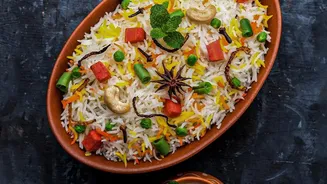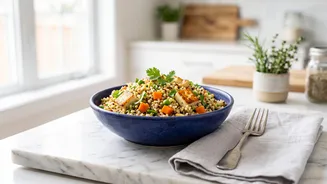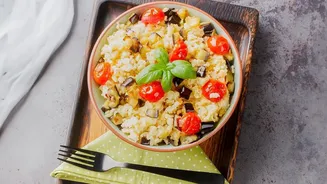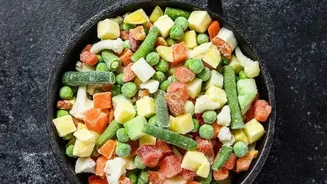







Ever walk into the vegetable market to find your usual favourites are suddenly expensive or unavailable? This common experience is a great opportunity to embrace flexible, seasonal cooking—a smarter, tastier, and healthier way to eat.
Why Cook With The Seasons?
Following the seasons
in your kitchen is one of the best decisions you can make for your health and your wallet. When vegetables are in season, they are at their peak in terms of flavour and nutritional value. They are also more abundant, which naturally brings down their cost. This market-to-table approach means you are eating produce that is fresher, often sourced from local growers, which supports the community's agricultural backbone. Seasonal eating isn't a restriction; it's an invitation to be creative. It encourages you to try new vegetables, explore different textures and flavours, and break out of a cooking rut. Instead of sticking rigidly to a recipe, you learn to adapt, making your cooking more intuitive and enjoyable. This philosophy is perfectly captured in a versatile and forgiving dish like a vegetable pulao, which can be reinvented throughout the year.
Millets: A Healthier Grain for Your Pulao
While basmati rice is the traditional choice for pulao, millets offer a fantastic, nutrient-dense alternative. These ancient Indian grains are making a major comeback for good reason. Compared to polished white rice, millets are nutritional powerhouses. They are significantly higher in dietary fibre, which aids digestion and keeps you feeling full for longer, making them excellent for weight management. Millets also generally contain more protein, iron, and calcium. For instance, finger millet (ragi) is exceptionally rich in calcium, while foxtail millet offers a good dose of protein and iron. Furthermore, millets have a lower glycemic index than white rice, meaning they release sugar into the bloodstream more slowly. This helps in managing blood sugar levels and provides sustained energy without the sharp spikes and crashes. Varieties like foxtail, kodo, or little millet work wonderfully in pulao, as their grains can remain separate and fluffy when cooked correctly.
Core Recipe: The Flexible Vegetable Millet Pulao
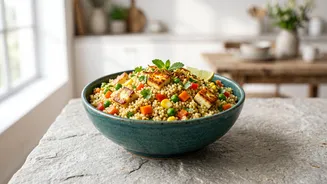
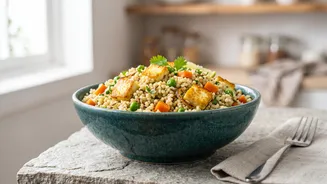
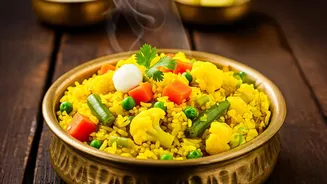
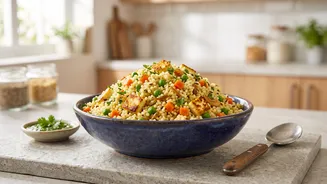
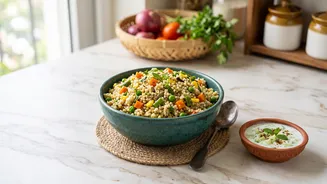
This recipe is a template, designed for adaptation. The spices and method form the base, while the vegetables can be changed depending on what’s fresh and available. Ingredients: 1 cup millet (foxtail or kodo work well), rinsed and soaked for 20-30 minutes. 2 cups water or thin vegetable broth. 2 tablespoons ghee or oil. 1 teaspoon cumin seeds. 1 bay leaf, 2-3 cloves, 1-inch cinnamon stick. 1 medium onion, thinly sliced. 1 teaspoon ginger-garlic paste. 1/2 teaspoon turmeric powder. 1 teaspoon garam masala. 2 cups mixed seasonal vegetables, chopped. Salt to taste. Fresh coriander for garnish. Method: 1. Heat ghee or oil in a pressure cooker or heavy-bottomed pan. Add the whole spices (cumin, bay leaf, cloves, cinnamon) and let them sizzle. 2. Add the sliced onions and sauté until they turn soft and golden. 3. Stir in the ginger-garlic paste and cook for another minute until fragrant. 4. Add all your chopped vegetables, along with turmeric, garam masala, and salt. Sauté for 2–3 minutes. 5. Drain the soaked millet completely and add it to the pot. Stir gently for a minute to toast the grains. 6. Pour in the water and bring the mixture to a boil. 7. If using a pressure cooker, cook for 2 whistles on a low flame. If using a pan, cover with a tight lid, reduce the flame to low, and cook for $15–$20 minutes until all water is absorbed.$ 8. Let it rest for $5–$10 minutes before opening the lid.$ Fluff gently with a fork and garnish with coriander.
Seasonal Vegetable Combinations for Your Pulao
Here’s how you can adapt your pulao through the Indian seasons for the best flavour and value:$ Winter (November - February): This is the season of crisp,$ sweet vegetables.$ A classic winter combination includes carrots,$ green peas,$ and French beans.$ You can also add cauliflower florets or chopped spinach for extra nutrition.$ The sweetness of winter carrots and peas makes for a particularly fragrant and beloved version of pulao.$ Summer (March - June): During the hot months,$ opt for vegetables with high water content.$ Bottle gourd (lauki), ridge gourd (turai), and pumpkin are excellent choices.$ While less common in pulao,$ they cook down beautifully and absorb the spices well.$ Pair them with staples like potatoes and tomatoes.$ Monsoon (July - October): The rainy season brings a bounty of gourds and greens.$ Use vegetables like pointed gourd (parwal), ivy gourd (tindora), and sweet corn.$ Hardy greens like amaranth leaves (chaulai) can also be added.$ Vegetables like okra (bhindi) and brinjal are also abundant$ and can be used to create a unique$ and flavourful pulao.