
From Looking Strong to Being Strong
The fitness world is embracing a philosophy known as functional fitness, and it’s reshaping why people lift weights. This approach prioritises training for real-world activities over purely aesthetic goals. Instead of isolating muscles to make them look
bigger, functional training focuses on movements that you use in your daily life. The goal isn't just to have a 'gym body', but to have a body that can easily carry groceries, lift a child without back pain, or simply get up from the floor with ease. It’s a move towards building a body that serves you well long after you’ve left the gym.
What Exactly Is Functional Fitness?
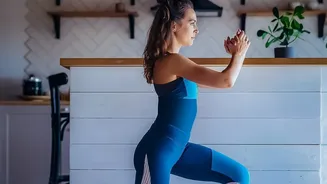
Functional fitness uses exercises that mimic natural, everyday actions like squatting, lifting, pushing, and pulling. Think of a squat as the motion of sitting in a chair, a deadlift as the proper way to pick up a heavy box, and an overhead press as placing an item on a high shelf. Unlike aesthetic training which often focuses on one muscle at a time (like a bicep curl), functional exercises engage multiple muscle groups and joints simultaneously. This integrated approach improves not just strength, but also coordination, balance, and core stability, training your body to work as a single, efficient unit.
The Real-World Payoffs
The benefits of this training style become obvious in everyday life. A consistent routine can make daily tasks feel significantly easier and safer. This could mean having the core stability to avoid posture-related pain after a long day at a desk or the mobility to bend down and tie your shoes without stiffness. One of the most significant advantages is injury prevention. By strengthening the body's movement patterns, you reduce the risk of strains and injuries from common activities, as muscles and joints are better prepared to handle physical stress.
A Foundation for Longevity
This shift is also tied to a growing interest in 'longevity'—the idea of not just living longer, but living better and more capably as we age. Functional strength training is a key pillar of this mindset. It helps maintain bone density, joint health, and muscle mass, which are all crucial for staying independent in later years. Building practical strength gives you the resilience to climb stairs, carry your own bags, and maintain an active lifestyle, boosting confidence in your body's abilities. It’s an investment in your future self, ensuring you remain strong and mobile for decades to come.
How to Get Started
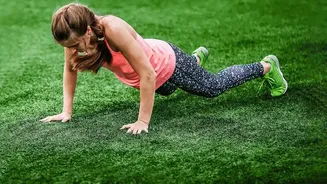
Getting started with functional fitness is more accessible than you might think. It doesn't require lifting massive weights. You can begin with fundamental bodyweight movements like squats, lunges, and planks. The key is to focus on mastering the form of core movement patterns: squat, hinge, push, pull, and carry. As you get stronger, you can incorporate tools like dumbbells, kettlebells, or resistance bands. For beginners, it's wise to work with a certified trainer who understands functional movement to ensure you're performing exercises safely and effectively. The emphasis should always be on quality of movement, not just the quantity of weight lifted.