

More Than a Colour Palette
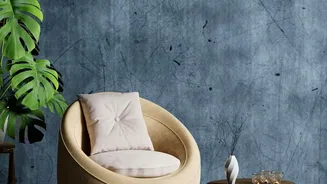
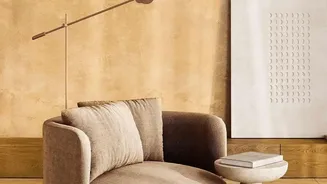
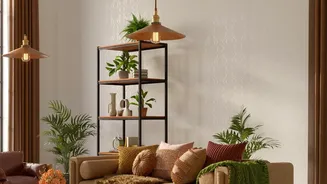
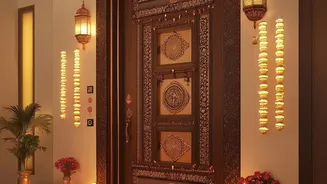
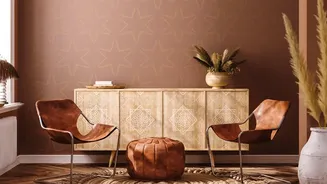
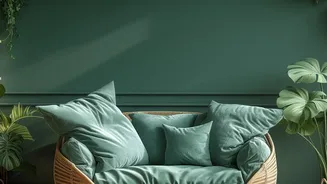
First, let's define what "earthy décor" truly means. It’s a design philosophy that goes beyond just colour. It's about creating a sensory experience that connects us to the natural world. The core elements include a colour scheme of warm neutrals, browns,
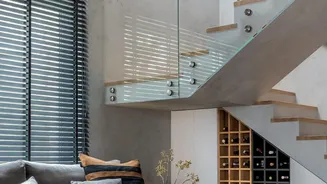
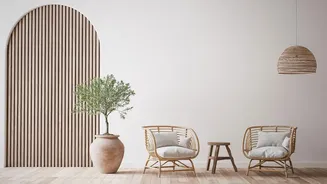
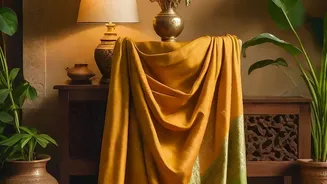
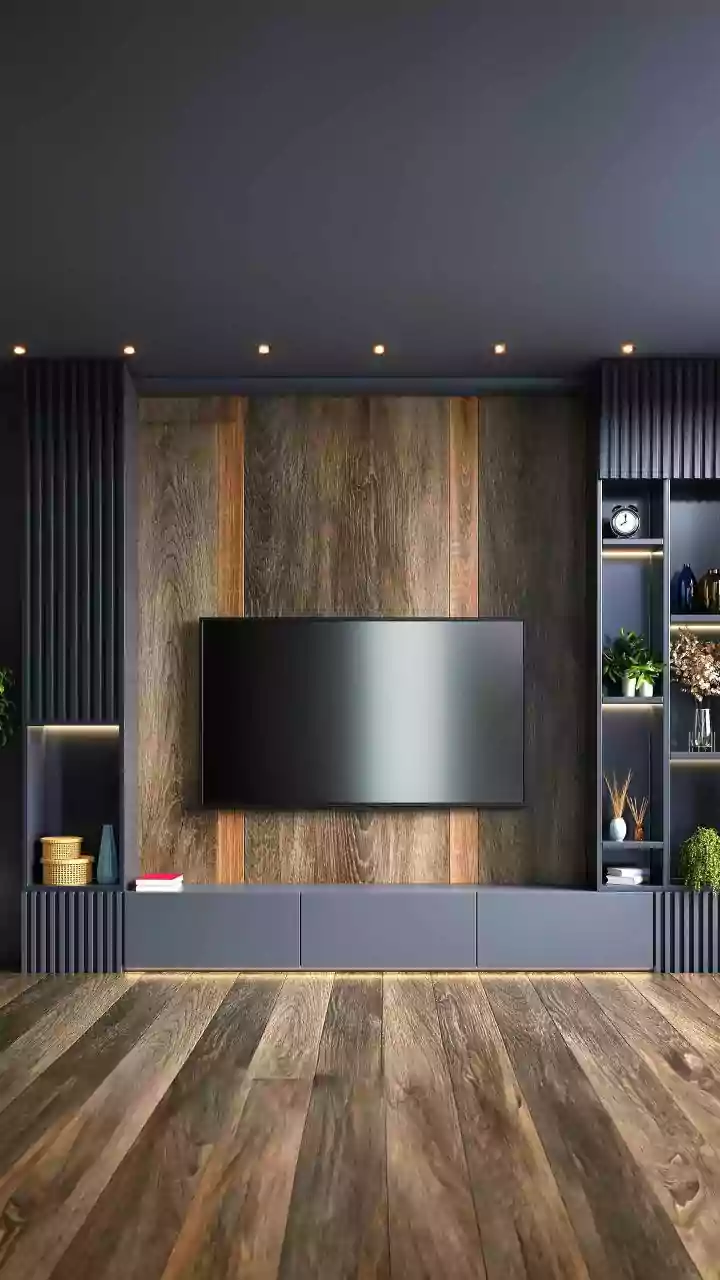
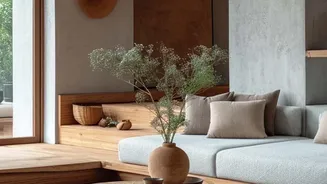
muted greens, and rich terracotta hues. But more importantly, it emphasizes natural materials and textures. Think furniture made from reclaimed wood, cane, and bamboo; floors of natural stone; and textiles like jute, linen, and organic cotton. This style embraces imperfection—the visible grain in a wooden table, the uneven texture of a handmade clay pot, or the raw finish of a stone wall. It’s a move away from the synthetic and mass-produced towards authenticity and raw beauty.
A Search for Calm and Wellness
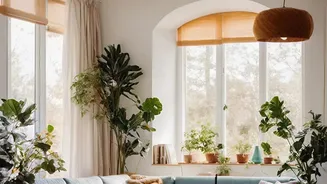
One of the biggest drivers behind this trend is the collective search for peace and mental well-being. In dense, fast-paced urban environments, homeowners are looking to create a calming retreat from the outside world. Earthy tones and natural textures are inherently soothing because they subconsciously connect us to the outdoors, which has been shown to reduce stress. This approach is a cornerstone of biophilic design—the practice of integrating nature into our built environments to improve health and happiness. By bringing in plants, maximising natural light, and using materials like wood and stone, this style helps bridge the gap between our indoor, screen-heavy lives and the natural world our senses crave.
A Return to Indian Roots
While it may feel like a modern trend, the move towards earthy décor is also a homecoming for Indian design. For centuries, traditional Indian architecture has relied on locally sourced, climate-appropriate materials. Think of the terracotta tiles that keep homes cool, the breathable lime-plastered walls of old havelis, teak furniture built to last generations, and the use of jute and cotton textiles. Today's designers and homeowners are reinterpreting this heritage for contemporary living. Materials our grandparents favoured, like cane and jute, are now being used in modern furniture designs. This trend is not an import; it's a modern celebration of India's deep-rooted and practical design traditions.
The Sustainability Factor
As awareness about environmental impact grows, so does the desire for sustainable choices at home. The earthy décor trend aligns perfectly with this eco-conscious mindset. It prioritises materials that are renewable, reclaimed, or locally sourced, which reduces the carbon footprint associated with transportation and production. Using reclaimed wood prevents deforestation, while fast-growing resources like bamboo and jute offer durable and green alternatives to synthetic products. This approach also champions local craftsmanship, supporting artisans who work with traditional, sustainable techniques. By choosing materials that are both beautiful and kind to the planet, homeowners are making a statement that style and sustainability can, and should, go hand in hand.
Bringing the Earthy Look Home
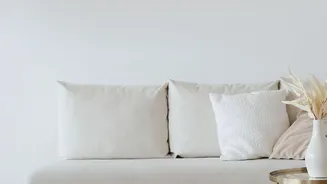
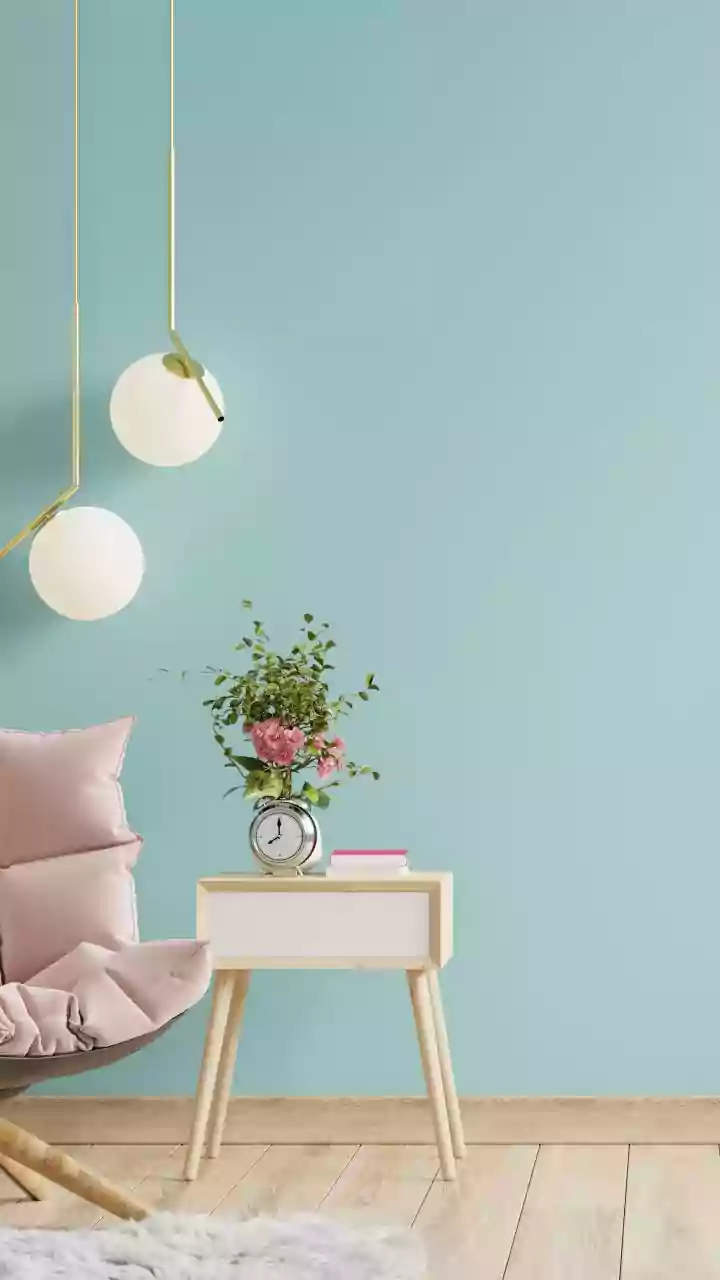
Incorporating this style doesn't require a complete overhaul. You can start small. Introduce a few terracotta planters or handmade ceramic vases. Swap synthetic cushion covers for ones made of linen or block-printed cotton. A jute rug can instantly add warmth and texture to a living room. When choosing colours, start with warm neutrals like beige or cream for larger surfaces like walls, and then layer in deeper earthy tones like olive or rust through accent pieces. The key is to focus on layering different natural textures. For instance, pair a smooth wooden coffee table with a rough-woven rug and soft linen curtains to create a space that is visually rich and deeply comforting.