





Respect the Altitude, Acclimatise Slowly
Acute Mountain Sickness (AMS) is a significant risk in Spiti, where Kaza sits at roughly 12,000 feet. It occurs when your body doesn't adjust to lower oxygen levels at a high altitude. Symptoms include persistent headaches, dizziness, nausea, and fatigue.
To prevent it, plan a gradual ascent. The route via Shimla and Kinnaur is highly recommended as it allows your body to acclimatise over several days. Spend at least one night in a lower-altitude town like Kalpa or Nako before proceeding to Kaza. Avoid strenuous activity for the first few days, stay hydrated by drinking plenty of water, and avoid alcohol.
Prepare Your Vehicle for a Beating
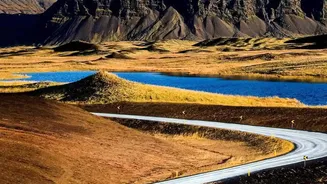
The roads in Spiti are notoriously tough, featuring a mix of paved sections, gravel, and rocky patches, especially on the Manali-Kaza highway. Before you start, get your vehicle thoroughly serviced. Pay close attention to the brakes, tyres, clutch, and engine coolant. A vehicle with high ground clearance, like an SUV, is ideal, though not strictly mandatory if you are an experienced driver. Carry a complete toolkit, including a puncture repair kit, an air compressor or foot pump, and jump-start cables. Also, pack a spare key and all necessary documents like your RC, insurance, and PUC certificate.
Watch the Weather and Road Status
Autumn weather in Spiti is unpredictable. While days can be sunny and crisp, temperatures drop sharply at night, often falling below freezing. This can lead to the formation of black ice on shaded parts of the road, which is extremely dangerous. Early snowfall is also a possibility, especially on high passes like Kunzum Pass, which can lead to road closures. Before and during your trip, regularly check for weather forecasts and road status updates from reliable sources like the Border Roads Organisation (BRO). Always start your day early to avoid driving after sunset, as visibility drops and risks increase.
Pack in Layers and Bring Essentials
Layering is the key to comfort in Spiti's fluctuating temperatures. Your packing list should include thermal inners, fleece jackets, and a windproof and waterproof outer jacket. Woolen socks, gloves, and a cap are essential, as are sturdy, waterproof trekking shoes with good grip. Due to the harsh sun at high altitudes, sunglasses with UV protection, sunscreen (SPF 50+), and lip balm are non-negotiable. As services become limited in autumn, it's wise to carry extra snacks, energy bars, and a thermos for hot water or tea.
Plan for Zero Connectivity
Mobile networks are sparse and unreliable in most of Spiti Valley. While BSNL and Jio may work in Kaza, you should not expect connectivity in most other areas. This makes it crucial to be self-sufficient. Download offline maps of the region on your phone before you leave. Carry a printed copy of your itinerary and hotel bookings. Inform your family or friends about your travel plan and expected check-in times. A power bank is a must-have gadget to keep your devices charged, as electricity can be intermittent in remote villages.
Carry Sufficient Cash and a Medical Kit
Digital payments are rarely an option in Spiti. While Kaza has an ATM, it is not always functional. It is essential to carry enough cash for your entire trip, covering fuel, accommodation, food, and emergencies. Your medical kit should contain more than just basic first-aid. Include medicines for headache, fever, stomach upset, and pain relief. Crucially, consult a doctor about carrying medication for AMS, such as Acetazolamide (Diamox). An oximeter to monitor your oxygen levels can also be a useful tool.