




What Exactly Are CAFE Norms?
Think of CAFE norms not as a rule for a single car, but as a report card for a carmaker's entire fleet. Instead of every model having to meet a specific mileage, the regulation looks at the sales-weighted average fuel consumption of all the passenger
vehicles a company sells in a year. This means a manufacturer can balance its portfolio; the high fuel consumption of a large SUV can be offset by selling more efficient small cars, hybrids, or electric vehicles (EVs). The goal is to push the entire industry towards greater overall fuel efficiency and lower carbon dioxide (CO2) emissions. These standards were first introduced in India in 2017.
The Big Jump from CAFE-II to CAFE-III
The new CAFE-III rules, which will be effective from April 2027 to March 2032, represent a significant tightening of standards. The current CAFE-II norms have a fleet-average CO2 target of around 113 g/km. Under CAFE-III, this target will become progressively stricter each year. For a manufacturer with an average fleet weight, the equivalent CO2 target will drop to about 94.8 g/km in the first year (FY2028) and further down to approximately 78.9 g/km by the final year (FY2032). That represents a total improvement of about 16.7% over the five-year period, forcing carmakers to innovate rapidly.
The EV and Hybrid Advantage
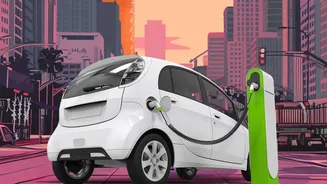
To help carmakers meet these tough targets, CAFE-III offers powerful incentives for green technologies. This is done through a system of 'super credits'. For compliance calculations, the sale of one battery electric vehicle (BEV) will count as three vehicles. This gives automakers a massive mathematical advantage for every EV they sell, helping to balance out their less efficient models. Hybrids also get a boost, with strong hybrids getting a 1.6x multiplier and plug-in hybrids (PHEVs) getting a 2.5x multiplier. This framework makes it clear that electrification is the government's preferred path to decarbonisation.
What About Small Cars and Other Technologies?
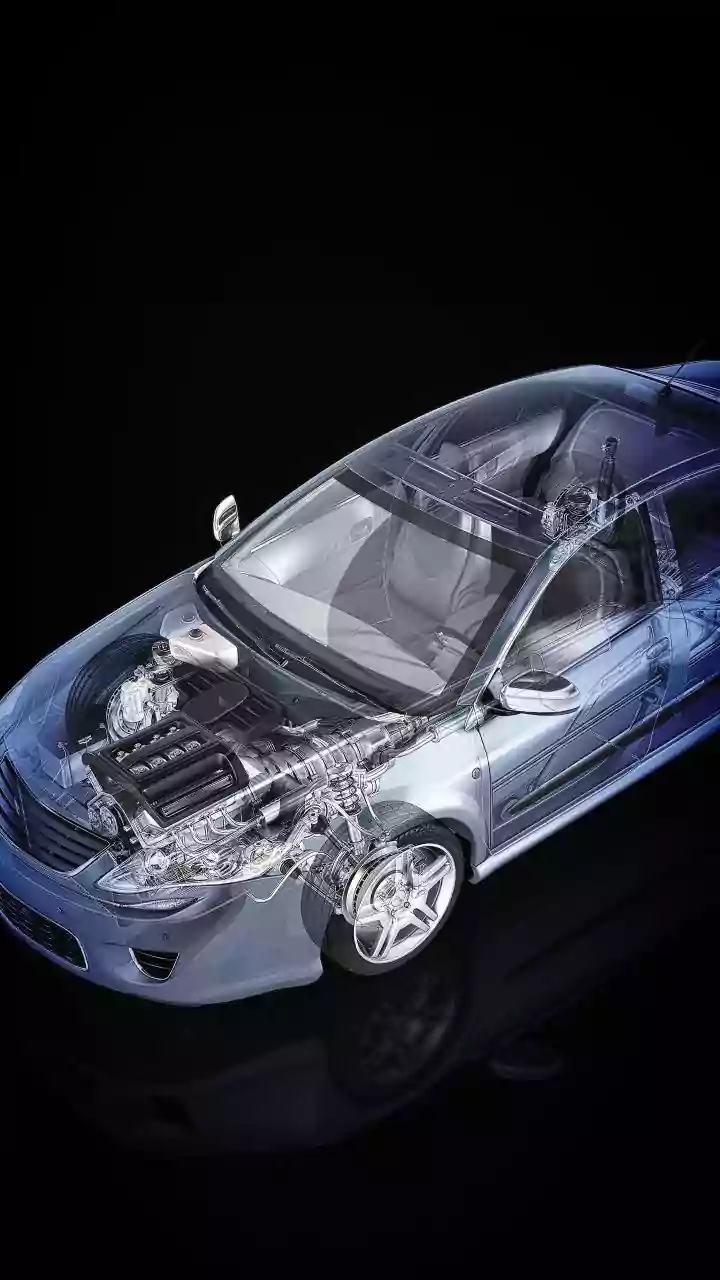
One of the most debated topics during the drafting of the norms was whether small cars should get special concessions. The final rules did away with any special relief for small cars. However, the system is linked to vehicle weight, meaning lighter fleets have different targets than heavier ones, which some analysts believe will still benefit makers of smaller cars. Beyond electrification, carmakers can earn smaller credits for incorporating up to 12 other efficiency-boosting technologies, such as start-stop systems, tyre-pressure monitoring, regenerative braking, and 6-speed-plus transmissions. Using alternative fuels like E20 petrol and flex-fuels also provides benefits.
The New Market of Credit Trading
A major change under CAFE-III is the formalisation of a credit and debit system. Manufacturers who beat their annual target will earn credits, which can be saved or traded. Those who fall short will accumulate debits. This creates a marketplace where a company with surplus credits (likely one with a strong EV and hybrid lineup) can sell them to a manufacturer struggling to meet its target. Companies can also buy credits from the Bureau of Energy Efficiency (BEE) to clear their debits, but at a price that increases each year, making compliance increasingly important.
What This Means for Car Buyers
While CAFE-III is a regulation for manufacturers, its effects will be directly felt by consumers. You can expect to see a wider range of electric and strong hybrid models launched in the coming years as companies race to improve their fleet average. Cars with purely internal combustion engines will have to become more efficient, likely incorporating features like turbocharging and mild-hybrid systems. The increased investment in R&D and advanced technology may also lead to higher vehicle prices. However, this could be offset by long-term savings from improved fuel economy, a key benefit for drivers in a country with high fuel costs.