






The Invasion of Humid Air
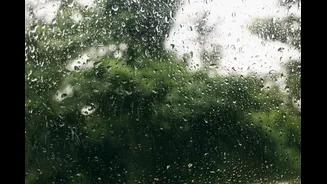
The main reason your home feels damp after a storm is the dramatic increase in outdoor humidity. When it rains, water evaporates from wet surfaces, saturating the air with moisture. This moisture-laden air doesn't just stay outside; it finds its way into
your home through ventilation, open doors, windows, and even tiny, invisible cracks in the building's structure. Because most homes are not perfectly airtight, there's a constant exchange of air between the inside and outside. After a downpour, you are essentially importing this highly humid air, causing the relative humidity indoors to spike. This is why even a well-sealed room can start to feel clammy and uncomfortable.
Condensation: The Invisible Intruder
Once that warm, moist air is inside, another process begins: condensation. This happens when the humid air comes into contact with a cooler surface. Think of the water droplets that form on the outside of a cold glass on a hot day. The same thing occurs in your home. After rainfall, exterior walls, windows, and even metal pipes can become cooler than the indoor air. As the warm, moist indoor air touches these surfaces, it rapidly cools, releasing its water content as liquid droplets. This process, called condensation, can leave a film of moisture on your walls and windows, making them feel wet to the touch even when there are no leaks.
When Your Walls Act Like a Sponge
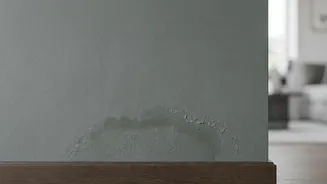
Building materials themselves play a huge role in post-rain dampness. Materials like brick, concrete, and plaster are naturally porous, meaning they are filled with tiny, interconnected channels or pores. Through a phenomenon known as capillary action, these materials can absorb water from the ground, much like a paper towel soaks up a spill. After heavy rain, the ground becomes saturated, and this water can be drawn upwards into the foundation and walls of your home, defying gravity. This process, often called 'rising damp', can make the lower parts of your walls feel particularly damp and may carry salts from the ground that can damage plaster over time.
The Lingering Threat of Trapped Moisture
The combination of high humidity, condensation, and water absorption creates the perfect breeding ground for mould and mildew. These fungi thrive in damp, warm environments and can begin to grow on walls, ceilings, and furniture. Mould not only creates a musty odour but can also pose health risks, triggering allergies and worsening respiratory conditions like asthma. Because porous materials absorb and hold onto water, it takes a long time for a home to fully dry out after a period of heavy rain. The moisture trapped within the walls and air continues to create a damp environment long after the sun has come out, which is why the problem often feels persistent.