



The Wellness-Driven Consumer
The foundation of this trend is a major shift in consumer behaviour. Indian millennials are increasingly health-conscious, scrutinising labels and moving away from high-sugar, processed drinks. The market for low- and zero-sugar beverages has seen a dramatic
surge, growing from a niche urban preference into a mainstream movement. This generation isn't just 'talking health'; they are actively seeking out options that align with a wellness-oriented lifestyle. Cafés, which millennials have normalised as everyday spaces for work and socialising, are prime battlegrounds for this new consumer demand. They want beverages that feel both like a treat and a responsible choice, creating a perfect opening for drinks that promise flavour without the guilt.
Why Hibiscus and Kokum?
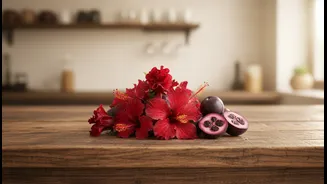
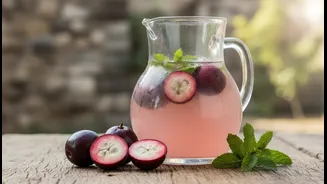
The choice of hibiscus and kokum is a stroke of marketing genius. These ingredients occupy a unique space, blending traditional familiarity with modern wellness appeal. Both are rooted in Indian culinary and Ayurvedic traditions, often associated with cooling properties and digestive benefits. This taps into a sense of nostalgia and authenticity. Simultaneously, they are celebrated globally as 'superfoods' rich in antioxidants. Hibiscus is noted for its potential to support heart health, while kokum is recognised for aiding digestion and hydration. This duality allows cafés to tell a compelling story: a drink that is both culturally grounded and scientifically beneficial, appealing to the millennial desire for products with a narrative.
Marketing Health Without Sacrificing Taste
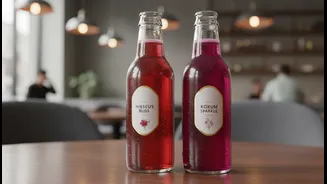
Communicating 'low-sugar' requires a delicate touch to avoid sounding clinical or bland. Independent cafés excel at this by using descriptive, appealing language on their menus. Instead of stark 'sugar-free' labels, you’ll find phrases like 'naturally sweetened with jaggery,' 'a touch of raw honey,' or 'lightly sweetened.' This messaging focuses on natural, less-processed sweeteners, which resonates with health-conscious consumers. The strategy is to highlight what is in the drink, rather than just what is not. By framing these beverages as thoughtfully crafted with premium, natural ingredients, cafés position them as a superior choice, not a compromise. This allows them to offer a 'better-for-you' option that still feels indulgent and flavourful.
The Instagram Effect and Visual Storytelling
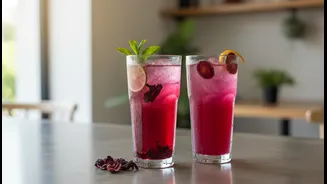
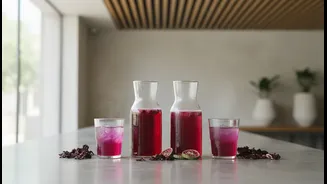
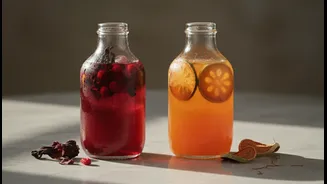
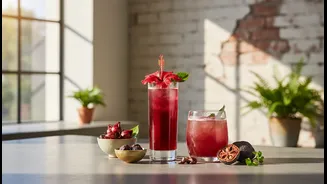
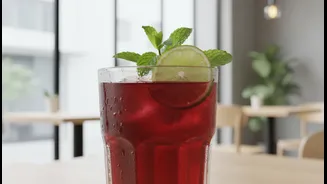
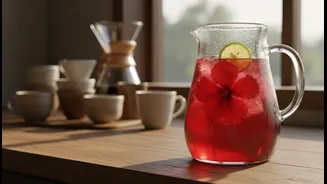
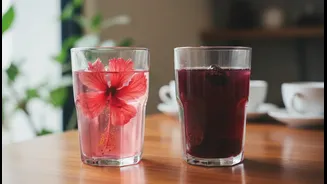
In the age of social media, aesthetics are paramount. Hibiscus and kokum drinks are naturally 'Instagrammable' with their deep ruby and purple hues. Cafés amplify this by serving them in stylish glassware, often with artisanal ice and beautiful garnishes like mint sprigs or lime wheels. This visual appeal is a powerful, passive marketing tool. Millennials are not just customers; they are content creators for the café. Beyond just a pretty picture, cafés use social media to tell the story behind the drink—highlighting the local sourcing of the kokum, explaining the antioxidant benefits of hibiscus, or sharing the recipe inspiration. This transforms a simple beverage into a lifestyle statement, connecting the product to broader values of wellness, tradition, and conscious consumption that millennials champion.
Building a Community Beyond the Cup
Independent cafés differentiate themselves from large chains by fostering a sense of community. They become lifestyle hubs, not just transaction points. Marketing for these healthier drinks is often woven into this community-building ethos. This can include hosting workshops on herbal infusions, collaborating with local wellness influencers for tasting sessions, or creating loyalty programs that reward repeat visits for healthy choices. By making the café a destination for experience-seekers, they build a loyal following that is invested in the brand's values. The message is clear: we’re not just selling you a drink; we’re part of your healthy, modern lifestyle. This approach builds brand loyalty that goes far deeper than a simple caffeine fix or sugar rush.