



From Physical Cards to Digital Profiles
For years, many long-term visitors, workers, and students in the UK relied on a Biometric Residence Permit (BRP), a credit-card-sized document, to prove their status. This is a thing of the past. The UK has now moved to a fully digital system where an individual's
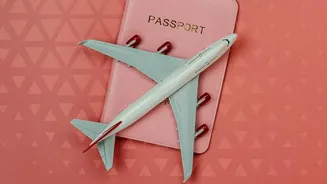
immigration status is held as an online record, known as an eVisa. This digital record is linked to a person's passport and accessible through a secure online UK Visas and Immigration (UKVI) account. The change affects everyone, from tourists receiving a digital permission instead of a passport sticker to skilled workers and students managing their status entirely online.
The Push for a Digital Border
The UK government's aim is to create a more secure and efficient 'digital border'. The official rationale for phasing out physical documents is to enhance security, prevent document fraud and loss, and streamline identity verification. By moving all records online, the system is designed to provide a real-time, verifiable source of a person's rights and permissions in the UK. This change comes as travel between India and the UK is booming, with over 500,000 visas granted to Indian nationals in the year ending March 2026. VisitBritain predicts Indian visitor numbers could approach nearly a million annually by 2030, making a streamlined process a high priority.
How Digital Checks Work in Practice
Without a physical card, how does an Indian national prove their right to work or rent an apartment? The answer is a 'share code'. An individual must log into their UKVI account online, generate a unique, time-limited code for a specific purpose (e.g., 'right to work' or 'right to rent'), and give that code to the employer or landlord. The third party then uses this code on the government's official website to view the person's status and any associated conditions. This means accessing your UKVI account is no longer optional; it is the central pillar of interacting with the UK's immigration system and proving your rights within the country.
The Promise of a Seamless System
The intended benefits are clear. For travellers, it eliminates the risk of losing a vital BRP card or passport vignette. For the government, it centralises data and makes checks theoretically faster. For individuals, once the UKVI account is set up, all their immigration information is in one place, accessible from anywhere with an internet connection. The process of applying for a visa remains largely the same—an online application followed by a visit to a Visa Application Centre to provide biometrics—but the end product is now a digital entry in a database rather than a physical document.
Navigating Potential Glitches and Hurdles
However, a fully digital system creates its own set of challenges. The entire process hinges on an individual's ability to access the internet and navigate the online UKVI portal. Technical glitches, system outages, or incorrect data held by the Home Office could prevent someone from generating a share code, potentially leading to a wrongful denial of a job or housing. There are also concerns for those with limited digital literacy. Furthermore, travellers are warned that they must ensure their passport details are correctly linked to their UKVI account to avoid delays at airline check-in or the border.
What Indians Need to Do Now
For any Indian national planning to travel to, or already residing in, the UK, being proactive is key. The first step is to create a UKVI account if you don't already have one. This typically requires an email, phone number, and details from your passport or previous BRP. You may need to use the 'UK Immigration: ID Check' app to verify your identity. Once your account is active, you must ensure all personal details are correct and, crucially, that your current passport is linked to your eVisa. It is now essential to manage this digital profile with the same care as one would a physical passport.