





A Shift in the Traveller's Gaze
The allure of Northeast India has long been its promise of the unexplored. Yet, for mainstream tourism, this promise was often confined to a handful of well-trodden circuits. Shillong, with its cafe culture, and Kaziranga National Park have been perennial
favourites. But the story of tourism in the region is rapidly evolving. A new wave of travellers, armed with curiosity and a desire for authenticity, is venturing deeper. This shift is revealing a more intricate and diverse travel map, where the journey leads not just to a destination, but to an experience. The focus is moving away from crowded hotspots towards serene valleys, remote villages, and landscapes that have remained largely untouched by commercial tourism.
The Rise of the Unseen Destinations
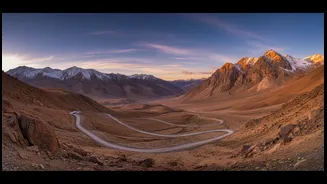
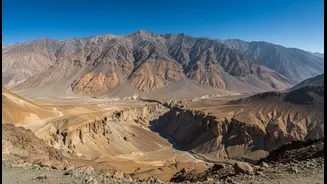
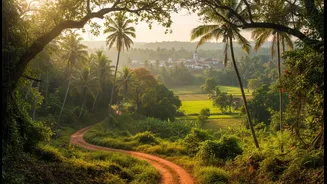
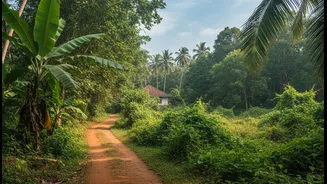
Across the eight states, new names are entering the traveller's lexicon. In Arunachal Pradesh, destinations like the Mechuka Valley, with its serene river and low tourist footfall, are gaining traction for those seeking raw Himalayan beauty away from the more famous Tawang circuit. Nagaland's Dzukou Valley, straddling the border with Manipur, has become a trekker's paradise, renowned for its seasonal flowers and dramatic green hills. Similarly, Ziro Valley, home to the Apatani tribe, offers a unique cultural immersion amidst lush paddy fields and bamboo houses. In Tripura, the ancient rock-cut sculptures of Unakoti, hidden in forested hills, are drawing history and archaeology enthusiasts. These are not just places; they are pockets of preserved culture and pristine nature, now becoming accessible to those willing to look beyond the brochure.
What's Fuelling This Expansion?
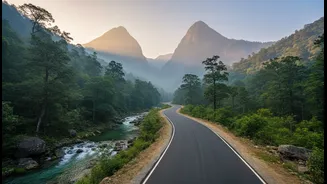
Several factors are converging to power this expansion. A massive push in infrastructure development has been a game-changer. The construction of new highways, like the Trans-Arunachal Highway, and the operationalisation of new airports have drastically cut down travel times and opened up previously hard-to-reach areas. For instance, Arunachal Pradesh, once notoriously difficult to access, is seeing a connectivity boom that is paving the way for investment in travel infrastructure. Alongside this physical connectivity, digital connectivity has played a huge role. Social media and even OTT shows that have filmed in the region have sparked curiosity, turning on-screen landscapes into real-life travel goals and driving significant growth in flight bookings to cities like Dimapur and Agartala.
Homestays and the Quest for Authenticity
This new tourism boom is not about large hotel chains but about intimate, community-driven experiences. The demand for homestays across the Northeast is surging, driven by travellers who seek a deeper connection with the local culture. Staying with a family offers insights that no hotel can provide, from savouring home-cooked meals to learning about local traditions directly from the source. In states like Sikkim and Meghalaya, community-based tourism is a well-established model, where local cooperatives manage everything from lodging to guided treks, ensuring that the economic benefits of tourism flow directly into the community. This model is now being replicated across the region, empowering local communities and offering travellers a more meaningful and sustainable way to explore.
Balancing Growth with Preservation
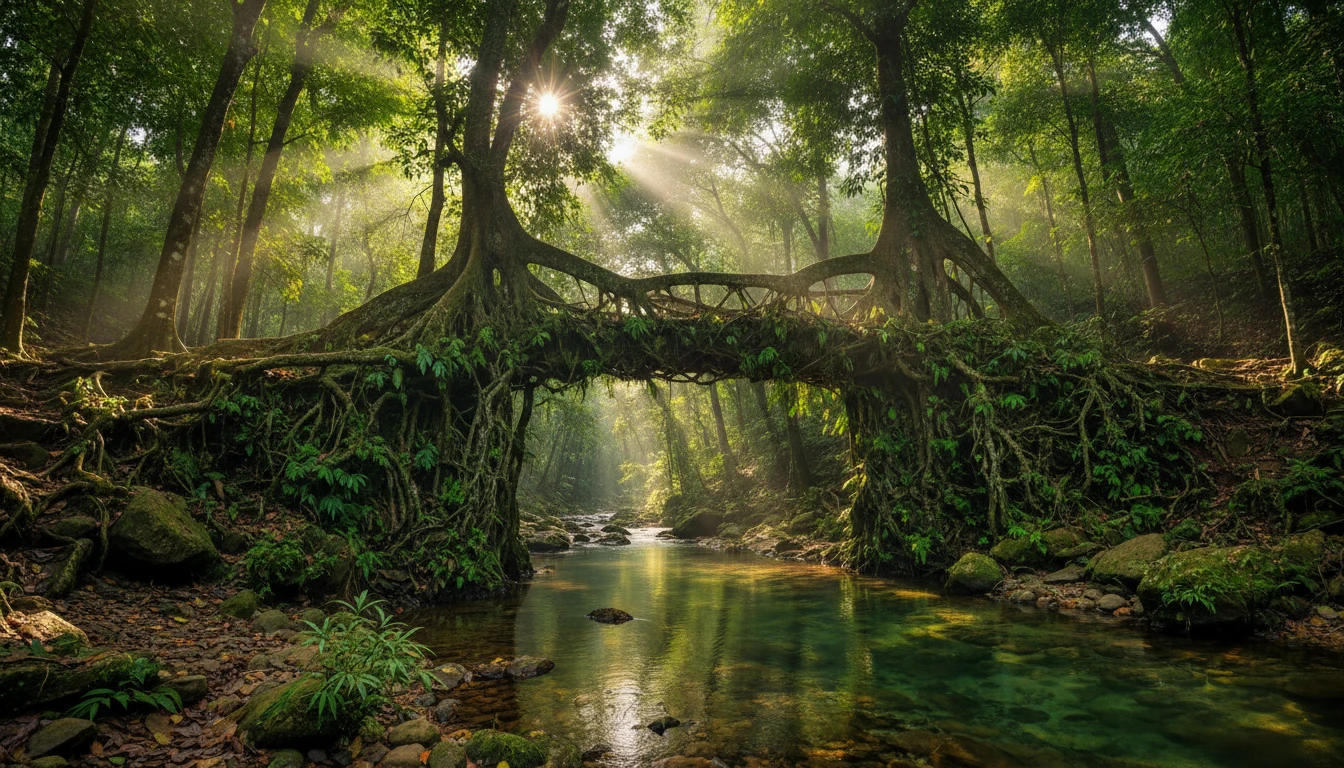
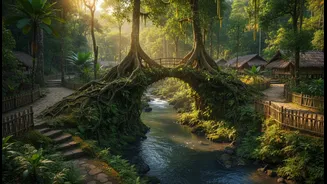
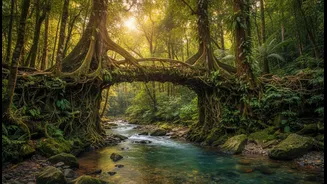
The expansion of tourism into these fragile ecosystems is not without its challenges. The key is balancing economic growth with the preservation of both the natural environment and unique local cultures. The rise of sustainable and responsible tourism practices is crucial. Initiatives in places like Mawlynnong in Meghalaya, famed as 'Asia's Cleanest Village', showcase a successful model of community-led conservation. Similarly, Khonoma in Nagaland is recognized for its community-driven conservation efforts, which include restrictions on hunting and logging. As more travellers discover these hidden gems, the focus must remain on mindful exploration that respects the local way of life and contributes positively to the region’s future, ensuring the 'unexplored paradise' remains pristine for generations to come.