








The Silent Dangers of Sitting
Your comfortable office chair might be one of the biggest threats to your long-term health. Prolonged sitting, a hallmark of modern desk jobs, is often called 'the new smoking' for good reason. Studies have consistently linked a sedentary work life to a higher
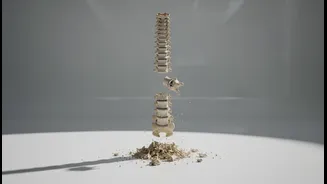
risk of serious health issues, including heart disease, type 2 diabetes, certain cancers, and even premature death. One study found that individuals who sit for more than eight hours a day face a significantly higher risk of mortality, even if they exercise regularly. The issue is that long periods of immobility slow your metabolism, impairing the body's ability to regulate blood sugar, blood pressure, and break down fat. This can also lead to musculoskeletal problems, such as chronic back and neck pain, stiff joints, and weakened muscles. Some research shows that people who don't take regular breaks are substantially more likely to develop these kinds of aches and pains.
The 'Movement Alarm' Solution
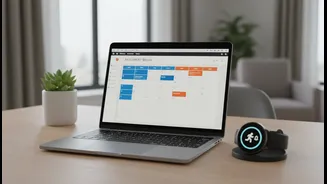
The headline-making suggestion for 'movement alarms' isn't about buying a new, expensive gadget. Instead, it refers to any system or habit that prompts you to get up and move. This can be as simple as a timer on your phone, a calendar notification, or a feature on your smartwatch. The core idea, supported by numerous health experts, is to interrupt long periods of sedentary time. Research shows that breaking up sitting with even short bursts of activity—as little as one or two minutes—can offer significant health benefits. These micro-breaks can help improve blood circulation, reduce muscle stiffness, and reset your mental focus. The goal is to make movement a non-negotiable part of your workday, just like checking your email or attending a meeting.
Finding Your Movement Rhythm
So, how often should you be getting up? While there isn't a single magic number, a general consensus among experts is to move every 30 to 60 minutes. Some recommendations suggest a 2:1 ratio, such as sitting for 40 minutes and then standing or moving for 20. Others advocate for a short, 5 to 10-minute break every hour. The key isn't to follow a rigid schedule but to listen to your body and avoid being static for too long. The UK's Chief Medical Officers' guidelines suggest that even one to two minutes of activity can make a difference. Don't let the perfect be the enemy of the good; any movement is better than none. The aim is to build a sustainable routine that works for you and your job's demands.
Easy Ways to Move More at Work
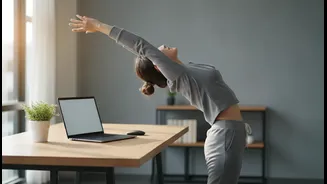
Incorporating more movement doesn't have to disrupt your workflow. The key is to find simple, repeatable actions. Try standing up every time you take a phone call. Instead of emailing a colleague who sits nearby, walk over to their desk. When you need a glass of water, walk to the farthest dispenser. Schedule 'walking meetings' for brainstorming sessions. Simple desk-based stretches like shoulder rolls, neck retractions, and spinal twists can also work wonders to relieve tension. You can also take the stairs instead of the elevator or use your lunch break for a brisk walk outside. These small, consistent efforts accumulate over the day and can dramatically reduce the negative impacts of sitting.
Building a Habit That Sticks
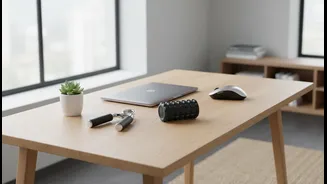
While alarms are a great starting point, the ultimate goal is to build an intuitive habit of movement. Pair your movement breaks with existing routines, a practice known as habit stacking. For example, decide to stretch for two minutes after every completed task or walk a lap around the office after every hour-long meeting. Over time, these actions will become automatic. Remember that active workstations, such as sit-stand desks, can also be powerful tools, making it easier to alternate between sitting and standing throughout the day. A Mayo Clinic study found that using active workstations not only reduced sedentary time but also improved cognitive performance in areas like reasoning. The most important thing is to find what works for you and make a conscious effort to move more, turning your workday from a sedentary marathon into a healthier, more active routine.