




Why Random Clicking Fails
We’ve all been there: endlessly clicking through a hotel’s photo gallery, trying to piece together a mental image of our potential room. But this haphazard approach is exactly what lets marketing tricks succeed. Professional hotel photography is designed
to sell an experience, often using wide-angle lenses to make rooms look bigger and staging to hide flaws. They showcase the best of the property, not necessarily the reality of every room. Without a structured plan, you’re likely to be swayed by a few beautiful shots of a premium suite or a dramatic photo of the lobby, while missing crucial details about the actual room you'll be sleeping in. A methodical approach turns you from a passive viewer into a sharp-eyed detective.
Start With Room Categories
This is the single most important step. Hotels often group all their best photos into one gallery, but the images that matter are the ones tied to the specific room category you're booking, whether it's 'Standard,' 'Deluxe,' or 'Ocean View.' Before you look at anything else, filter the photos for your chosen category. If a hotel's booking engine doesn't allow this, be skeptical. Pay close attention to the name of the room in the images. Are you consistently seeing photos of the 'Presidential Suite' when you're trying to book a 'Standard Queen'? That's a red flag. A reputable hotel ensures that each room type has several representative photos, including the bathroom. This step alone ensures you are evaluating the room you intend to pay for, not the one the hotel wishes to advertise.
Scrutinize the Bed and Space
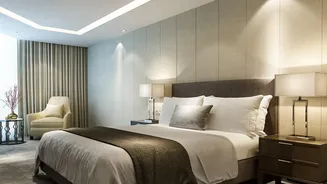
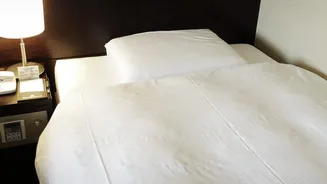
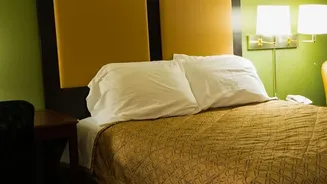
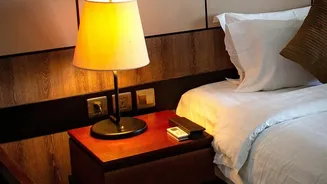
Once you've isolated the correct room photos, zoom in on the essentials. The bed is often a key indicator of the hotel's standard of quality and cleanliness. Travel experts suggest that all-white bedding is a positive sign, as it indicates a commitment to cleanliness and a more recent update; patterned or dated comforters can be a warning sign of an older, un-renovated room. Beyond the bed, try to gauge the actual size of the room. Photographers often shoot from corners with wide-angle lenses to make spaces appear larger than they are. Look for distortions at the edges of the photo, like a stretched-looking lamp or pillow, which can indicate lens trickery. Also, beware of the 'tight crop'—an overabundance of close-up shots of pillows, faucets, or art, with very few wide shots of the room, often means the room itself is uncomfortably small or awkwardly laid out.
The Window: View, Light, and Reality
The next crucial element is the window. First, assess the view. The term 'ocean view' can mean anything from a panoramic vista to a sliver of blue you can only see by pressing your face to the glass. This is where cross-referencing with traveller-submitted photos on review sites becomes invaluable. Second, evaluate the light. Photos are often taken with professional lighting to make a room look bright and inviting. A major red flag is a window that is completely whited out or glowing. This technique is often used to hide an undesirable view, such as a brick wall, a noisy street, or an air-conditioning unit just outside the glass. A truthfully shot photo will show a balanced view both inside and outside the room.
Decoding the Bathroom Details
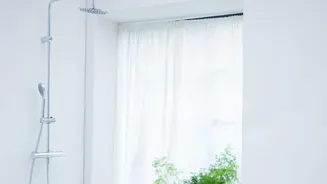
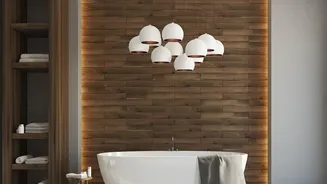
Never underestimate the importance of the bathroom. It’s a space that heavily influences your comfort and perception of cleanliness. The biggest warning sign is a complete lack of bathroom photos for your specific room category. If a hotel avoids showing you the bathroom, it’s usually because it's dated, tiny, or in poor condition. When you do see photos, look closely. Are the fixtures modern or from a bygone era? Is there ample counter space? Look for signs of mould or wear on grout and sealant. Try to get a sense of scale—is the shower a spacious walk-in or a cramped cubicle? A clean, well-photographed bathroom signals that the hotel pays attention to detail across the board.