



As temperatures drop, you might notice your skin feeling tight, itchy, and uncomfortably dry. This isn't just your imagination; it's a direct response to winter conditions that impact your skin's natural protective barrier, starting with its oil.
Your Skin's Natural Moisturiser: Sebum
First,
let's talk about sebum. It’s an oily, waxy substance produced by your sebaceous glands. While the word 'oil' can sometimes have negative connotations, sebum is absolutely essential for healthy skin. It acts as your body's own built-in moisturiser, forming a thin, protective layer over your skin's surface. This layer, known as the hydrolipidic film, performs two critical jobs: it locks moisture in, preventing water from evaporating into the air, and it acts as a barrier, protecting you from environmental aggressors like wind and pollutants. Think of it as a perfectly designed, waterproof, and breathable shield that keeps your skin soft, supple, and hydrated.
The Two-Part Winter Assault on Your Skin
When winter arrives, your skin faces a double threat: cold temperatures and low humidity. Cold air itself directly impacts your glands. Just as your body slows down in the cold, so do your sebaceous glands, leading to a reduction in sebum production. With less of this natural oil being produced, your skin's protective barrier becomes weaker and less effective. At the same time, the air becomes much drier. Cold air simply cannot hold as much moisture as warm air. This creates a steep moisture gradient between your skin and the environment. The dry air essentially starts pulling water out of your skin, a process called transepidermal water loss (TEWL). The problem is made even worse by indoor heating, which further strips humidity from the air you spend most of your time in.
When the Barrier Breaks Down
This combination of reduced sebum and increased water loss is a recipe for a compromised skin barrier. Without enough protective oils, the 'mortar' holding your skin cells together—which includes crucial lipids like ceramides—begins to break down. Studies have shown that ceramide levels can drop significantly during winter months, further weakening the skin's structure. This leaves your skin vulnerable, resulting in the classic symptoms of winter dryness: tightness, roughness, flaking, itching, and redness. In this weakened state, your skin also becomes more sensitive and reactive, meaning products that you tolerate fine in the summer might suddenly cause irritation.
How to Rebuild and Protect Your Winter Skin
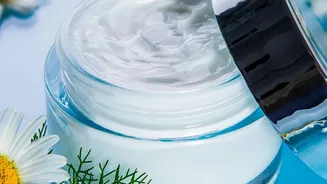
Since your skin’s natural defences are down, it needs extra support. The key is to both replenish lost moisture and reinforce the barrier. Start by switching to a gentler cleanser; foaming and heavily scented soaps can strip away the little oil your skin is still producing. Next, upgrade your moisturiser. Look for thicker creams rather than light lotions, and seek out ingredients that support the skin barrier. Hyaluronic acid is a humectant that draws water into the skin, while emollients like shea butter and oils soften it. Most importantly, look for occlusive ingredients and ceramides. Ceramides help rebuild the 'mortar' of your skin barrier, while occlusives like petrolatum create a physical seal to prevent water from escaping. Applying your moisturiser to damp skin right after a lukewarm—not hot—shower is the most effective way to lock in hydration.