





The Breakfast Shake-Up
Walk through any urban supermarket, and you'll see it. Protein bars jostle for space with biscuits, breakfast cereals boast 'added protein', and even traditional staples aren't immune. We're seeing 'protein dosa' mix, 'high-protein' idli batter, and countless
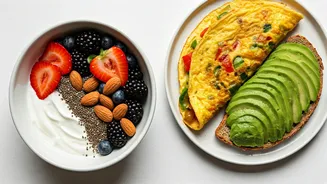
recipes for 'protein-packed' poha. The humble Indian breakfast, once a carbohydrate-rich affair designed for quick energy, is being re-engineered. Social media feeds are flooded with images of colourful smoothie bowls, frothy protein shakes, and elaborately prepared egg dishes. This isn't just a niche trend confined to bodybuilders anymore; it's a mainstream conversation happening at dining tables, in office canteens, and across WhatsApp family groups. The morning meal, a cornerstone of Indian daily life, is at the centre of a nutritional revolution.
Why the Sudden Hunger for Protein?
Several factors are fuelling this collective protein push. A growing fitness culture, amplified by social media influencers and celebrities, has placed a premium on muscle-building and metabolic health. Post-pandemic, there's a heightened sense of health consciousness, with consumers actively seeking foods that boost immunity and overall wellness. Marketers have been quick to capitalise on this. The Indian dietary supplement market, particularly the protein segment, is booming, with projections showing exponential growth. It's a perfect storm of increased consumer awareness, aspirational health goals, and savvy marketing that has successfully positioned protein as the answer to a host of modern lifestyle problems, from managing weight to fighting afternoon slumps.
The Great Protein Paradox
Here's where the story gets complicated. Despite this apparent 'obsession' with protein, a significant portion of the Indian population remains protein deficient. A frequently cited survey by the Indian Market Research Bureau (IMRB) revealed that over 70% of urban Indians have a protein-deficient diet. This highlights a critical gap between awareness and application. We know protein is important, but we may not know how much we need, what the best sources are, or how to properly incorporate it into our culturally rich, often vegetarian-centric, diets. The obsession, it seems, is more with the *idea* of protein than with its consistent, correct consumption. Many are either over-relying on expensive supplements or not getting enough from their regular meals.
More Than Just Muscle
The benefits of a protein-rich breakfast extend far beyond building biceps. Protein is the most satiating macronutrient, meaning it keeps you feeling full for longer. A morning meal high in protein helps regulate appetite throughout the day, curbing cravings for unhealthy, high-sugar snacks. It also plays a crucial role in stabilising blood sugar levels, preventing the sharp spikes and subsequent crashes that lead to energy slumps and irritability. For the brain, a steady supply of amino acids from protein is essential for producing neurotransmitters that govern mood and focus. In essence, starting your day with adequate protein sets you up for better energy, improved concentration, and more stable moods.
Powering Your Morning, the Indian Way
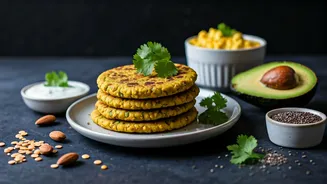
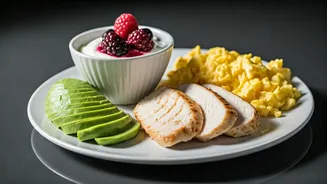
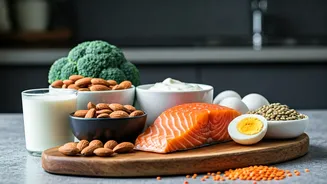
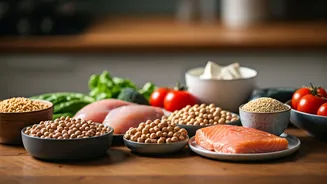
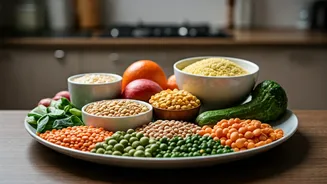
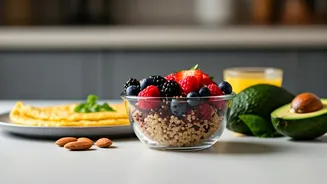
You don't need expensive tubs of imported whey protein to meet your morning quota. The Indian kitchen is already a treasure trove of protein-rich ingredients. A simple bowl of dahi or a glass of lassi can be a great start. Sprouted moong, a nutritional powerhouse, can be added to poha or upma. Paneer, whether scrambled (bhurji) or tucked into a paratha, offers a substantial boost. For non-vegetarians, eggs are a versatile and affordable option. Don't underestimate traditional foods like sattu (roasted gram flour), which can be made into a nutritious drink, or besan (chickpea flour), used to make chilla. The key is to be mindful and make simple swaps: add a handful of nuts to your oats, use a dal-based batter for your dosa, or simply ensure a side of sprouts or a boiled egg accompanies your regular breakfast.