




The Ancient Superfood in Your Kitchen
Finger millet, known popularly in India as ragi or nachni, is a humble grain that has been a staple in our diets for thousands of years. This powerhouse of nutrition, once a common sight in kitchens across states like Karnataka and Maharashtra, is making
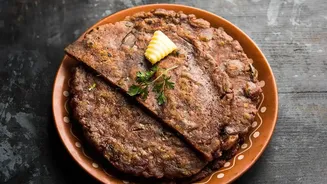
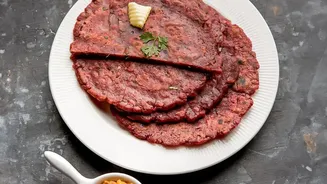
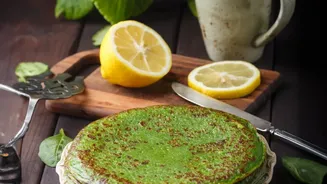
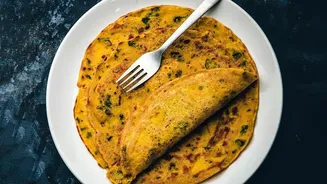
a major comeback. As people move towards healthier and more conscious eating, ragi is being rediscovered for its immense versatility and health benefits. Naturally gluten-free and easy to digest, this ancient millet is finding its way from traditional porridge and rotis into modern breakfast staples like crepes, offering a perfect blend of old-world nutrition and contemporary taste.
A Powerhouse of Nutrition
The claim of ragi being a 'superfood' isn't just a trend; it's backed by its impressive nutritional profile. It is one of the best non-dairy sources of calcium, crucial for maintaining strong bones and teeth. For those battling iron deficiency, ragi is a fantastic natural source, helping to improve haemoglobin levels and combat fatigue. Furthermore, it is packed with dietary fibre, which aids digestion, promotes a feeling of fullness, and helps in weight management by reducing unnecessary snacking. Its low glycaemic index also makes it an excellent food choice for managing blood sugar levels, releasing energy slowly to keep you powered through the morning.
Crafting the Perfect Batter
The secret to a great ragi crepe lies in the batter. You can choose between a quick, instant batter or a traditional fermented one. For an instant version, a mix of ragi flour, rice flour, and a little sooji (semolina) creates a wonderfully crisp texture. Simply combine these flours with curd or water, add spices like cumin seeds, and let it rest for about 20-30 minutes. For a fermented batter, which enhances nutrient absorption, soak whole ragi or ragi flour with urad dal for a few hours, grind to a smooth paste, and allow it to ferment overnight. The fermented batter will be lighter and have a delightfully tangy flavour, similar to a classic dosa. No matter which method you choose, the consistency is key: it should be thin and pourable, much like buttermilk, to achieve a lacy, crispy crepe.
Step-by-Step: Making Your Savoury Crepes
Cooking ragi crepes is an art that's easy to master. Heat a non-stick tawa or a well-seasoned cast iron pan over medium-high heat. The pan needs to be hot enough for the batter to sizzle upon contact. Before your first crepe, it helps to season the pan by rubbing it with half an onion dipped in oil. Give your thin batter a good stir, as the flour tends to settle at the bottom. Now, pour a ladleful of the batter onto the hot pan, starting from the edges and moving towards the centre in a circular motion. Don't try to spread it with the ladle like a regular dosa; let the batter create its own lacy pattern. Drizzle a little oil or ghee around the edges and cook on medium heat for a couple of minutes until the edges turn golden brown and start to lift from the pan. These crepes are typically so thin they don’t need to be flipped.
Elevate Your Crepes: Flavours and Pairings
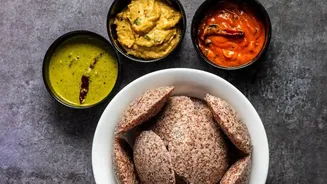
While a plain ragi crepe is delicious, you can easily enhance the flavour by adding finely chopped onions, green chillies, ginger, and fresh coriander or curry leaves directly into the batter. This not only adds a burst of flavour but also extra texture. These savoury crepes pair beautifully with a variety of accompaniments. Serve them hot and crispy straight off the tawa with a side of cooling coconut chutney, a tangy tomato chutney, or a hearty sambar. For a more filling meal, you can even use them as a wrap for a light filling of sautéed vegetables or paneer. The possibilities are endless, making it a versatile dish you can adapt to your family's tastes.