



The Nutritional Showdown
When it comes to nutrition, both quinoa and lentils are powerhouses, but they excel in different areas. Lentils are the undisputed champion of protein and fibre. A cooked cup of lentils packs about 18 grams of protein and 16 grams of fibre, making them
incredibly filling and great for digestive health. They are also rich in folate, iron, and potassium. Quinoa, technically a seed but treated like a grain, offers about 8 grams of protein and 5 grams of fibre per cooked cup. Its main claim to fame is being a 'complete protein', meaning it contains all nine essential amino acids your body needs. Lentils are considered 'incomplete' as they are low in one amino acid, methionine. However, this is easily balanced by pairing lentils with grains like rice or roti throughout the day. Quinoa also boasts a higher magnesium and manganese content than lentils.
Taste, Texture, and Flavour
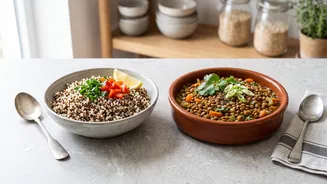
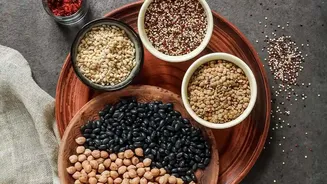
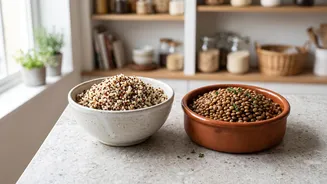
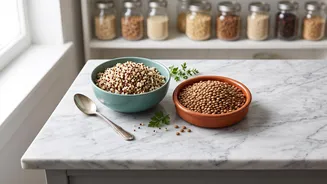
Your choice might simply come down to taste and texture. Quinoa has a slightly nutty, earthy flavour and a light, fluffy texture when cooked properly. The tiny seeds remain separate, giving them a pleasant, slightly chewy pop, similar to couscous. This makes quinoa an excellent base for salads and grain bowls where you want each component to stand on its own. It's important to rinse quinoa before cooking to remove its natural coating, called saponins, which can taste bitter or soapy. Lentils offer a wider variety. Brown and green lentils have a mild, earthy taste and hold their shape well, making them great for salads or as a hearty side. Red and yellow lentils, on the other hand, cook down to a soft, creamy consistency, which makes them perfect for thickening soups, stews, and Indian dals.
The Cooking Process Compared
Both are relatively quick to prepare, especially compared to dried beans that require soaking. Quinoa typically cooks in about 15 minutes. The method is similar to cooking rice: you use a specific ratio of water to grain (usually 2:1), bring it to a boil, then cover and simmer until the liquid is absorbed. Lentils, depending on the variety, cook in about 20 to 30 minutes. Brown and green lentils take longer, while red lentils cook much faster. The cooking method is more like pasta; you boil them in a generous amount of water and then drain them. Because of their different cooking methods and times, it's not always ideal to cook them in the same pot, unless a recipe is specifically designed for it.
Best Meal Uses for Quinoa
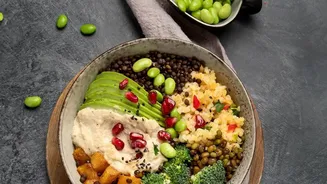
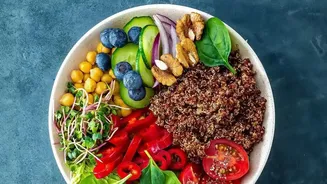
Quinoa's fluffy, non-mushy texture makes it a star in dishes where you want a light, separate grain. It is an ideal substitute for rice in many recipes. Think vibrant grain bowls topped with roasted vegetables, fresh herbs, and a zesty dressing. It’s also perfect for hearty salads, as it soaks up vinaigrette without becoming soggy. You can even use it to create breakfast porridges by simmering it with milk and spices, or use it as a gluten-free filler in patties and burgers.
Best Meal Uses for Lentils
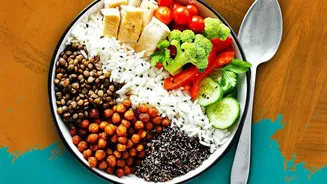
Lentils are the backbone of countless comfort food recipes around the world. Their ability to create body and thickness makes them indispensable in soups, stews, and curries. Red lentils dissolve beautifully into a creamy base for dishes like Indian dal or spicy curry soups. Brown and green lentils, which remain firm, are fantastic for heartier soups, salads, and as a plant-based substitute for ground meat in dishes like shepherd's pie or veggie burgers.