






The '100% Atta' Puzzle
The term '100% Atta' on a package feels reassuring, suggesting pure, unadulterated whole wheat flour. However, this claim can be more complex than it appears. The Food Safety and Standards Authority of India (FSSAI) has specific labelling rules, requiring
brands to label 'atta' as 'Whole Wheat Flour (Atta)' and 'maida' as 'Refined Wheat Flour (Maida)'. [3, 4, 8] This was done to stop brands from using the ambiguous term 'Wheat Flour' for maida, which could mislead consumers. [3, 8] Despite this, the front-of-pack claim of '100%' can be interpreted in various ways. Recently, the Central Consumer Protection Authority (CCPA) fined a major bread brand for claiming '100% Atta Bread' when the product only contained 87% whole wheat flour. [18, 19, 20] The company argued the '100%' meant that atta was the *only grain* used, not that the entire product was atta. [19, 23] The CCPA rejected this, stating that advertisements must be judged from the perspective of a reasonable consumer, for whom '100%' is an absolute claim. [19, 22]
Your Atta Shopping Checklist
To ensure you're getting the wholesome goodness you expect, a few seconds spent reading the label can make all the difference. First, look for the FSSAI license number, a mandatory mark of compliance. Next, turn to the ingredients list. The primary ingredient should be listed as 'Whole Wheat Flour (Atta)'. [3, 4] According to FSSAI regulations, this is the correct nomenclature. If the list contains 'Refined Wheat Flour (Maida)' or simply 'Wheat Flour', it's not 100% whole wheat atta. [8] While concerns about maida being a cheap adulterant are common, some experts note the cost difference isn't significant enough to be a major incentive for large brands. [15] However, for maximum fibre and nutrients, which reside in the bran and germ, you want to ensure you're getting the whole grain. [34] Also, check for the crude fibre content, which should be within FSSAI's specified limits, as this indicates the presence of indigestible but beneficial components. [35]
Decoding Packaged Coconut Water
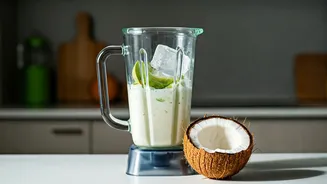
Packaged coconut water is marketed as a healthy, natural hydrator, but the reality inside the tetra pak can be different from the fresh nut. [2, 12] Many brands use claims like '100% Tender Coconut Water', but investigations have shown this can be misleading. For instance, the CCPA recently took action against a brand whose '100% Tender Coconut Water' was made from concentrate reconstituted with water, a detail mentioned only in the fine print. [22, 23, 29] The product also contained preservatives, making the '100% Natural' claim untenable. [23] Furthermore, some packaged coconut water is a mix of water from both young, sweet coconuts and mature, bland-tasting ones. [26] While FSSAI has allowed the use of water from mature coconuts, the taste and nutrient profile may differ from what consumers expect from tender coconut water. [7, 11] Added sugars, preservatives, and artificial flavours are other common additions that turn a healthy drink into something closer to a sugary beverage. [28, 30]
How to Choose the Best Packaged Drink
When fresh coconut water isn't an option, navigating the packaged aisle requires a discerning eye. [2] Always read the ingredients list first. The ideal product should contain only one ingredient: 'coconut water' or 'tender coconut water'. [25] Be wary of terms like 'added sugar', 'natural flavours', or any preservatives (often listed with INS codes). [21, 23] The term 'from concentrate' or 'reconstituted' means the product is not fresh; it has been dehydrated and then had water added back, which can affect its nutritional value and taste. [22, 24] Some brands try to be transparent, stating 'No Added Sugar' prominently, which is a good sign, but always verify it in the full ingredient list. [24, 25] Ultimately, while packaged versions offer convenience, they often undergo pasteurisation and processing that can reduce the nutrients found in fresh, raw coconut water. [16, 28]