


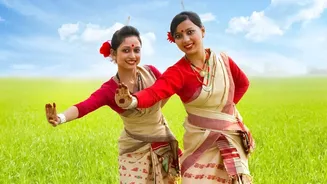
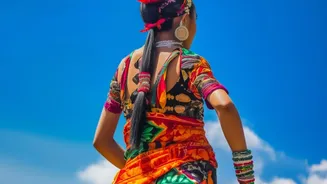
Known as the 'Festival of Festivals', the Hornbill Festival is set to return from December 1-10, 2026. This vibrant event is Nagaland's grandest cultural showcase, offering an immersive dive into the living traditions of its many tribes.
The 'Festival of Festivals' Makes Its Return
Every year, the
first week of December marks a special time in Nagaland. From December 1 to 10, all roads lead to the Naga Heritage Village at Kisama, about 12 kilometres from the state capital of Kohima. This is the home of the Hornbill Festival, a spectacular 10-day carnival that brings together all of Nagaland's tribes to celebrate their shared identity. Started by the state government in 2000, the festival was created to preserve Nagaland's rich cultural tapestry and foster unity among its diverse communities. It is named after the revered hornbill bird, a symbol of grandeur and importance in Naga folklore. The event coincides with Nagaland Statehood Day on December 1, making the opening ceremony a particularly significant event.
A Mosaic of Naga Tribes in One Village
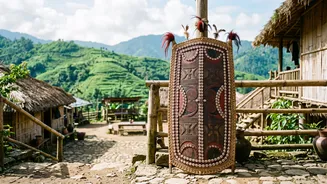
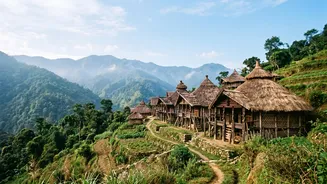
Nagaland is home to at least 17 major recognised tribes, each with its own unique customs, language, and attire. The Hornbill Festival is the only time of year when you can experience this incredible diversity in one place. The festival grounds at Kisama are dotted with 'morungs', or traditional youth dormitories, which are reconstructed by each tribe to showcase their distinct architectural styles. Visitors can walk from one morung to another, interacting with locals, watching artisans at work, and learning about the traditions of tribes like the Angami, Ao, Konyak, Sumi, and Chakhesang. These spaces offer a personal, intimate look into the daily life, social structures, and artistic expressions that define each community.
What to See and Do at Hornbill 2026
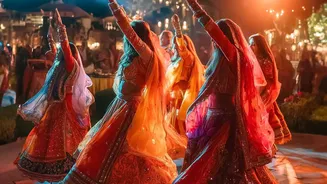
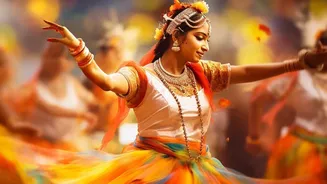
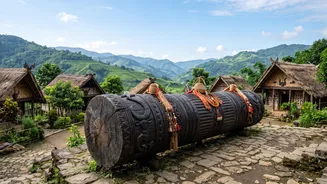
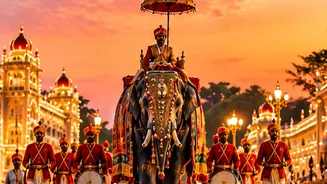
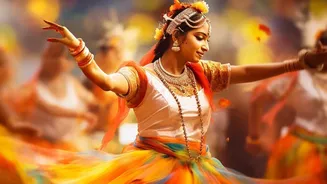
The heart of the festival is the main arena, where cultural troupes perform throughout the day, starting around 9:30 AM. You can witness mesmerising folk dances, listen to traditional songs passed down through generations, and feel the ground shake with the thunderous rhythm of warrior log drums. The performances often include reenactments of historic battles and rituals, such as the Chakhesang war dance or the Ao fish dance. Beyond the main stage, you can watch or even participate in indigenous games like Naga wrestling, archery, and gravity-defying pole climbing. For a different kind of thrill, there are events like the Naga King Chilli eating competition, a true test of endurance for spice lovers.
A Culinary Journey and Handicraft Haven
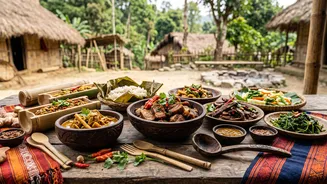
No trip to the Hornbill Festival is complete without indulging in the local cuisine. The tribal morungs and dedicated food courts serve an incredible array of Naga dishes. Be sure to try delicacies like smoked pork with bamboo shoot, hearty stews flavoured with axone (fermented soybean), and freshly brewed zutho (rice beer) served in bamboo mugs. The festival is also a massive marketplace for authentic Naga handicrafts. Stalls are filled with intricately woven shawls, traditional beaded jewellery, impressive wood carvings, and bamboo crafts, offering a perfect opportunity to take a piece of Naga heritage home with you.
Music, Modernity, and Night Carnivals
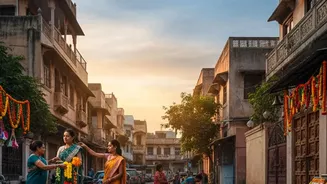
While the daytime is dedicated to tradition, the evenings at Hornbill have a contemporary energy. One of the biggest draws is the Hornbill International Rock Contest, a multi-day music festival that attracts bands from across India to compete. The nights in Kohima also come alive with the Hornbill Night Carnival, where streets are lined with food stalls, live music, and pop-up shops, creating a festive atmosphere that continues long after the events at Kisama have ended for the day. This blend of ancient culture and modern celebration is what makes the festival truly unique.
Planning Your Visit for December 2026
To reach the festival, most travellers fly into Dimapur, Nagaland's only airport, and then take a 2–3 hour taxi ride to Kohima. Kohima serves as the most convenient base, with a range of hotels and homestays. It's crucial to book accommodation several months in advance, as the city fills up quickly. From Kohima, shared taxis and buses regularly ferry visitors to Kisama. Visitors from outside Nagaland will need an Inner Line Permit (ILP), which can be applied for online. Be sure to check the latest permit regulations before your trip. Carrying sufficient cash is also advisable, as digital payments may not be available everywhere.