






More Than Just a Meal
For generations, travel planning followed a familiar script. You’d pick a destination—Paris, Agra, Rome—and then fill the itinerary with sightseeing: the Eiffel Tower, the Taj Mahal, the Colosseum. Food was a necessity, a pleasant supplement to the main
event. But a significant shift is underway. For a growing number of travellers, food is no longer a supporting character; it’s the star of the show. A trip might be planned not to see Naples, but to eat the world’s most authentic Neapolitan pizza. The destination isn't just Thailand; it’s a specific street food stall in Bangkok made famous by a Netflix documentary. This is the essence of food as a travel anchor: the entire journey, from flights to accommodation, is designed around a culinary pilgrimage. It’s a deliberate, thoughtful approach that prioritises taste and flavour as the primary lens through which to experience a new place.
The Search for Authenticity
So, what’s driving this change? A huge part of it is the modern traveller's quest for authenticity. In an increasingly globalised world, people crave genuine, unfiltered cultural experiences. And there is arguably no more direct gateway to a culture than its food. A meal can tell you about a region’s history, agriculture, climate, and social customs in a way a museum plaque cannot. Sharing a home-cooked meal in a Coorgi homestay, learning to fold momos in a Darjeeling kitchen, or navigating the chaotic spice markets of Old Delhi offers a sense of connection that a curated tour often lacks. Food breaks down barriers. It’s a universal language. When you eat what the locals eat, where they eat it, you participate in the daily life of a place, moving from a passive observer to an active participant. This desire for immersive experiences has elevated culinary exploration from a hobby to a core travel philosophy.
The Instagram Effect
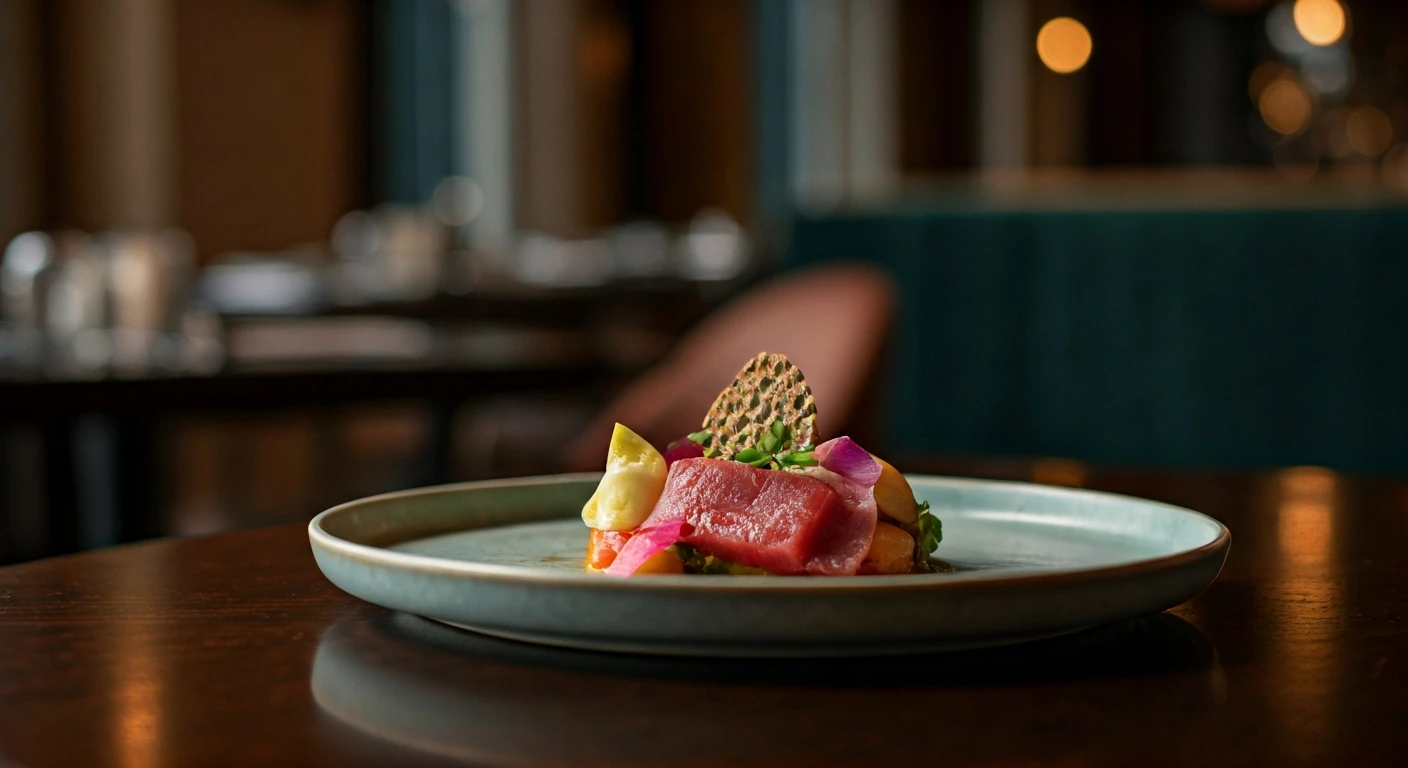
We can't ignore the powerful role of social media in amplifying this trend. Platforms like Instagram and TikTok have turned food into a highly visual and aspirational commodity. A beautifully shot photo of a glistening jalebi, a steaming bowl of pho, or a perfectly plated dish from a Michelin-starred restaurant can spark more travel envy than a picture of a landmark. Food bloggers and content creators have become the new travel agents, their posts and videos serving as a visual menu for potential destinations. This digital word-of-mouth has democratised food discovery. A tiny, family-run eatery in Amritsar can gain global fame overnight. This constant stream of drool-worthy content has fundamentally rewired how we discover new places and what we prioritise when we get there. The 'must-see' list is now accompanied by a 'must-eat' list, and for many, the latter is far more important.
From Michelin Stars to Street Stalls
It’s crucial to understand that this trend is not exclusively about high-end dining. While booking a trip months in advance to secure a table at a world-renowned restaurant is certainly part of the phenomenon, the scope of culinary travel is much broader. It encompasses everything from food festivals and farm-to-table tours to wine tasting trails and street food crawls. A traveller might plan a trip to Lucknow specifically for its Tunday Kababi, or to Hyderabad for its legendary biryani. Others might build an itinerary around visiting the coffee plantations of Chikmagalur or taking a cheese-making class in the Italian countryside. This diversity is what makes the trend so accessible. It caters to every budget and every palate, proving that a memorable culinary experience isn't defined by price, but by flavour, story, and context.
Destinations on a Platter
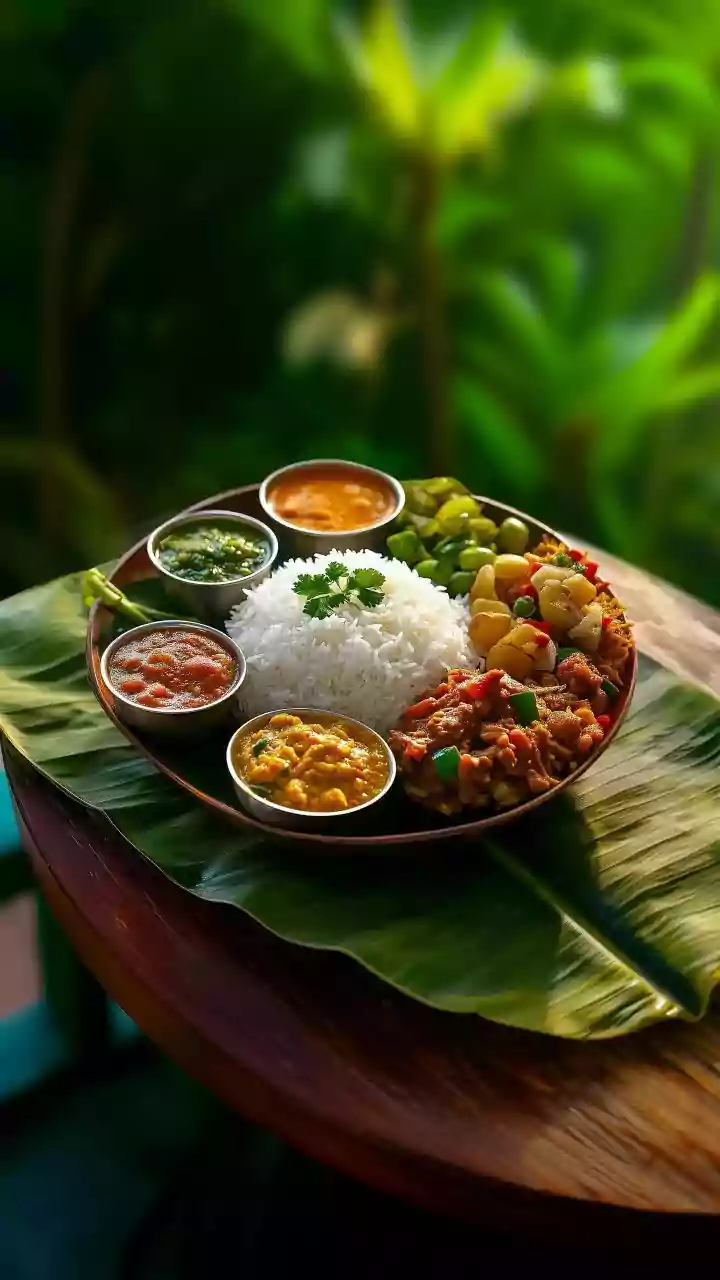
The travel industry has been quick to respond. Cities and even entire countries are now marketing themselves as premier food destinations. Peru, for example, has leveraged its culinary diversity, from ceviche to its Nikkei cuisine, to become a global foodie hotspot. The Basque Country in Spain draws thousands for its *pintxos* bars in San Sebastián. In India, states are highlighting their unique gastronomic heritage, from the elaborate thalis of Rajasthan to the seafood curries of Kerala. Tour companies now offer specialised culinary itineraries focused on everything from barbecue in the American South to ramen tours across Japan. Cooking schools for tourists are booming, offering hands-on lessons that serve as the ultimate souvenir. This pivot shows a clear understanding that for the modern traveller, the fastest way to the heart of a destination is through the stomach.