



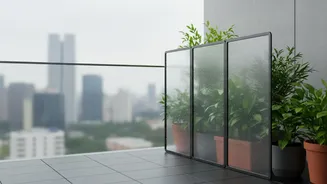

The Unseen Problem in Balcony Gardens
In the quest for a green sanctuary, we fill our balconies with pots and planters. But every time we water our beloved plants, a small battle takes place. Excess water inevitably runs out of drainage holes, trickles down the sides of pots, and pools on the floor.
More significantly, it seeps into the vertical walls against which the planters are often placed. Over time, this constant moisture leads to a host of problems: ugly damp patches, the growth of mould and mildew, peeling paint, and even long-term structural damage to the concrete. In apartment buildings, this seepage can travel, causing issues for residents on lower floors and leading to disputes.
Introducing Vertical Waterproofing
Vertical waterproofing is not a new concept in construction; it's a technique used to protect foundation walls from groundwater. However, its application for balconies is a targeted solution for garden maintenance. It involves installing a protective barrier or membrane on the walls of your balcony that are most exposed to water from your plants. This barrier is specifically designed to stop water from penetrating the wall surface. Think of it as a durable, invisible shield that stands between your garden and your building's structure.
How Panels Change the Game
Instead of messy, painted-on liquid applications, modern solutions often come in the form of pre-fabricated panels or sheet membranes. These sheets, made from materials like high-density polyethylene (HDPE) or bituminous composites, are applied directly to the wall. The game-changing aspect is their effectiveness and ease of maintenance. Once installed, they create a seamless, impenetrable surface. Water from planters simply runs down the face of the panel to the floor drain, never touching the wall itself. This completely eliminates seepage, damp patches, and water staining. Cleaning becomes as simple as wiping down the panel, rather than scrubbing stained paintwork or dealing with mould.
Beyond Just Preventing Leaks
The benefits extend far beyond just stopping water. By keeping the walls dry, you prevent the growth of unhealthy mould and mildew, which can be a health hazard. It also preserves the aesthetic appeal of your balcony, ensuring it remains a beautiful and inviting space without the constant need for repainting or repairs. For the avid gardener, this means peace of mind. You can water your plants thoroughly without worrying about the consequences. It allows you to focus on the joy of gardening—nurturing your plants and enjoying your green space—rather than the constant chore of damage control.
What to Consider Before Installation
While vertical waterproofing is highly effective, it's an investment. The panels or membranes need to be installed correctly to work. It is crucial to ensure the wall surface is properly prepared before application. The system must integrate with your balcony's existing drainage, guiding water toward the floor drain effectively. For renters, it's essential to check with the building society or owner before making such modifications. The cost will vary depending on the size of the area and the material chosen, but it should be weighed against the long-term savings in repair costs, repainting, and potential water damage restoration.