







1. Embrace Warm Soups and Broths
When the rain is lashing against the window, nothing satisfies like a warm bowl of soup. This classic comfort food is also a fantastic vehicle for immune-supporting ingredients. A simple tomato soup, for instance, is rich in Vitamin C and antioxidants.
For a non-vegetarian option, a clear chicken broth is hydrating and soothing. The real magic, however, lies in the additions. Generously add chopped ginger, garlic, and a pinch of black pepper. Ginger and garlic are famed for their anti-inflammatory and antimicrobial properties, while the piperine in black pepper can enhance nutrient absorption. A simple lentil and vegetable soup, or a hearty 'rasam' in the South, can also deliver a powerful dose of warmth and wellness.
2. Rely on Lentils and Legumes
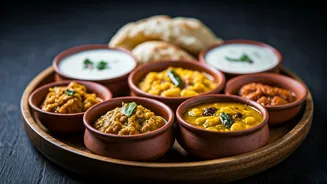
The humble 'dal' is a powerhouse of nutrition, perfect for a gloomy day. Lentils are packed with protein, fibre, and essential minerals like zinc, which plays a crucial role in the functioning of immune cells. A bowl of hot 'dal' with a spoonful of 'ghee' is not just soul food; it’s a balanced meal that supports your body’s defences. For an even more comforting and complete meal, turn to 'khichdi'. This one-pot dish of rice and lentils is easy to digest, allowing your body to conserve energy. You can easily fortify it by adding a variety of vegetables and a healthy dose of turmeric, making it an ideal meal when you’re feeling under the weather.
3. The Power of Turmeric and Spices
Indian kitchens are treasure troves of spices that do more than just add flavour. Turmeric ('haldi') is the star of the show. Its active compound, curcumin, is a potent anti-inflammatory agent and antioxidant. A glass of warm 'haldi doodh' (turmeric milk) before bed is a timeless remedy for a reason. During the monsoon, be liberal with spices like cinnamon, cloves, and star anise in your teas and 'kadhas'. These spices not only provide warmth but are also loaded with compounds that can help support respiratory health. A simple 'kadha' brewed with holy basil ('tulsi'), ginger, black pepper, and honey can be a soothing daily ritual during the rainy season.
4. Load Up on Vitamin C
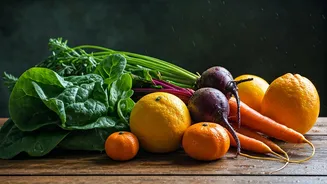
Vitamin C is one of the most well-known nutrients for supporting the immune system, as it encourages the production of white blood cells which are key to fighting infections. While many reach for supplements, getting this vitamin from whole foods is always best. During the monsoon, make friends with citrus fruits like oranges, lemons, and sweet limes ('mosambi'). Another superstar is the Indian gooseberry ('amla'), which has an exceptionally high concentration of Vitamin C. You can have it as a juice, a pickle, or 'murabba'. Don’t forget vegetables like bell peppers ('shimla mirch'), broccoli, and dark leafy greens, which can be easily incorporated into stir-fries, curries, and salads.
5. Don't Forget Gut Health
A healthy gut is the foundation of a strong immune system. The majority of your immune cells reside in your gut, so keeping your digestive system happy is paramount. Probiotics, the beneficial bacteria found in fermented foods, are essential for this. A simple bowl of plain yogurt ('dahi') with your meals is an excellent and easily accessible source of probiotics. You can also enjoy it as a refreshing 'lassi' or 'chaas' (buttermilk). Other fermented foods like 'idli' and 'dosa' are also great for gut health. A balanced gut microbiome helps regulate your immune response, ensuring it’s ready to act when needed but doesn’t overreact.