


Your Backpack: The First Line of Defence
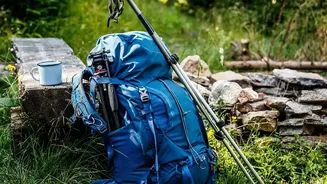
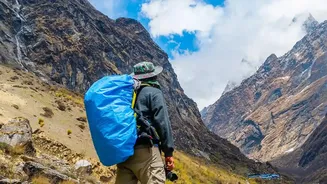
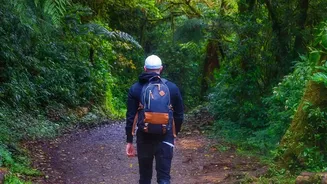
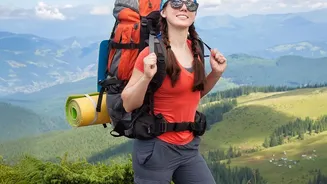
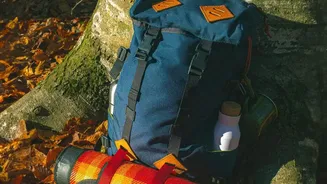
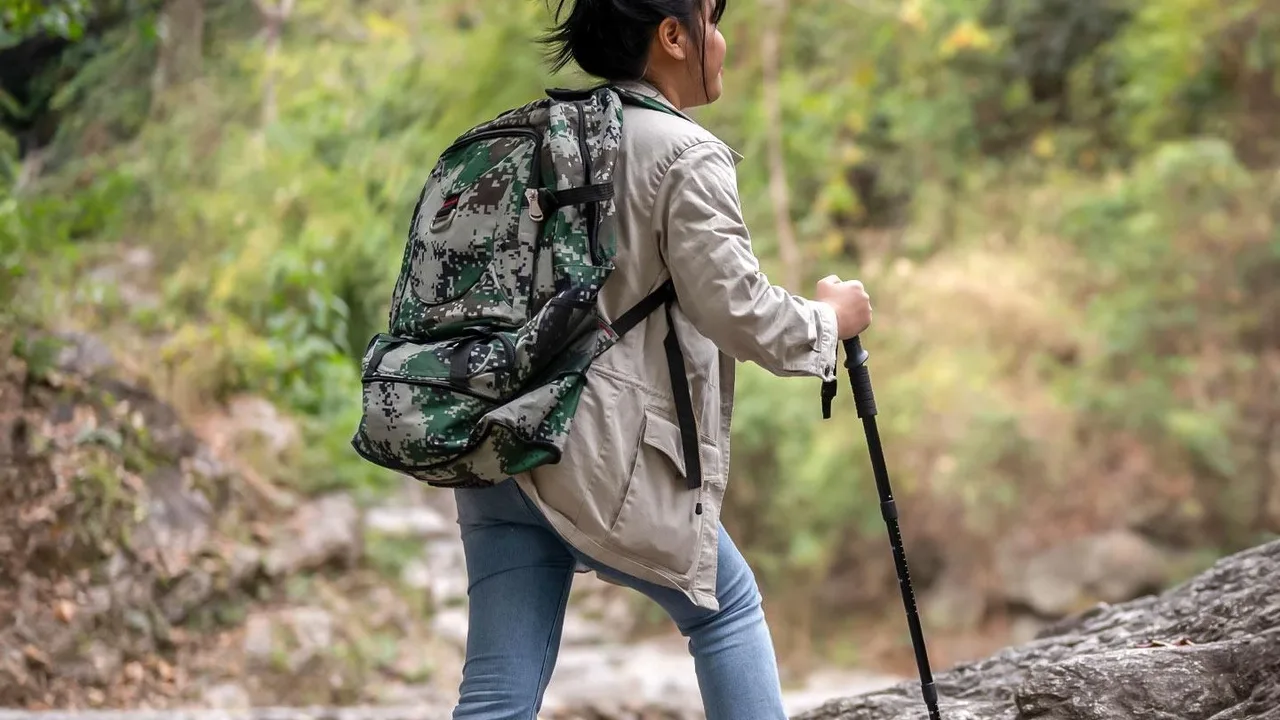
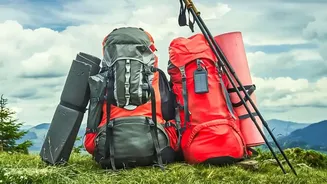
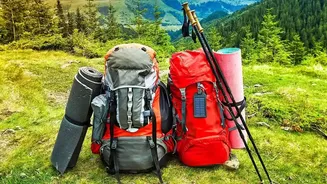
Your journey begins with the right backpack. For a weekend trek, a 30-40 litre pack should suffice. But more important than the size is its protection against the rain. Most backpacks are water-resistant, not fully waterproof. Therefore, a bright, well-fitting
rain cover is non-negotiable; it's the first barrier between a downpour and your dry gear. For a second layer of defence, line the inside of your pack with a large plastic bag or use several smaller dry bags to compartmentalise your belongings. This ensures that even if the outer cover fails or you take a tumble in a stream, your essentials like clothes and electronics remain dry.
Clothing: Stay Dry and Comfortable
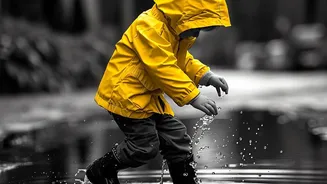
The golden rule of monsoon trekking attire is to absolutely avoid cotton. It absorbs moisture, gets heavy, and takes forever to dry, leaving you cold and uncomfortable. Instead, opt for synthetic, quick-drying fabrics. Pack two quick-dry t-shirts and one pair of synthetic trek pants. A lightweight, breathable, and waterproof jacket or a poncho is essential to shield you from the rain. A poncho can be a great choice as it's large enough to cover both you and your backpack, offering an extra layer of protection.
Footwear: Grip is Everything
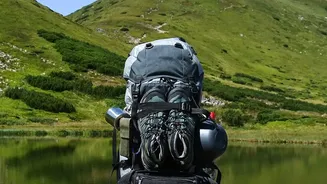
Monsoon trails are notoriously slippery, muddy, and unpredictable. Your choice of footwear is critical for safety and comfort. Look for trekking shoes with high ankle support and deep, aggressive lugs on the sole for superior grip on slick surfaces. While waterproof boots are good, in incessant rain, water can seep in from the top. An alternative is a non-waterproof shoe with excellent drainage that dries quickly. Regardless of your choice, avoid leather shoes which get ruined in the wet. Always carry at least two extra pairs of synthetic or wool socks. A dry pair of socks at the end of a wet day can be a huge morale booster.
Gear and Electronics Protection
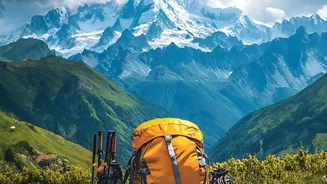
Trekking poles are incredibly useful, providing an extra two points of contact for stability on treacherous terrain. A headlamp or a torch is another essential, as monsoon cloud cover can make it get dark surprisingly early. To protect your electronics like your phone, camera, and power bank, use waterproof pouches or zip-lock bags. Storing these inside a dry bag adds another layer of security. Cold and damp conditions can drain batteries faster, so keep your power bank and phone close to your body to keep them warm.
Health, Safety, and Hygiene
A well-stocked first-aid kit is a must-have. It should include antiseptic wipes, bandages, blister tape, pain relievers, and any personal medications. The lush greenery of the monsoon also brings leeches and other insects. Carry an insect repellent and be prepared for leeches by carrying a small pouch of salt or a sanitiser, which helps in their removal. Other hygiene essentials include hand sanitiser, toilet paper, and a quick-dry towel. Remember to pack your personal ID in a waterproof pouch.
Food and Hydration
Staying hydrated is crucial. Carry at least two one-litre water bottles or a hydration bladder. To be safe, you could also carry water purification tablets or a filter. Trekking consumes a lot of energy, so pack high-energy snacks that are easy to eat on the go. Good options include nuts, dried fruits, energy bars, and chikki (jaggery and nut bars). These will help you maintain your energy levels between meals.