



The Perfect Blend of Health and Tradition
At the heart of the millet sourdough boom is a powerful combination of health benefits and cultural pride. For years, urban diets leaned heavily on refined wheat and rice. Now, a growing number of health-conscious consumers are seeking alternatives that
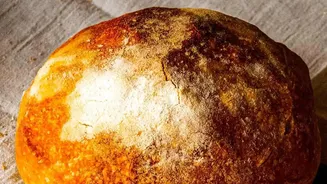
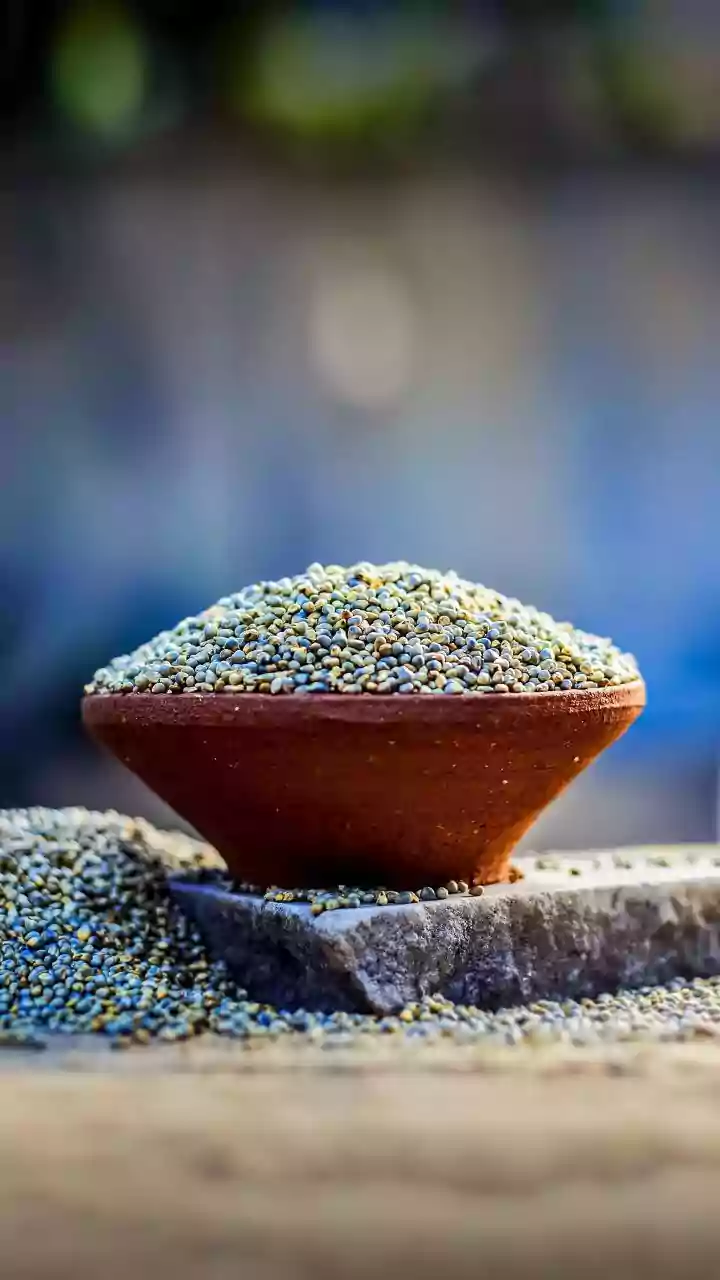
offer more nutrition without sacrificing taste. Millets like jowar (sorghum), ragi (finger millet), and bajra (pearl millet) fit this need perfectly. These grains, once staples in Indian households for centuries, are being rediscovered for their impressive nutritional profiles. They are packed with fibre, essential minerals, and are often naturally gluten-free, making them gentler on the digestive system. When these nutrient-dense flours are used in a sourdough, the benefits are amplified. The slow fermentation process of sourdough baking not only creates a wonderfully tangy flavour but also breaks down compounds in the grains, making nutrients like iron and magnesium easier for the body to absorb.
A Nutritional Powerhouse in Every Slice
Different millets bring their own unique advantages to the baker's table. Ragi, for instance, is celebrated for its high calcium content, making it excellent for bone health. Jowar is loaded with antioxidants and fibre, which can help manage cholesterol and is great for heart health. Bajra is a fantastic source of iron, helping to combat fatigue and boost energy levels. The artisan bakers at the forefront of this trend are skilfully blending these millets to create loaves that are not just wholesome but also complex in flavour. For many consumers, choosing a millet sourdough isn't just a dietary choice; it's a proactive step towards better health, moving away from mass-produced breads that can be high in preservatives and refined flour.
The Rise of the Artisan Baker
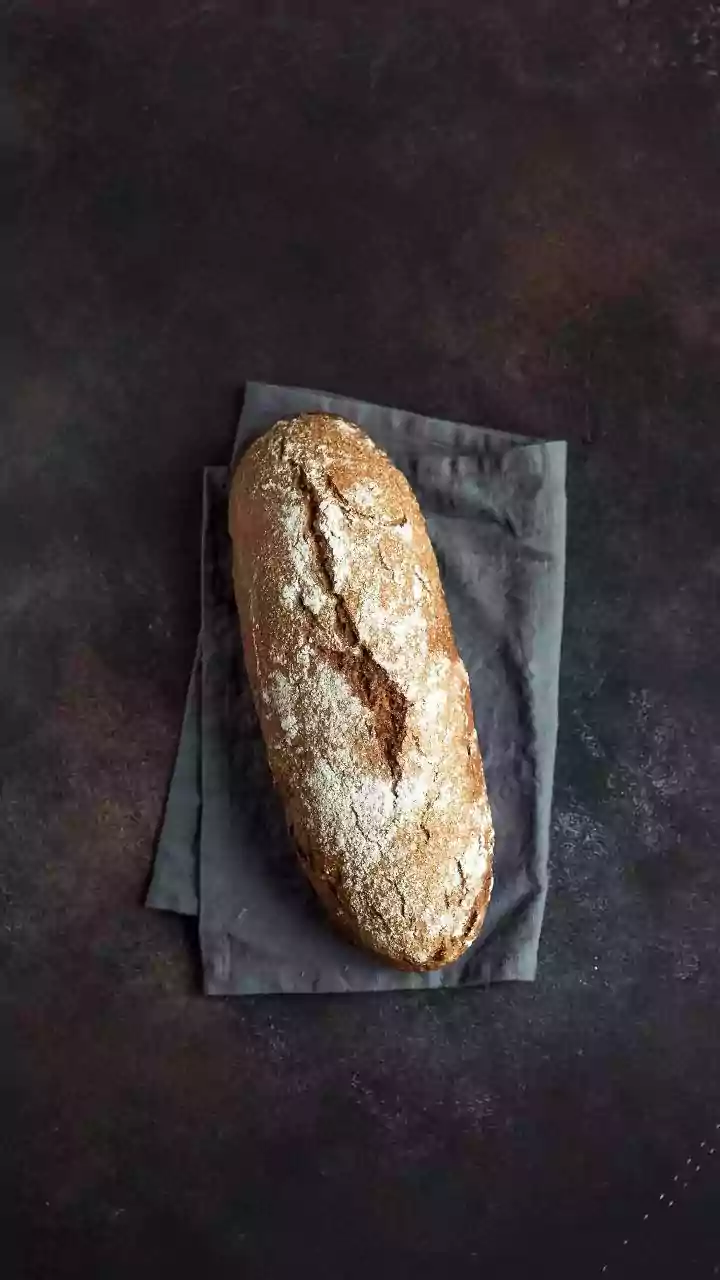
This trend wouldn't be possible without the explosion of artisanal bakeries in cities across India. A decade ago, bread options were largely limited to pre-packaged white and brown loaves. Today, small, independent bakers are driving a bread revolution. These micro-bakeries, often started by passionate individuals with formal training, are dedicated to using high-quality, local ingredients and traditional techniques. They have the flexibility to experiment with heritage grains like millets, creating everything from ragi sourdough boules to jowar focaccias. Bakeries like Loafer & Co in Bengaluru and Earthy Grains in Noida have built loyal followings by offering products that are fresh, preservative-free, and rooted in Indian agricultural heritage. They are also educating a new generation of consumers about the benefits of slow-fermented, whole-grain breads.
A Return to Indian Roots
The demand for millet-based breads is also part of a larger cultural shift. There is a growing appreciation for 'eating local' and reviving foods that were central to Indian diets before the Green Revolution prioritized high-yield wheat and rice. This movement is about reconnecting with ancestral food wisdom and celebrating the country's rich biodiversity. Millets were once looked down upon as “coarse grains,” but are now being rebranded as superfoods that are both nutritious and sustainable, as they typically require less water to grow than wheat. By incorporating them into a globally popular format like sourdough, bakers are making these ancient grains modern and aspirational. This fusion of a global technique with local ingredients strikes a chord with urban Indians who are looking for authenticity and wellness in their food choices.