






The Big Picture: More Swipes, Smaller Amounts
Recent data reveals a fascinating shift in consumer behaviour. In July 2026, the number of credit card transactions shot up by over 24% compared to the previous year, reaching 601 million. However, the total value of these transactions only grew by a modest
7.4% to ₹2.08 lakh crore. This mismatch caused the average ticket size per swipe to drop significantly by 13.5% to just ₹3,460. This isn't a one-off event; it signals a fundamental change in how we perceive and use credit cards. The era of reserving plastic for just big-ticket purchases like electronics or holidays seems to be fading. Instead, credit cards are becoming a tool for everyday life.
The Small-Ticket Revolution
The primary driver behind this trend is the increasing use of credit cards for small, daily expenses. Think about your last trip to the grocery store, your morning coffee, or the food you ordered online. A few years ago, these were prime territories for cash or debit cards. Today, more and more consumers are swiping their credit cards for these routine purchases. This shift dramatically increases the sheer volume of transactions. While each individual payment is small, they add up, pushing the total spending figure upwards while simultaneously pulling the average transaction value down. It's a classic case of volume over value, reflecting a deeper integration of credit into our daily financial habits.
Credit on UPI: The Game Changer
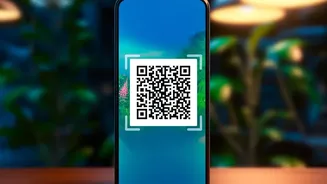
The integration of credit cards, particularly RuPay, with the Unified Payments Interface (UPI) has been a significant catalyst. UPI has already revolutionized digital payments in India, making millions comfortable with scanning QR codes for everything. Now, by linking a credit line to this familiar interface, banks are tapping into a pre-existing habit. Consumers can now pay with credit at countless small merchants who may not have a traditional card swipe machine but universally accept UPI. This convenience removes a major barrier, turning every QR-enabled vendor into a potential point of credit card sale and encouraging smaller, more frequent credit-based payments.
The Powerful Lure of Rewards
Banks and fintech companies have become incredibly sophisticated in incentivizing card usage. Aggressive reward programs, co-branded cards with popular e-commerce sites, and instant cashback offers are designed to make you choose credit over other payment methods. These programs reward consistency. Whether you're buying a flight ticket or a packet of chips, every swipe contributes to your points tally, air miles, or cashback rewards. This gamification of spending encourages users to consolidate all their purchases, big and small, onto a single card to maximize benefits. The psychological pull of 'earning' something back on every spend is a powerful motivator driving this high-frequency, low-value transaction trend.
A New Definition of Convenience
Ultimately, this trend signifies a behavioural shift where convenience and rewards are prized above all else. Credit cards are no longer just a tool for deferred payment but have become a central part of modern financial management. They offer a seamless payment experience, detailed spending trackers, and a short-term credit facility, all in one package. The decline in debit card usage for purchases further highlights this shift; while debit cards are still heavily used for ATM withdrawals, credit cards are winning the battle at the point of sale, both online and offline. This transition from a borrowing instrument to a lifestyle tool is at the heart of why total spending can soar even as average bills shrink.