



The Economic Engine
For millions living in the satellite towns and peripheral colonies of cities like Delhi, Mumbai, and Bengaluru, the day begins long before the sun is high. The destination is an office or a factory, often dozens of kilometres away. The vehicle of choice?
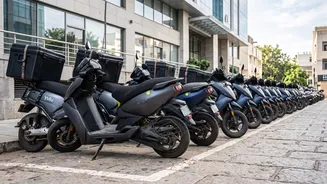
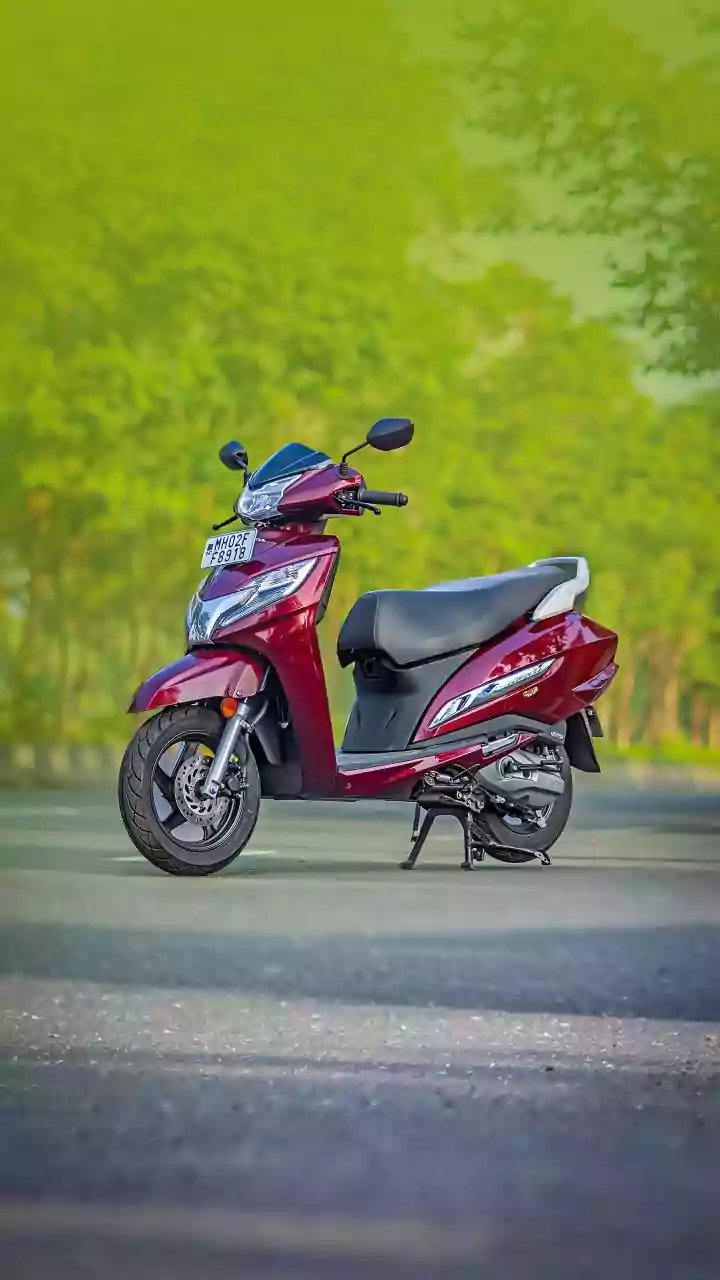
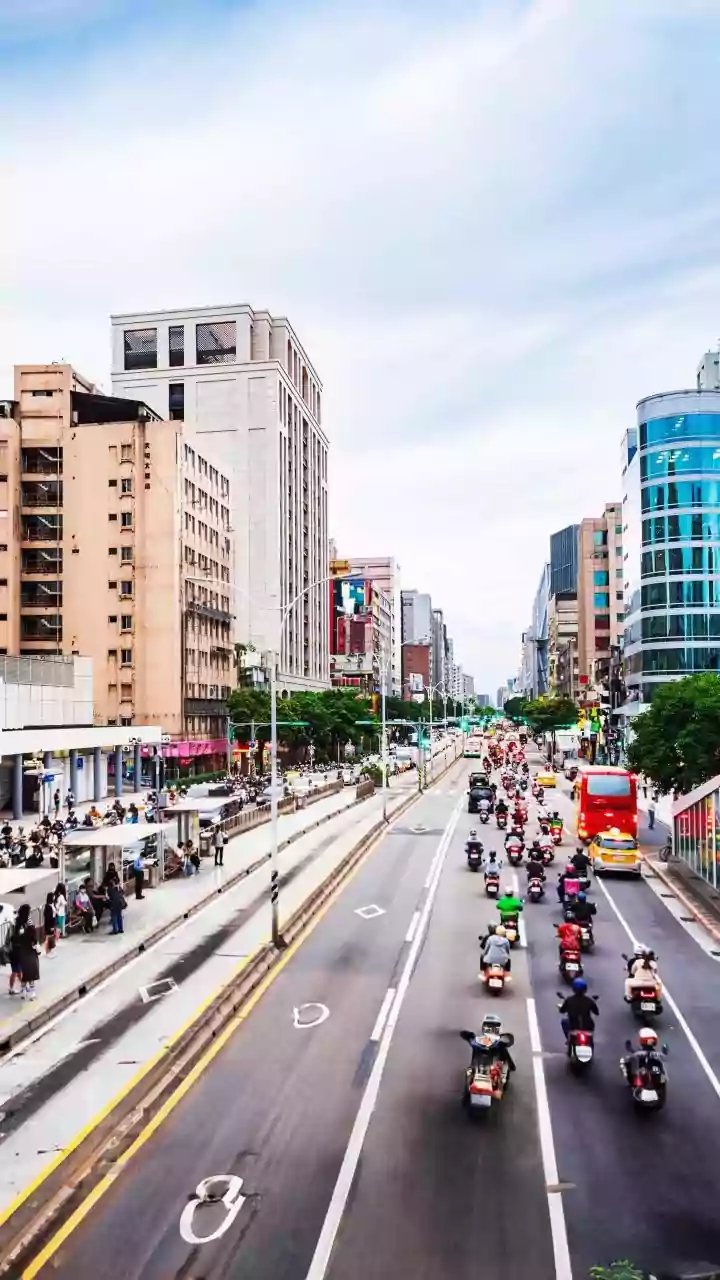
Overwhelmingly, it's a motorcycle or a scooter. Recent data from India’s first National Household Travel Survey highlights this trend, revealing that over 52% of urban workers who travel to a fixed workplace use a two-wheeler. This isn't a lifestyle choice; it's a stark economic calculation. With the average urban commuter spending over ₹1,000 monthly on travel, the affordability of a two-wheeler is unmatched. Compared to the high cost of car ownership and the often-unreliable frequency of public transport, a fuel-efficient bike offers a blend of low running costs and personal control that is simply unbeatable. It represents the most practical solution for a workforce that needs to be mobile to be employed.
Bridging The Infrastructure Gap
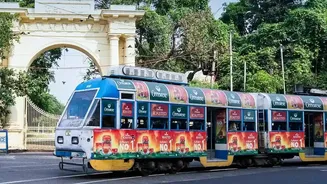
India has invested heavily in metro rail networks, with over 1,000 km of lines now operational. Yet, ridership in many cities remains below projections. The reason often lies in the 'first and last mile'—the distance from home to the station and from the station to the office. This is where the two-wheeler plays its most critical role. Public transport systems, for all their benefits, cannot offer door-to-door connectivity. For a commuter living in a distant suburb, driving their bike to the nearest metro station, parking it, and then completing their journey is a common and practical strategy. It solves the problem of infrequent or non-existent feeder bus services and expensive auto-rickshaw rides. The two-wheeler acts as a personal feeder service, making the entire public transport network accessible and viable for a much larger population.
A Daily Gauntlet of Risk
This reliance, however, comes at a significant cost to personal safety and well-being. The daily ride is a gauntlet of poor road infrastructure, chaotic traffic, and extreme pollution. Pothole-ridden roads, especially during monsoons, pose a constant threat, leading to accidents and vehicle damage. Riders are directly exposed to toxic fumes and the physical strain of navigating congested arteries for hours each day. Tragically, data shows that riders of two-wheelers account for a disproportionately high number of road accident fatalities in the country, a grim statistic highlighting the vulnerability of these commuters. The lack of dedicated two-wheeler lanes and the general disregard for traffic discipline turn every commute into a high-stakes journey.
An Engine of Aspiration
Beyond its utility, the two-wheeler is a powerful symbol of economic aspiration and independence. For many lower and middle-income families, purchasing a motorcycle is a significant milestone, often the first major asset they own. It is the tool that unlocks access to better-paying jobs in urban centres, which would otherwise be geographically out of reach. This mobility directly translates into improved livelihoods and supports family welfare. In the burgeoning gig economy, the two-wheeler has transformed from a commuting tool into an income-generating asset for delivery partners and other service providers. It is, in essence, a ticket to participate more fully in the modern Indian economy, providing a sense of freedom and control over one's destiny that fixed public transport schedules cannot offer.