

Nature's Perfect Formula
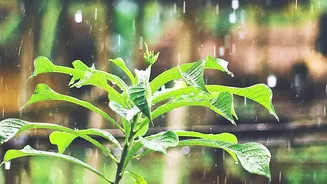
Rainwater is essentially nature's distilled water—soft, pure, and free from the chemicals found in municipal tap water. Tap water is often treated with chlorine to make it safe for consumption, but this chemical can be harsh on plants. Over time, chemicals and salts
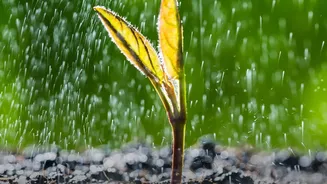
from hard tap water can build up in the soil, potentially harming sensitive plants. Rain, in contrast, is naturally soft and helps flush away these accumulated salts from the soil, giving the roots a fresh start. This purity means plants can absorb water without also taking in substances that might inhibit their growth.
A Boost of Acidity and Nitrogen
One of the most significant advantages of rainwater is its chemical composition. It is naturally slightly acidic, typically with a pH between 5.5 and 6.5. Most plants thrive in this slightly acidic environment because it helps them absorb essential soil nutrients more effectively. Furthermore, rainwater provides a free, gentle dose of fertilizer. As raindrops fall, they absorb nitrogen from the atmosphere. During thunderstorms, lightning can fix atmospheric nitrogen, converting it into nitrates that dissolve in the rain. This nitrogen-rich water is then readily available for plants to absorb, promoting the lush, green foliage we see after a good shower.
The Primary Monsoon Danger: Overwatering
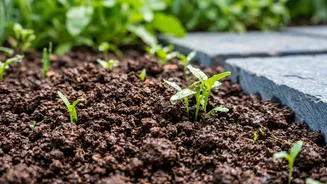
While rain is beneficial, the constant moisture of the monsoon season brings the significant risk of overwatering. With high humidity and less sunlight, soil dries out much more slowly. When roots sit in waterlogged soil, they are deprived of oxygen, which can lead to root rot. The signs of overwatering can be deceptive, often mimicking the look of an underwatered plant, such as wilting and yellowing leaves. However, if a plant is overwatered, its leaves will feel soft and limp, not dry and crispy. The base of the stem might feel mushy, and the soil may have a rotten smell.
When Manual Watering is Still Necessary
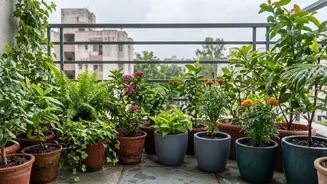
Despite frequent rains, you can't abandon your watering can entirely. Plants on covered balconies, under large eaves, or indoors won't receive any rainwater and will still depend on you. Even for outdoor plants, it's crucial to check the soil instead of assuming the rain has done the job. A light shower might only wet the top layer of soil, leaving the roots dry. The best practice during the monsoon is the 'finger test': poke your finger about two inches into the soil. If it feels dry at that depth, it's time to water. If it's moist, hold off. When you do water, aim for the base of the plant to keep the leaves dry, which helps prevent fungal diseases.
Essential Monsoon Plant Care
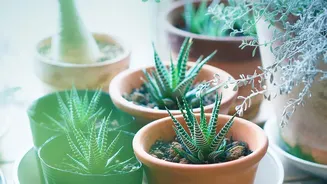
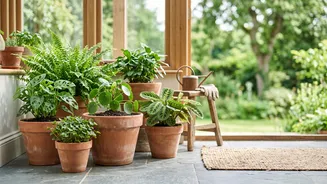
To ensure your plants thrive, a few adjustments to your routine are necessary. First, prioritize drainage. Make sure all your pots have drainage holes and consider using a well-draining potting mix containing cocopeat or sand to prevent water stagnation. Terracotta pots can also help by wicking away excess moisture. Second, ensure good air circulation by leaving adequate space between plants; this helps leaves dry faster and reduces the risk of fungal infections. Finally, be vigilant about pests and diseases, which flourish in damp conditions. Regularly inspect your plants for signs of trouble like spots on leaves or powdery mildew, and apply a preventive spray of neem oil if needed.