


The Disappearing Jewel of the Solar System
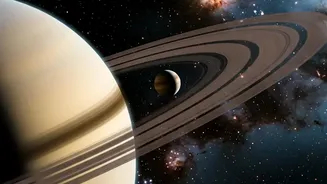
The idea that Saturn's rings are temporary isn't new, but our understanding of the timeline has sharpened dramatically. Data from NASA missions, including Voyager and the Cassini probe which ended its mission in 2017, confirmed that the rings are raining
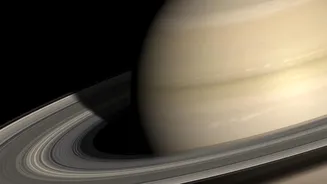
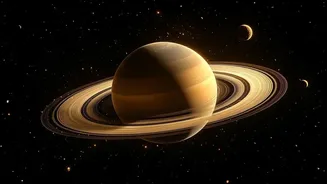
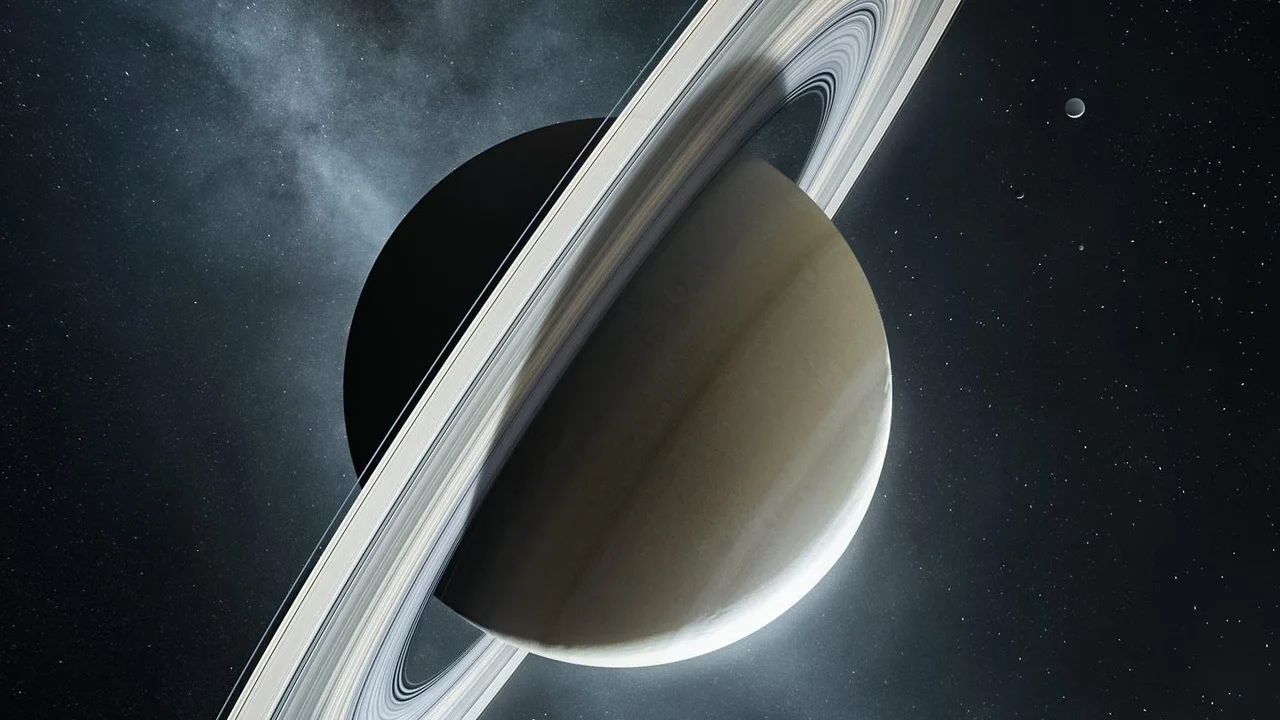
down onto the planet. This isn't a gentle shower; it's a relentless torrent of ice and dust. Particles from the rings, which are made of almost 99% pure water ice, are pulled inward by Saturn's immense gravity and magnetic field. This phenomenon, dubbed 'ring rain,' is actively draining the material that makes the rings so spectacular. Scientists estimate that an amount of water equivalent to an Olympic-sized swimming pool is lost from the rings every half an hour.
How Fast Are the Rings Fading?
Initial estimates based on this 'ring rain' suggested the entire system could be gone in about 300 million years. However, further analysis of data from Cassini's final orbits, where the spacecraft dived between the planet and its rings, revealed an even more dramatic picture. Material was also found to be falling directly into Saturn's equator, accelerating the loss. Combining these two effects, NASA scientists have put forward a 'worst-case-scenario' timeline: the rings may have less than 100 million years left to live. While this sounds like an eternity in human terms, it's a fleeting moment compared to Saturn's age of over 4.5 billion years.
A Relatively New Cosmic Wonder
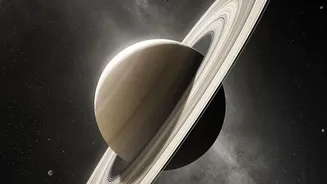
The rapid disappearance of the rings provides a crucial clue about their origin. If they were as old as Saturn itself, they would likely be far darker and more 'polluted' with cosmic dust. However, the rings are astonishingly clean. Recent studies analyzing the rate of micrometeoroid dust accumulation suggest the rings are no more than a few hundred million years old. This means they are a relatively recent addition to the solar system, possibly forming during the age of the dinosaurs on Earth. One leading theory suggests the rings were created when a large, icy moon got too close to Saturn and was torn apart by the planet's gravitational forces.
What to Watch for Next
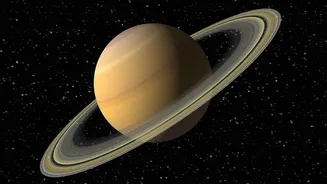
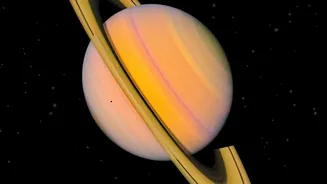
While the rings' ultimate demise is millions of years away, a different kind of disappearance is happening much sooner. In March 2025, the rings will seem to vanish from our view on Earth. This is a temporary illusion caused by a 'ring plane crossing,' an event that occurs every 13 to 15 years when Earth's perspective aligns perfectly with the edge of the incredibly thin rings, making them nearly invisible to most telescopes. The view will slowly return, and by 2032, the rings will be tilted for peak visibility from Earth. In the meantime, scientists will continue to analyze the wealth of data from Cassini and use ground-based telescopes to study how the 'ring rain' might vary with Saturn's seasons, which last over seven Earth years.